If you live in Pune, street food slowly becomes part of your routine without you realising it. It’s not something you plan for. You just end up eating it. Prior to college, post-work, evening strolls, or on those days when cooking seems to be too much work. Pune does not have loud or dramatic street food. It does not attempt to amaze you with spice or huge portions. Instead, it settles into your day quietly. This is, perhaps, the reason why it is so dear to locals.
The street food here is home, reliable, and closely related to life. If you really want to understand Pune, skip the fancy restaurant lists for a while and watch where people stop to eat on the street.
What Street Food Feels Like in Pune
What you soon realise is that comfort is the foundation of street food in Pune. The food is meant to fill you up without slowing you down too much. It’s light, usually vegetarian, and easy to eat standing up or while chatting.
You’ll find stalls almost everywhere, especially near:
- Colleges and hostels
- Markets and busy chowks
- Temples and residential lanes
- Office areas
Over time, these stalls become part of people’s routines. Vendors recognise regular customers. Orders don’t need explaining. That relationship is a big part of why Pune’s street food scene feels personal rather than commercial.
Foods That Feel Like Pune
Some foods are so common that you stop thinking of them as “special”. They’re just part of life here.
Misal Pav
Misal pav is everywhere, and for good reason. It is wholesome, tasty, and somehow suitable at any time of the day. A Pune-style misal is generally less spicy compared to Kolhapuri misal, which is more palatable to the colder Pune taste. People argue about where the best misal is, but most locals quietly stick to their favourite stall and don’t change it easily.
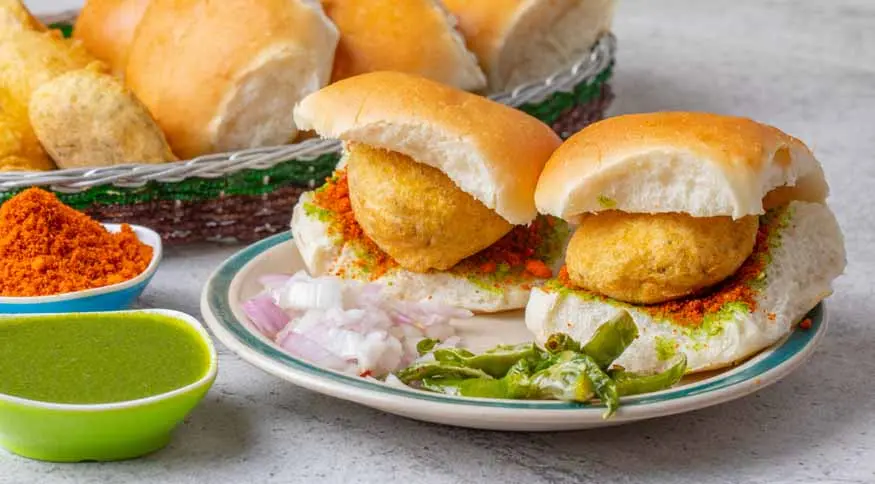
Vada Pav
Vada pav is probably the most dependable snack in Pune. You know exactly what you’re getting. Hot potato vada, soft pav, chutneys that always have the same flavour. It is not exciting, and this is the very reason people like it. For many, vada pav is less about hunger and more about habit.
Bhel Puri and Sev Puri
Evenings in Pune almost always involve chaat for someone. Bhel puri and sev puri are lighter than many North Indian versions, with more focus on tang and crunch than heavy sauces. People eat them slowly, talking more than eating, watching traffic or kids play nearby.
Poha
Poha in Pune isn’t just breakfast. It’s comfortable. It’s what people eat when they don’t want to think too much. Light, mildly spiced, with onions, lemon, and sev, it feels familiar even on the first bite. Most people have a “poha place” they trust completely.
Sabudana Vada
Sabudana vada carries emotion with it. It’s tied to fasting days, family rules, and festivals. Crispy outside, soft inside, it feels indulgent even though it’s simple. For many families, sabudana vada is linked to specific memories, not just taste.
Maharashtrian Flavours in Everyday Eating
Pune’s street food reflects a very Maharashtrian way of cooking. Seasonal ingredients, simple methods, and controlled spice are common themes.
You’ll often see:
- Bhaji pav on rainy evenings
- Thalipeeth at local stalls
- Kanda bhaji during monsoon
These foods aren’t meant to impress outsiders. They’re meant to be eaten often. Pune’s food culture values familiarity more than novelty.
Festivals and Street Food
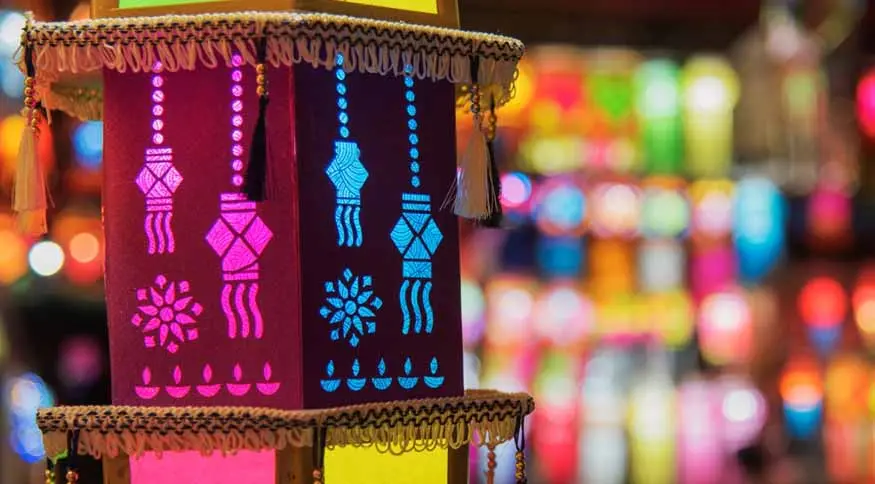
During festivals, Pune’s street food scene changes completely. Ganesh Chaturthi, Diwali, and local fairs bring out stalls everywhere. The air smells different. Menus get bigger. Sweets, snacks, and fried foods take over the streets.
Food during festivals is about sharing. Families buy extra. Neighbours exchange plates. Children remember these days mostly because of what they ate.
Students and Street Food Life
Pune’s student population keeps street food alive. Cheap, quick, and filling food is essential when you’re living away from home. Food stalls near colleges become meeting points. People don’t just eat there. They sit, talk, argue, laugh, and sometimes stay longer than planned. Many friendships in Pune have started over shared vada pavs and late-evening bhel.
Why Families Are Comfortable with Pune Street Food
Pune street food works for families because most snacks are:
- Vegetarian
- Mildly spiced
- Familiar
Parents usually stick to stalls they trust. Children grow up eating the same snacks their parents did, which creates a quiet continuity. Street food outings also teach kids something simple but important. This is how your city eats.
Eating Street Food Sensibly
Everyone knows street food needs common sense. In Pune, people naturally gravitate towards stalls that are busy, clean, and quick-moving.
Families usually choose:
- Stalls with regular crowds
- Freshly prepared food
- Simple items over experimental ones
Introducing children slowly and choosing wisely keeps the experience positive.
Food as Culture, Not Trend
Pune’s street food isn’t driven by trends. It changes slowly. That’s why it lasts. Each snack carries habits, climate, and lifestyle within it. When children learn about local food, they learn about where they live without needing a lesson.
Why Cultural Learning Matters
Culture isn’t always taught. Sometimes it’s eaten. Understanding local food builds awareness, respect, and belonging. It shows children that culture exists in everyday choices. Schools that encourage cultural exposure help students grow into grounded individuals.
How EuroSchool Supports Cultural Awareness
EuroSchool believes education includes understanding one’s surroundings. Through experiential learning, activities, and exposure to local traditions, students develop cultural awareness alongside academics. With CBSE and ICSE-aligned curricula, modern infrastructure, and focus on values and life skills, EuroSchool prepares learners for the world while keeping them rooted.
Pune’s street food doesn’t shout for attention. It waits for you to notice it. From early-morning poha to evening bhel, these foods quietly shape daily life. If you want to understand Pune the way locals do, don’t ask for recommendations. Watch where people stop to eat. That will tell you everything.
Visit https://www.euroschoolindia.com/ to explore curriculum, campuses, and admissions.