There is something quietly comforting about a family picnic. A mat spread under a tree. Steel tiffin boxes opened one by one. Someone forgetting the spoons and laughing about it. Children straying after butterflies and having to be called back before they go far.
In a city like Pune, these small moments are easy to create. Thanks to its gentle weather for much of the year and its closeness to hills, lakes, and open gardens, Pune makes spontaneous outdoor plans possible. You do not need weeks of preparation or a long drive. Often, just a short outing is enough to clear everyone’s head and bring back a lighter mood. At its core, a picnic is rarely about the location. It is about slowing down together.
Why Pune Works So Well for Picnics
One of Pune’s strengths is how quickly you can reach nature. Within the city and just beyond it, green pockets and calm water bodies are never too far away.
For families, this means:
- Minimal travel fatigue
- Safe, open environments
- Easy half-day plans
- Space for children to move freely
Parents can sit without constantly checking the clock. Children have opportunities to run, create their games, and explore. Two or three hours out in the air can be astonishingly refreshing.
Pu La Deshpande Garden
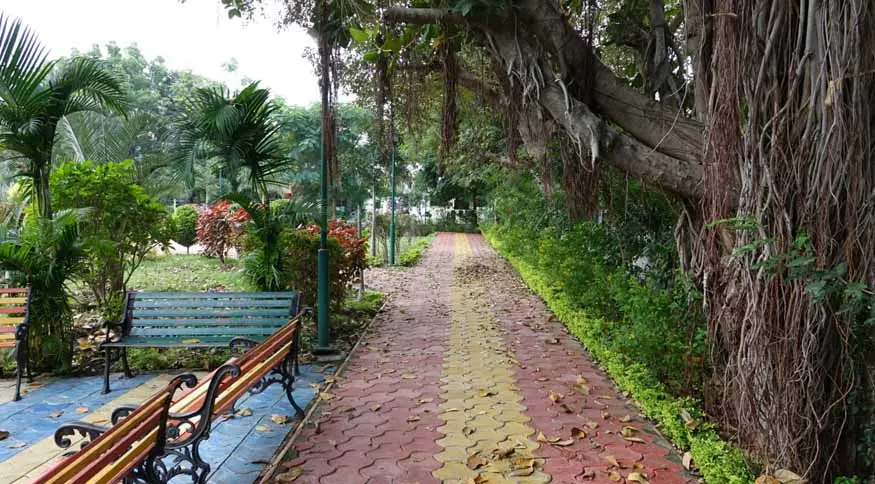
Pu La Deshpande Garden is considered one of the most peaceful areas of the city. Inspired by Japanese landscaping, it feels thoughtfully designed yet welcoming. Small bridges curve over water. There are lawns under shaded trees.
It is also not a loud area unlike other places; hence, it is better suited to families that like quieter places. Children enjoy walking along the paths and spotting details in the design. Parents often find themselves relaxing without even realising it.
Saras Baug
Saras Baug has been part of Pune’s family life for generations. Lawns and shaded areas are wide such that one can comfortably sit on a picnic mat.
A typical visit might include:
- A slow walk around the garden
- A quick game of catch
- Sitting near the temple in the centre
- Watching the sky change colour in the evening
It is not elaborate, and that simplicity is exactly why it continues to work so well.
Pashan Lake
For families who prefer quieter surroundings, Pashan Lake offers a different pace. Early mornings here are especially peaceful. The water reflects the sky, and birds move across the surface without hurry.
A picnic here often turns into observation time. Children may begin noticing birds, plants, or changes in the water level. Conversations tend to become curious rather than rushed. It feels less like an outing and more like a pause.
Khadakwasla Dam
Khadakwasla Dam remains a popular weekend escape. The open views of water and surrounding hills create a refreshing shift from city streets. Families usually stay for a few hours. Sitting near the water, sharing snacks, and feeling the breeze can be enough.
Children often remember the sense of openness more than anything else. As with any water body, supervision is important, but with care, the visit becomes a simple and memorable experience.
Sinhagad Fort
Sinhagad Fort offers something slightly more adventurous. The climb is manageable for most families, and the views from the top make the effort worthwhile.
Picnicking here combines rest with a bit of exploration. As children stare over the hills, parents tell them stories of what has happened in the past. The field trip is a combination of fun, education, and rest. It feels earned, which makes the meal taste even better.
Bund Garden
Bund Garden is perfect for shorter, easy picnics within the city. The open lawns and vegetation favour families having younger children who might not be willing to travel long distances.
A few hours here can include light games, snacks, and long conversations. There is no pressure to do anything specific. Sometimes, the simplest plans create the strongest memories.
Smaller Hills and Quiet Corners
Beyond the well-known spots, Pune has smaller hillocks and green patches that locals visit quietly. These places may not appear on tourist lists, but they often feel more personal. A short drive and a gentle walk can lead to open views and peaceful surroundings. For families seeking quiet rather than crowds, these hidden corners work beautifully.
Why Picnics Matter for Children
Picnics offer children something increasingly rare: unstructured time.
Outdoor outings support:
- Physical movement
- Curiosity about nature
- Stronger family conversations
- Emotional relaxation
Without screens or fixed schedules, children invent games, ask unexpected questions, and simply be present. Parents often notice how differently their children behave outdoors. There is less restlessness and more openness.
Keeping Picnics Safe and Pleasant
A little preparation helps. Families should:
- Choose clean and familiar locations
- Carry enough water and simple snacks
- Keep a close eye near slopes or water
- Leave the space as clean as they found it
Respecting the environment ensures these spots remain welcoming for others.
Outdoor Learning Beyond the Classroom
Time in nature quietly strengthens what children learn in school. The observation of plants, insects, landscapes, and water bodies is directly related to science and geography lessons. A chapter about ecosystems becomes clearer when a child has seen birds gather near a lake or noticed how soil changes near water.
Children understand things better when they face them in real life. They begin asking their own questions. Why do certain trees grow taller? Why does the air feel cooler near water? These moments of curiosity stay longer than memorised answers.
Outdoor experiences also build qualities that do not always appear on report cards. Patience develops while watching wildlife. Observation sharpens through small details. Confidence grows when children explore responsibly.
Why EuroSchool Encourages Experiential Learning
EuroSchool recognises that meaningful learning does not happen only inside classrooms. Outdoor activities, nature exposure, and experiential opportunities form part of a balanced approach to development. Academic concepts are then related to lived experiences to ensure the students understand and not merely memorise.
With CBSE and ICSE-aligned curricula and an emphasis on overall growth, the aim is to nurture confident, thoughtful learners. Academic strength is important, but so are communication skills, creativity, empathy, and resilience. EuroSchool provides learners with structured education and real-world experience, which will help them develop into curious individuals capable of dealing with the world around them.
If you are looking for a school that values outdoor learning and well-rounded development, you can explore more at: https://www.euroschoolindia.com/.