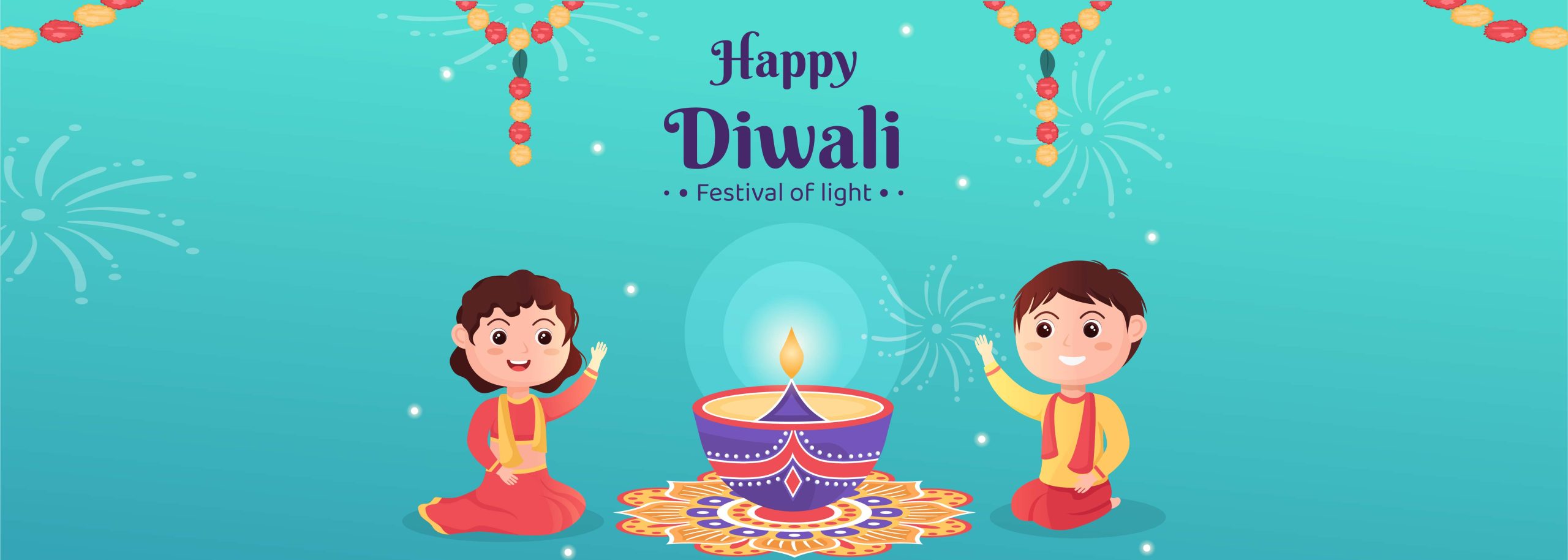
Diwali, also known as the Festival of Light, is one of the most celebrated and popular festivals in India. Its radiance expands past houses and hearts: it casts over values, culture, community, and hope. This article will discuss the significance of Diwali, the best ways to celebrate Diwali, contemporary celebrations of Diwali festivals, new Diwali celebrations, and advice on how to have an environmentally friendly Diwali.
Why Diwali Matters: The Importance of Diwali
Diwali is the triumph of light over darkness, knowledge over ignorance and good over evil. It is the triumph of Lord Rama back to Ayodhya after exile and the defeat of Ravana. Elsewhere in India, Diwali is also a festival devoted to Goddess Lakshmi, the goddess of wealth. Lakshmi Puja is done by people to bring good fortune to the family. And more than myth it teaches light within and oneness.
- Diwali crosses religious identities and connects communities.
- There is bonding between the family members and sharing of sweets and gifts.
- It strengthens artisans, crafts and trade economically.
- It is used in schools to instruct generosity, cooperation and heritage.
Due to these dimensions, the significance of Diwali is highly integrated into social, cultural and ethical life.
How to Celebrate Diwali (Traditionally & in Schools)
Traditional Practices:
- Cleaning & decorating homes with rangoli and lights.
- Lighting of diyas symbolizing triumph of light.
- Lakshmi Puja with offerings and prayers.
- Fireworks (though increasingly replaced with eco-friendly options).
- Sharing sweets, gifts, and wearing new clothes.
- Acts of charity and community service.
In Schools:
- Rangoli, diya decoration and art competition.
- Songs, dances and skits of the culture.
- Educational activities concerning the meaning of the festival.
- Charity drives and environment conscious activities.
Diwali Celebration Ideas
- Diyas/lamp decoration stations.
- Rangoli competitions with safe powders/flowers.
- Paper lantern and light-up corners.
- Cultural shows with songs, dances, and skits.
- Craft and gift stalls (school mela).
- Storytelling or roleplays of Diwali legends.
- Eco-friendly projects using recycled materials.
- Group lighting ceremonies with LED diyas.
- Charity drives or food donations.
How to Celebrate an Eco Friendly Diwali
- Use LED lamps instead of oil lamps indoors.
- Choose natural rangoli colours (flower petals, turmeric).
- Avoid or minimize firecrackers; use music/light alternatives.
- Recycle decorations and use sustainable materials.
- Gift eco-conscious items like plants or handmade crafts.
- Reduce food waste and conserve energy.
- Educate children about sustainability and respect for nature.
Conclusion
Diwali is not about lights and sweets but about the renewal, values and unity. Learning about the meaning of Diwali allows us to relate emotionally and spiritually. The traditions of Diwali are an important part of life because of knowing how to observe Diwali at homes, schools, and communities. Being innovative and adopting green practices, we can make sure that the Festival of Lights keeps shining bright and in a responsible, and happy fashion.
At EuroSchool, we consider it as an opportunity to make the festivals a place of growth, learning and happiness. This Diwali, have your child enjoy fun activities in creativity and culture that ignite the imagination and values.