If you grow up in or around Pune, forts don’t feel like distant history lessons. They feel familiar. Weekend plans, school trips, early-morning treks, stories told by elders, all seem to circle back to them. Long before Pune became known for education or modern living, it was shaped by the Marathas and the forts that protected their vision.
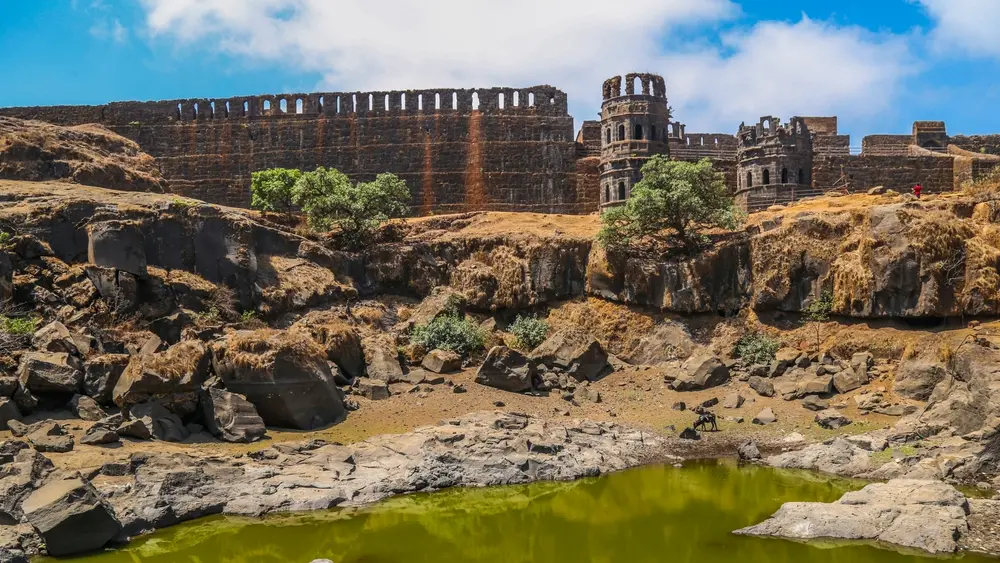
Surrounded by the Sahyadri ranges, Pune is dotted with forts that once controlled land, trade routes, and military movement. But when you visit them today, what stays with you isn’t just the architecture or the views. It’s the feeling that real decisions were made here, under pressure, with consequences that shaped history. Exploring Pune’s forts is less about sightseeing and more about understanding where the city comes from.
Why Forts Matter So Much Around Pune
Pune was surrounded by most of the forts which were constructed or reinforced under the rule of Chhatrapati Shivaji Maharaj. They were not just arbitrary structures. Each fort served a role be it defence, administration or control of important roads.
The fact that these forts were strategically designed is what makes them impressive even now. They reflect:
- A sharp understanding of geography
- Smart use of natural terrain
- Leadership that valued preparation and resilience
For children especially, forts make history easier to understand. Standing on a fort wall explains strategy far better than a paragraph in a textbook.
Sinhagad Fort: Where Stories Feel Real
The Sinhagad fort is by far the first fort that people visit and with reason. It’s close enough to Pune, not too difficult to climb, and deeply tied to one of the most powerful stories in Maratha history. The fort is also well associated with the mythical warfare directed by Tanaji Malusare. His account of courage and selflessness is one that students can remember even after the visit. Standing at the fort makes that story feel real rather than distant.
Families like Sinhagad because it offers a mix of things in one visit:
- Walking and light trekking
- Wide views of Pune and the hills
- Small monuments that quietly tell their own stories
It’s common to see parents turning a simple hike into a history lesson without it feeling forced.
Rajgad Fort: Understanding Power and Planning
Rajgad Fort feels very different from Sinhagad. Bigger, noisier, and more dispersed, Rajgad was formerly the site of the capital of the Maratha Empire, and it reflects. A walk through the Rajgad provides the visitor with some understanding of how governance and defence collaborated. The fort complex encompasses palaces, water reservoirs and temples that are an indication of highly developed planning during that time.
For students, Rajgad often feels like an open-air classroom. It helps them understand not just battles, but:
- Administration and governance
- Daily life during the Maratha era
- Long-term planning and leadership
The scale of Rajgad leaves a strong impression, especially on first-time visitors.
Torna Fort: Where It All Began
Prachandagad or Torna Fort does not receive enough mention, in regard to its significance. It became the first fort that was conquered by Shivaji Maharaj and it was at that time the Maharaj started the Maratha Empire. Torna Fort is a major attraction to trekking enthusiasts located near Pune. It is not as easy as other forts to climb, but the history makes the experience more meaningful. For families with older children, Torna becomes a place to talk about beginnings, ambition, and the courage it takes to challenge established power.
Purandar Fort: More Than Just Battles
Purandar Fort is commonly recalled as the one which was instrumental in treaty and negotiation besides war. This renders it a valuable fort to those who desire to learn history not only about fighting. Purandar shows how strategy isn’t always about strength. Sometimes, it’s about timing, compromise, and understanding power dynamics. The visit to this fort makes the students aware that history is less about courage and more about diplomacy.
Lohgad and Visapur: Easy, Scenic, and Educational
Lohgad Fort and Visapur Fort are favourites for family outings. They’re easier to reach and less intimidating for first-time visitors.
These forts work well because:
- The treks are manageable
- The views are rewarding
- Learning happens naturally, without pressure
Children tend to enjoy these visits because they feel like exploration rather than instruction.
Why Fort Visits Work So Well for Families
There’s something about forts that makes learning feel effortless. Kids walk, climb, ask questions, and imagine. Parents get the chance to share stories and context without sitting anyone down.
Fort visits help children:
- Link history to real locations
- Build physical confidence
- Develop curiosity about the past
These are lessons that stay longer than memorised answers.
Keeping Maratha History Alive
The forts around Pune are living reminders of Maratha legacy. Preservation efforts, heritage walks, and guided tours play an important role in keeping these sites relevant. Educational visits organised by schools and families help ensure that the stories associated with these forts continue to be passed down rather than forgotten.
Why Experiential History Matters
Children can get a better understanding of history when they can see and touch what they read. Field trips to forts assist students to comprehend timelines, geography and human decision-making process in a practical manner.
These experiences encourage:
- Critical thinking
- Respect for heritage
- A deeper sense of identity
The Role of Schools in Heritage Learning
Schools that encourage field trips and outdoor learning give students a chance to see history as something lived, not memorised. Heritage exploration fills the gaps that classrooms can’t always reach.
How EuroSchool Encourages Learning Beyond Textbooks
EuroSchool believes learning should be experienced, not just explained. Through field trips, cultural studies, and experiential learning, students are encouraged to connect academic concepts with the real world. With CBSE and ICSE-aligned curricula, modern infrastructure, and a focus on holistic development, EuroSchool supports learning that stays with students beyond exams.
Pune’s forts are not silent ruins. They speak, if you’re willing to listen. They tell stories of courage, planning, mistakes, and vision. For families and students, exploring these forts isn’t just about the past. It’s about understanding leadership, resilience, and where Pune’s identity truly comes from. Visit https://www.euroschoolindia.com/ to explore curriculum, campuses, and admissions.