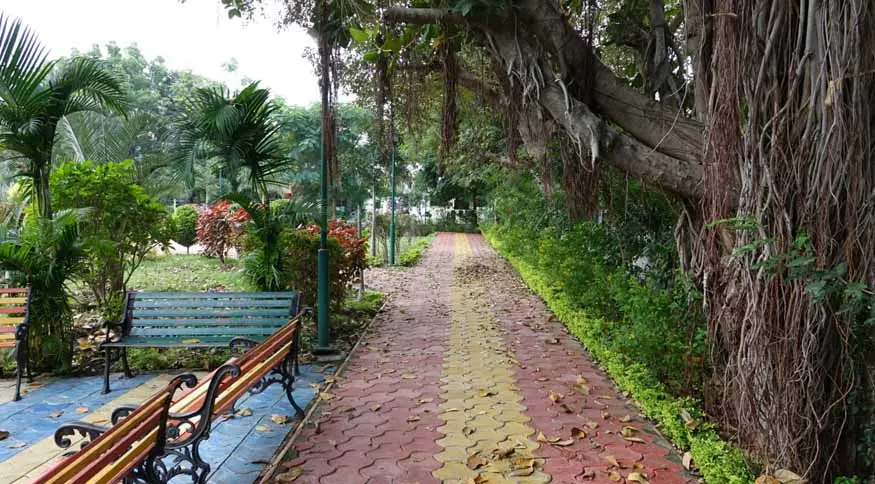
One of the first things families notice about Pune is that it still feels open. Although the city has expanded, it has been able to preserve its gardens, lakesides, tree-lined roads and park areas within its neighbourhoods. That is more than it might appear on the surface to parents who raise children here.
Whenever individuals consider parks in Pune, they are not merely searching about swings and benches. They are hoping for safe spaces where children can run without worry, meet friends after school, and simply burn off energy. They want walking paths for grandparents, quiet corners for conversation, and greenery that softens the edges of city life. This type of balance is natural, as opposed to being imposed, in most areas of Pune.
Why Green Spaces Matter for Families
Children should not be raised in an environment where all they see are walls and screens. Parks provide them with space to move, experiment and imagine. Climbing a low wall, racing across a field, balancing along a path, these small actions quietly build strength and coordination. They also build confidence.
Spending time outdoors supports:
- Emotional balance
- Social interaction
- Better sleep routines
- Reduced screen dependence
Evening walks often turn into family conversations. Visits during the weekends become routines. These basic habits have the power to create a child-rearing experience, albeit indirectly, by influencing childhood in the most minor, yet significant manner.
Pune’s Focus on Open Spaces
The architecture of Pune indicates centuries-old interest in plants. Several neighbourhoods have community parks in easy reach. The city is dotted with larger public gardens so that families can now incorporate outdoor time in their daily life instead of just using it as a special outing. This combination of residential convenience and nearby recreational gardens is among the reasons why families refer to Pune as comfortable and liveable.
Pu La Deshpande Garden
The Japanese Garden, as it is often referred to, is a landscaped area that welcomes the visitor to take his or her time. Curved bridges, waters, and perfectly sculpted vegetation make the environment peaceful. Young children like to pass through the little bridges and see fishes glide below. Parents like the peace that closes almost instantly. It is not a loud or too full of people place and this makes it perfect when relaxing in the mornings.
It suits:
- Short family walks
- Quiet weekends
- Photography
- Introducing children to different garden styles
Sometimes the best outings are the simplest ones.
Saras Baug
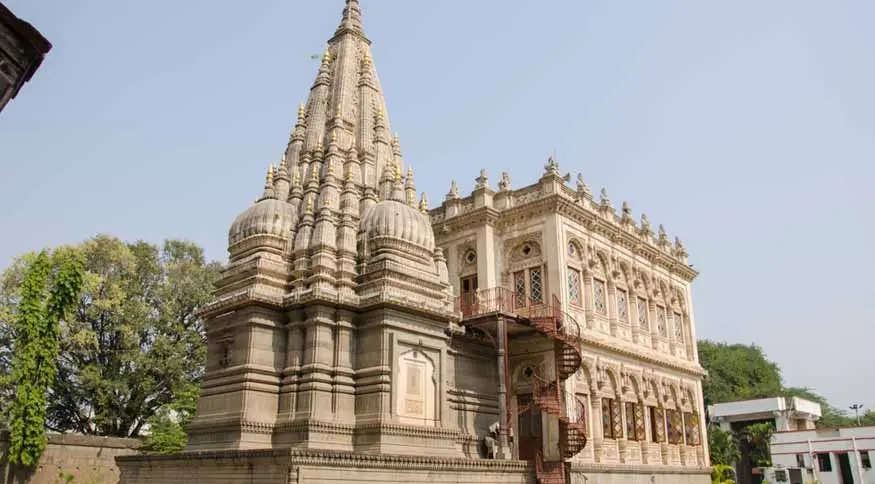
Saras Baug is still one of the most recognizable family areas in Pune. It has wide lawns and walking paths, and the centre has a welcoming temple. Older family members walk at their own pace as children play freely. The open design provides the opportunity to all people to locate an adaptable pace.
It works well for:
- Evening strolls
- Casual meet-ups
- Informal playtime
- Quick weekend breaks
Many families return here regularly. Over time, it becomes part of their routine.
Pashan Lake
Pashan Lake provides breathing room, within the city, to those who like calmer environments. Green belt and walking trails surrounding the lake provide a soft barrier against the traffic and noise. Here children are apt to become curious about birds and plants. Parents can use the moment to talk about nature in simple, practical ways. Early morning is particularly cool, and it is light over the water and people are walking slowly along.
Bund Garden
Bund Garden remains to be a relaxed meeting point. It is close to the river and has open space, which is good during picnics, relaxed walks, and impromptu gatherings. Children are moving freely and adults are enjoying the setting on the riverside. One is not coerced to adhere to a schedule. Families usually visit just to relax, chat, and have a taste of air.
Neighbourhood Parks and Community Spaces
Beyond the well-known destinations, smaller neighbourhood parks quietly shape daily life. Such local spaces might not be visible on the city guide, but they can be the most significant to the locals.
Regular visits help children:
- Build friendships
- Develop independence in safe settings
- Stay physically active
- Feel connected to their community
Parents exchange conversations while children play nearby. Over time, these parks feel like extensions of home.
How Parks Support Child Development
Outdoor play strengthens more than muscles. It improves coordination, balance, and stamina. When children run, climb, or cycle, they learn to understand their physical limits. Playgrounds also teach social skills. Waiting for a turn, joining a group game, or resolving a small disagreement builds patience and empathy. These lessons unfold naturally without formal instruction.
Unstructured play fuels imagination. A patch of grass becomes a cricket field, a stage, or a story setting. Without strict rules, creativity flows more freely. Time in green surroundings supports emotional wellbeing as well. Many parents notice that children return home calmer and more focused after spending time outdoors.
Why Greenery Makes Pune Ideal for Families
Access to parks shapes everyday habits. Cleaner air, shaded pathways, and accessible play areas encourage families to step outside more often.
Families build routines around:
- Morning walks
- Evening playtime
- Weekend picnics
- Outdoor celebrations
These routines become traditions. Children grow up associating evenings with movement and conversation. Grandparents remain active. Parents find moments to slow down. A city that makes outdoor living easy supports stronger family bonds.
The Role of Schools in Encouraging Outdoor Learning
Families introduce children to parks, but schools can deepen that connection. Nature walks, sports activities, and outdoor projects help students link classroom lessons to real experiences. When children plant trees or observe ecosystems firsthand, concepts become clearer. They also develop a sense of responsibility towards shared spaces. Early appreciation often leads to long-term respect for the environment.
Why EuroSchool Encourages Balanced Growth
EuroSchool recognises that education extends beyond textbooks. Alongside academics, students are encouraged to participate in sports, collaborative activities, and experiential learning opportunities. With CBSE and ICSE-aligned curricula, modern facilities, and attention to physical, emotional, and intellectual growth, the focus remains on raising well-rounded individuals.
If you are exploring schools that value both academic strength and healthy outdoor engagement, you can learn more at: https://www.euroschoolindia.com/.