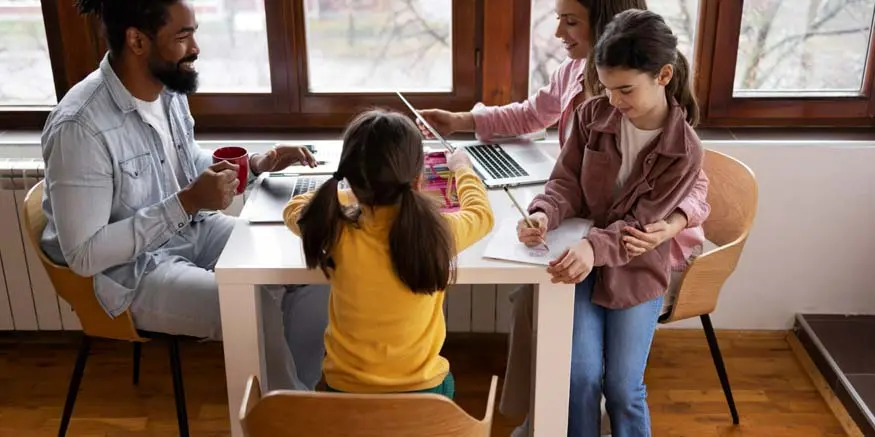
Education works best when schools and families support each other. Teachers spend many hours each day guiding students in classrooms, while parents shape learning, values, and behaviour at home. When these two sides work together, children benefit in powerful ways.
One of the most effective ways to build this connection is through Parent-Teacher Meetings, often known as PTMs, which build understanding and trust. PTMs provide an opportunity to parents and teachers to discuss the progress of a child, his/her strengths, challenges, and development in general. They enable two-sided exchange of information which is not possible in report cards alone.
Now more than ever, in our busy and rapidly changing world, such meetings are needed since children are under academic pressure, emotional stress and are distracted by digital media and social life more than ever. PTMs are not just about marks or exams. They focus on how a child learns, behaves, and grows, which helps create a fuller picture of the student.
What Is a Parent-Teacher Meeting (PTM)?
The PTM full form is Parent-Teacher Meeting. It refers to a formal meeting between parents and teachers, which revolves around the school life of a child.
PTMs are held to:
- Review a student’s academic performance: Teachers explain how the student is doing in different subjects.
- Discuss behavioural patterns and classroom engagement: Parents learn how their child behaves and participates in school.
- Understand learning strengths and areas of improvement: Teachers point out what a student does well and where help is needed.
- Align home and school efforts: Parents and teachers agree on how to support the child together.
These meetings help create a shared understanding of a student’s learning journey.
Also Read: National Education Policy 2025: What’s New, Structure, and Curriculum Explained
Why Parent-Teacher Meetings Are Important
1. Builds Strong School-Parent Partnership
PTMs help parents and teachers develop a strong working relationship. When communication is clear and respectful:
- Trust grows between both sides
- Misunderstandings are reduced
- Parents feel more involved in education
When parents and teachers work together, children receive consistent guidance both at home and at school.
2. Helps Parents Understand Their Child’s Progress
Marks and grades only tell part of the story. PTMs allow teachers to explain what those numbers really mean.
Teachers share information about:
- Classroom participation
- Learning habits
- Understanding of concepts
- Social interaction with peers
This helps parents know how their child is really doing and how they can help at home.
3. Early Identification of Learning Challenges
One of the biggest benefits of PTMs is early support. Teachers can notice issues before they become serious.
They may identify:
- Learning gaps
- Attention difficulties
- Behavioural concerns
- Emotional or social struggles
When problems are noticed early, parents and teachers can work together to help the child improve.
Also Read: Importance of Career Counselling in Schools
4. Encourages Consistent Learning at Home
PTMs help parents understand what happens in the classroom.
They learn about:
- Teaching methods used in school
- Expectations from students
- Ways to practise learning at home
When home routines support school learning, children progress more smoothly.
5. Supports Holistic Development
Education includes more than academic success. PTMs also discuss:
- Emotional well-being
- Behaviour and discipline
- Social skills
- Involvement in sports and activities
This ensures children develop in a balanced and healthy way.
Benefits of Parent-Teacher Meetings for Students
When parents and teachers stay in touch, students benefit in many ways.
They:
- Feel supported and cared for
- Gain confidence and motivation
- Develop better discipline
- Perform better academically and socially
Knowing that adults are working together helps students take learning more seriously.
How PTMs Help Teachers
PTMs also support teachers in their work.
They allow teachers to:
- Learn more about a student’s home environment
- Understand behaviour outside school
- Work with parents on improvement plans
This makes teaching more effective and personalised.
Role of Parents in Making PTMs Effective
Parents play an important role in making PTMs useful.
They should:
- Attend meetings regularly
- Listen carefully to feedback
- Ask questions
- Share information about their child
- Follow up on agreed actions
Active involvement makes a big difference.
Role of Schools in Conducting Effective PTMs
Schools help make PTMs successful by:
- Creating a welcoming environment
- Encouraging open communication
- Focusing on solutions
- Respecting privacy and sensitivity
Well-organised PTMs build trust between families and schools.
PTMs in the Modern Education System
PTMs have changed with time as schools adapt to the needs of families. Many schools now include:
- Personal feedback sessions
- Goal setting discussions
- Emotional development reviews
- Online or hybrid meetings
These flexible options make it easier for working parents to take part and stay informed about their child’s progress, even when they cannot visit the school in person. These options help families stay connected even with busy schedules.
Common Misconceptions About PTMs
- “PTMs are only for struggling students” – PTMs are useful for all students.
- “Marks are the only focus” – Modern PTMs look at behaviour and well-being too.
- “One meeting is enough” – Regular meetings support long-term growth.
Why Regular Parent-Teacher Meetings Matter More Than Ever
Today’s children face many pressures, from academic expectations to social and digital challenges. PTMs help by ensuring:
- Ongoing progress monitoring
- Emotional and academic balance
- Shared responsibility
Regular meetings allow parents and teachers to notice changes in a child’s behaviour or learning patterns early, so small concerns can be addressed before they grow into bigger problems. They keep learning on track and support steady development.
Strengthening Education Through Collaboration
Parent-Teacher Meeting constitutes an important aspect of effective schooling. They bring parents and teachers together to support each child’s growth. These meetings allow concerns to be shared openly and help create a clear understanding of a child’s strengths, learning habits, and areas that may need extra attention.
Progressive institutions like EuroSchool place strong importance on meaningful parent-teacher interaction. Through regular communication, personal feedback, and shared goals, EuroSchool helps students receive the support they need both at school and at home. This steady connection also builds trust between families and educators. When families and schools work together, children are more confident, motivated, and ready for the future.
Also Read: What Are The Advantages And Disadvantages Of Traditional Teaching Methods