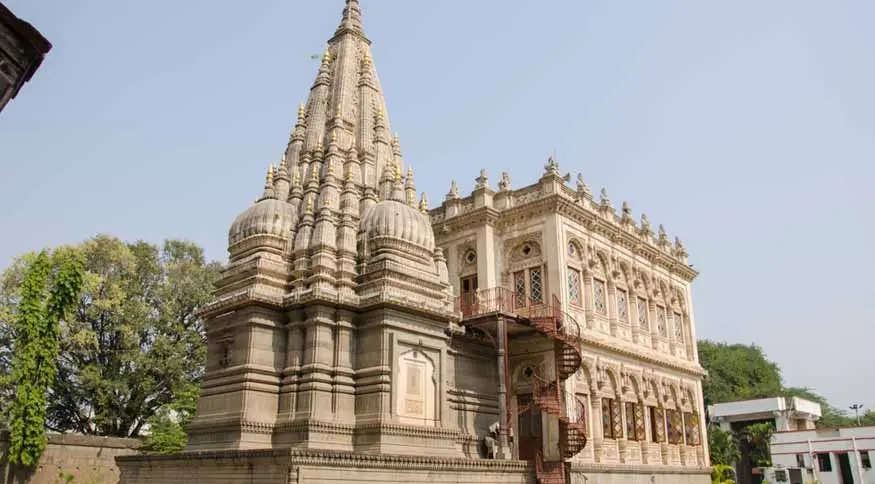
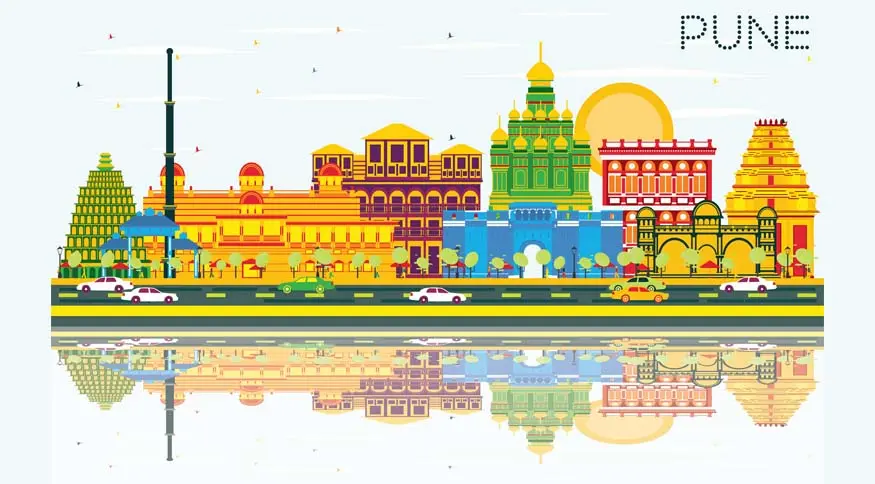
Pune is commonly referred to as the cultural capital of Maharashtra, and in all fairness, this characterisation is justified after you have spent quality time here. Pune does not promote its culture. It lives it quietly, through habits, language, food, festivals, and the way people treat learning and community.
The remarkable thing is that tradition and modern life live in harmony. You might walk past an old wada-style house in the morning and end your evening in a café filled with students and professionals. Pune has changed a lot, but its cultural core hasn’t disappeared. It has simply adapted.
This is not a textbook explanation of culture. It is a down-to-earth examination of how history, tradition, art, and way of life continue to influence Pune on a daily basis.
Where Pune’s Cultural Roots Come From
Pune’s cultural foundation is closely tied to the Maratha Empire and the legacy of Chhatrapati Shivaji Maharaj. However, Pune developed into a key political and cultural centre during the Peshwa period, and its impact is still noticeable.
You can find it in places such as Shaniwar Wada, the Lal Mahal, and more so in the old neighbourhoods. These neighbourhoods still function around:
- Community living
- Local markets
- Shared public spaces
- Daily routines that haven’t changed much
Even today, walking through the old neighbourhood feels different from newer parts of the city. There’s a sense of continuity there that quietly holds Pune’s cultural memory.
Marathi Culture at the Centre of City Life
Marathi culture is not a background element in Pune. It’s central. It determines the language, the mode of conversation, the humour, and even the rhythm of life.
Some things you still notice regularly:
- Marathi being used confidently in daily interactions
- Traditional clothing during festivals and ceremonies
- A strong respect for education and discipline
- Simplicity being valued over display
Women wearing nauvari sarees during special occasions and men choosing simple kurta-pyjamas or dhotis are still common sights. These are not performances of culture. They’re habits passed down over time.
Family bonds and neighbourhood connections also remain strong. The culture of Pune emphasises community over the individual, showing in a quiet manner.
Festivals That Define Pune’s Cultural Rhythm
Pune is greatest in terms of its cultural spirit, which is evident in the festivals. In this case, Ganesh Chaturthi, in particular, carries a lot of meaning. Lokmanya Tilak encouraged the public celebration of Ganeshotsav, and Pune continues to treat it as more than just a festival. It blends devotion, art, music, and social participation in a way that feels organised yet emotional.
Other festivals are equally important and widely celebrated:
- Gudi Padwa: Marking the Marathi New Year.
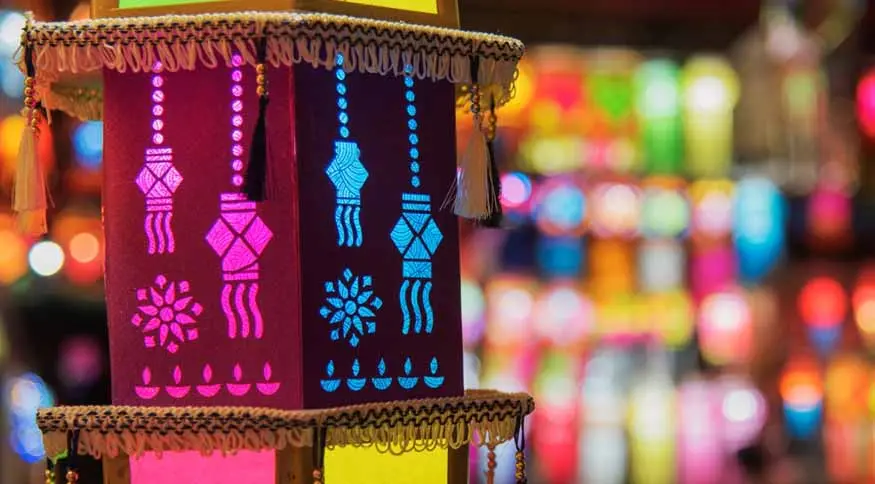
- Diwali: With rituals, food, and family gatherings.
- Makar Sankranti: Known for kite flying and tilgul exchanges.
- Navratri: With music, dance, and cultural programmes.
What’s interesting is that these celebrations manage to stay traditional without becoming rigid. People participate in their own ways, and inclusivity is natural.
Art, Music, and Theatre in Everyday Pune
Pune has always had a strong relationship with the arts. Marathi theatre, in particular, has deep roots here. Plays are not treated as niche events but as part of cultural life.
You’ll often find:
- Regular theatre performances
- Classical music concerts and baithaks
- Cultural festivals centred on music and literature
Hindustani classical music has its loyal listeners of all ages. The city has art galleries and auditoriums where established and upcoming artists are able to work. Culture here is active, not preserved behind glass.
Literature and the Thinking City Image
The City of Pune owes its reputation as an intellectual city to its literary tradition, in large measure. The writings and poetry of the Marathi writers, poets, and thinkers of Pune have influenced social reform, education, and cultural argument.
This legacy continues through:
- Libraries and reading rooms
- Independent bookshops
- Discussions around history, politics, and literature
This thinking culture quietly influences Pune’s progressive mindset. It’s one reason the city often feels reflective rather than reactive.
Pune’s Lifestyle: Old Values, New Choices
The lifestyle of Pune is at the point where tradition and modern living intersect. Traditional values are still strong, yet the city has relaxed its grip on new forms of working and living.
You’ll see:
- Cafés and co-working spaces next to temples
- Modern apartments near traditional markets
- Students, families, and artists sharing the same neighbourhoods
Another good example of this mix is food. Traditional foods such as misal pav, puran poli, and bhakri are still popular, although international cuisines have been introduced into daily meals.
Education as a Cultural Anchor
Education has always mattered in Pune. Often called the “Oxford of the East,” the city has long valued learning as a cultural responsibility, not just a career step.
Schools and colleges here often focus on:
- Academics alongside arts and sports
- Cultural programmes and performances
- Values-based learning
This approach helps younger generations stay connected to their roots while preparing for modern careers.
Community Life and Shared Culture
Culture in Pune survives because it is shared. Housing societies, local mandals, and neighbourhood groups regularly organise:
- Festivals
- Cultural programmes
- Social initiatives
This is what brings the culture; that is, you live with culture, not learn about it in isolation.
Why Pune’s Culture Still Matters
To a world that is fast-growing homogenous, Pune is unique in its way of retaining its identity without shunning change. Its traditions make people feel a part of it, and its openness promotes creativity and development.
To the family particularly, Pune provides a setting that helps the children experience values, awareness of culture, and exposure to modernity all at the same time.
The Role of Schools in Cultural Continuity
Schools are mediators between tradition and contemporary education. When arts, music, values, and local traditions are incorporated into the day-to-day education of institutions, children become empathetic and culturally confident. This grounding matters just as much as academic success.
How EuroSchool Supports Cultural and Holistic Learning
EuroSchool approaches education as more than academics alone. By integrating experiential learning, arts, sports, and cultural exposure with CBSE and ICSE-aligned curricula, the school focuses on overall development. With modern infrastructure and a strong emphasis on values, creativity, and real-world skills, EuroSchool prepares students to thrive in culturally rich cities like Pune.
Pune’s culture isn’t something you observe from a distance. It’s something you participate in, often without realising it. From festivals and food to education and everyday interactions, culture shapes how the city feels. As Pune continues to grow, this balance between tradition and progress is what keeps its identity intact.
Visit EuroSchool to explore the curriculum, campuses, and admissions.