Education has never been just about books, exams, and grades. True learning supports how children think, how they feel, and how they grow as individuals. Whereas learning occurs in the classroom, sports aid character building, confidence and physical health.
The role of sports in education is more crucial these days than ever because most children are now spending more hours in front of the screens than moving around. The current generation of children lives in a high-paced online world. Phones, tablets, and computers are a part of everyday life.
Despite the numerous benefits associated with technology, technology has also diminished the amount of time spent by students in physical activities. This has led to new challenges related to health, attention, and emotional balance.
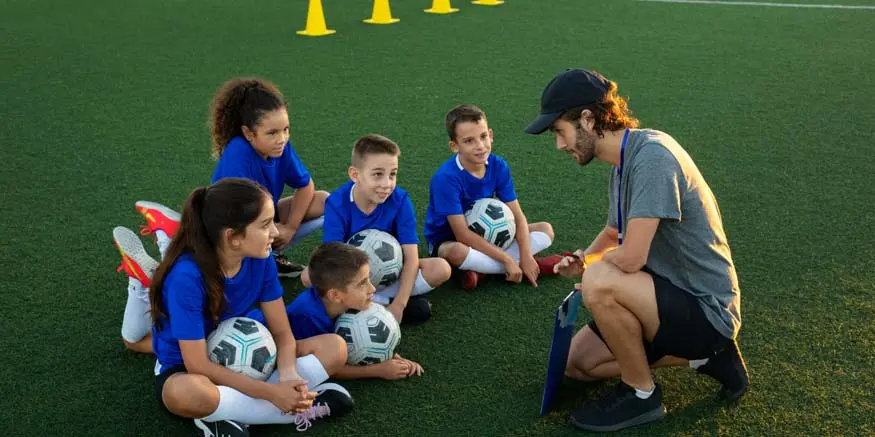
Sports offer a powerful way to bring movement, social interaction, and healthy habits back into daily routines. Sports are not just about competition or winning prizes. They show children how to collaborate with others, how to deal with difficulties, and how to continue despite the fact that things are not always easy.
These traits help in academic performance as well as personal development.
Why Sports Are an Essential Part of Education
Sports give students life experiences that classrooms alone cannot provide. Although academic lessons develop knowledge, sporting activities assist children to practise real-world skills in an empirical manner.
Through regular sports participation, students learn:
- How to work toward goals: Whether training for a match or improving a skill, sports teach students how to set targets and work patiently toward them.
- How to manage success and failure: Winning builds confidence, while losing teaches humility and learning from mistakes.
- How to collaborate with others: Team sports show students how important it is to listen, support, and cooperate.
- How to stay disciplined and focused: Training schedules and rules help children understand commitment and responsibility.
Students develop into well-rounded individuals who are sure, energetic and inspired when sports feature in the school life.
Also Read: The Importance of Reading Books in the Digital Era
Physical Development and Overall Health
One of the most visible benefits of sports is physical fitness. Regular activity supports healthy growth and helps children feel energetic and strong.
Regular participation in sports:
- Improves strength, stamina, and flexibility: Moving in different ways helps muscles, joints, and the heart work better.
- Enhances coordination and motor skills: Running, throwing, catching, and balancing improve body control.
- Supports healthy growth and posture: Active children are more likely to develop strong bones and better posture.
- Reduces the risk of lifestyle-related health issues: Sports help prevent problems linked to inactivity and poor habits.
In a time when many children spend hours sitting, sports encourage movement and build habits that support lifelong health.
Mental Health and Emotional Well-Being
Sports is significant in helping a student to improve both mentally and emotionally. Exercise is a way of releasing stress and elevating mood.
Physical activity helps to:
- Reduce stress and anxiety: Exercise helps the body relax and clear the mind.
- Improve mood and emotional balance: Students often feel happier and more positive after playing sports.
- Boost self-esteem and confidence: Learning new skills and seeing progress builds self-belief.
- Promote better focus and concentration: Active students tend to be more capable of paying attention to class.
Sports can also teach students how to handle pressure, be it in a sports competition or in normal life.
Also Read: The Importance of Parent-Teacher Meetings at School
Building Discipline and Time Management Skills
Students that participate in sports are taught how to balance time and duties.
Through sports, students develop:
- Better time management: Balancing practice and schoolwork teaches planning.
- A sense of responsibility: Being part of a team means showing up and giving effort.
- Goal setting habits: Improvement comes from steady practice.
- Self-discipline and consistency: Success requires regular effort.
These habits support academic success and personal growth.
Teamwork, Leadership, and Social Skills
Sports give students the chance to interact with others in a meaningful way.
Through sports, students learn:
- Cooperation and mutual respect: Working together builds understanding.
- Effective communication: Talking and listening are key in team play.
- Leadership and accountability: Some lead, while others support.
- The value of shared success: Team achievements matter more than individual praise.
These experiences help students become socially confident.
Learning to Handle Success and Failure
Sports teach valuable life lessons.
Students learn that:
- Winning comes from effort and teamwork.
- Losing is a chance to learn.
- Failure does not define them.
These lessons help build resilience and emotional strength.
Enhancing Academic Performance
Sports do not take away from learning. They often support it.
Sports help:
- Improve concentration and memory
- Increase energy levels
- Enhance classroom participation
- Promote structured routines.
Active students often perform better in school.
Encouraging Values and Sportsmanship
Sports teach important values.
They encourage:
- Fair play
- Integrity
- Respect for rules
- Empathy and humility.
These qualities shape strong character.
The Role of Schools in Promoting Sports
Schools support sports by:
- Offering many activities
- Encouraging all students to participate
- Providing trained coaches
- Promoting inclusion.
This helps children enjoy physical activity. The lessons learned through sports stay with students. Teamwork, discipline, and resilience are some of the skills that are useful in all aspects of life.
Creating Well-Rounded Learners Through Sports
Sports is a critical component in developing confident, healthy and competent students. They facilitate physical health, emotional well-being and social development which is equally valuable to academic achievement.
Progressive institutions like EuroSchool understand that education should develop the whole child. By offering well-structured sports programmes, skilled coaching, and equal opportunities for every student, EuroSchool ensures that learners grow not only in knowledge but also in confidence, discipline, and resilience.
Sports become a natural part of school life, helping children discover their strengths and build a positive attitude toward challenges. Sports provide students with life skills in a world that requires intelligence as well as adaptability. Physical activity and teamwork make them more powerful, self-assured, and prepared to face the future.
Also Read: What Is The Water Cycle: Process, Various Stages And Implications