For many children, Holi is one of the happiest days of the year. There is something about bright colours, shared laughter and the feeling that everyone is part of the same celebration that makes it unforgettable. In schools, though, Holi needs to be handled with care. It is not simply a question of excitement. It is the making of a place where all children can feel safe, included and understood.
As Holi 2026 approaches, schools have the chance to shape how students experience the festival. When celebrations are planned thoughtfully, children do not just enjoy the day. They also get to know why it is important. Holi in school should never feel chaotic or overwhelming. Instead, it should feel warm, joyful and respectful. When done right, it becomes a moment students look back on with genuine fondness.
The Significance of Holi
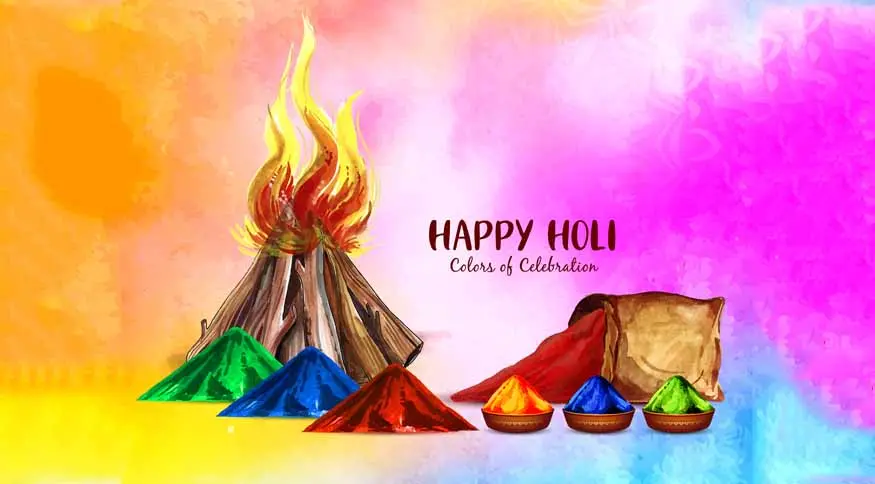
Most students know Holi as the day when everyone throws colours. Not so many people are familiar with the tales that provided a sense to the festival. Prahlad and Holika is one of the generations-old stories. The faith of Prahlad also saved him, even during the time he faced danger. The ritual of Holika Dahan, observed the night before Holi, represents the burning away of evil intentions and negativity. It is a reminder that goodness has strength.
We also have the story of Krishna and Radha. Krishna’s playful act of applying colour is said to have started a tradition that continues to this day. Beyond the playfulness, the gesture symbolises equality and affection. On Holi, differences are meant to fade. Everyone stands on the same ground.
Holi also marks a shift in seasons. Winter gives way to spring. The air feels lighter. Trees begin to bloom again. In many places, it is connected to harvest and gratitude. It carries the idea of starting fresh. When children understand these stories and seasonal meanings, the festival feels deeper. It becomes about values, not just colour.
Why Schools Should Celebrate Holi Thoughtfully
Celebrating Holi in school is not the same as celebrating at home. Schools bring together children from different backgrounds, with different comfort levels. Some may love colour play. Others may feel anxious about it. Some may have skin sensitivities. This is because some of them do not even observe Holi. A thoughtful celebration takes all of this into account.
When schools approach Holi responsibly, they teach something important without even saying it out loud. They demonstrate that happiness should not be at the expense of another person. They show that tradition and care can go hand in hand. A properly thought-out celebration makes the school community stronger. It provides children with a unified experience, yet it does not violate personal boundaries.
Safe Holi Celebration in School: Essential Guidelines
Holi at school should feel joyful, not stressful. Keeping things simple helps.
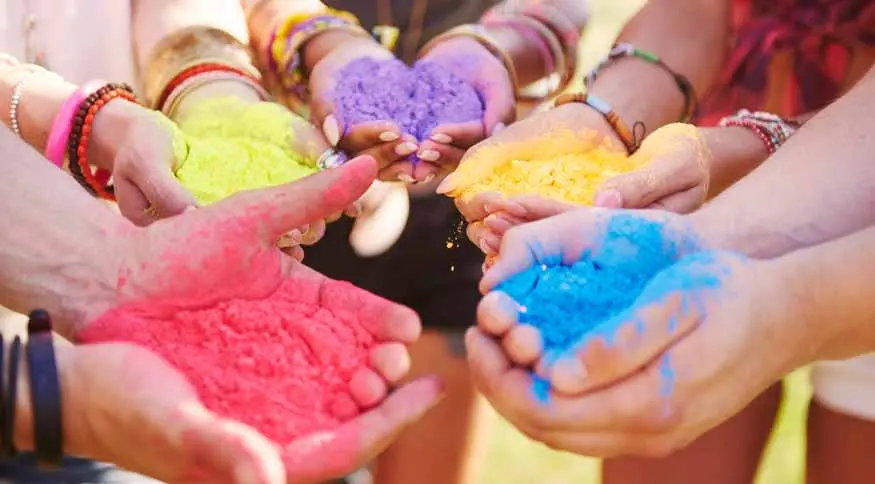
- Use only organic, skin-friendly colours, as chemical powders can cause irritation.
- Skip water balloons and heavy splashing. A dry celebration is safer and easier to manage.
- Teachers should stay present to keep the excitement from getting out of hand.
- Parents need to be informed in advance if colours are involved.
- Most importantly, participation should always be optional. No child should feel pressured. Respect makes the celebration better for everyone.
Fun & Meaningful Holi Activities for Students
Holi can be celebrated in school in a number of ways without making it an uncontrolled colour fight.
- Storytelling Sessions: Instead of beginning with colour play, start with stories. Children respond naturally to storytelling. When they hear about Prahlad’s courage or Krishna’s playfulness, the festival begins to make sense. Teachers can pause during the story and ask simple questions. What would you have done in that situation? Why do you think faith mattered? Such trivial conversations have a long-lasting impact.
- Eco-Friendly Colour Workshop: It can be surprisingly interesting to have a practical demonstration of the process of making natural colours. Showing students how turmeric creates yellow or how beetroot produces pink helps them see that celebrations do not need artificial products. It also quietly introduces the idea of sustainability without making it feel like a lecture.
- Art and Craft Competitions: Not all children desire colour on their face. Art provides a safe alternative. Students can paint scenes inspired by Holi, design posters about safe celebrations or create simple spring-themed crafts. This allows everyone to participate in a way that feels right to them.
- Cultural Performances: Music automatically elevates the mood. Group dances to traditional Holi songs or short skits based on festival legends can bring energy into the school hall. Performances also give students who enjoy the stage a chance to shine. It turns the celebration into something organised and inclusive.
- Gratitude and Forgiveness Wall: Holi is often associated with letting go of grudges. A simple board where students can write kind messages or apologies can be surprisingly meaningful. A small note saying “Thank you for helping me” or “Sorry for arguing” carries real emotional value. It shifts the focus from colour to connection.
- Science Behind Colours Session: A short session explaining how natural dyes work and why synthetic colours can be harmful adds an educational layer. It connects the festival to everyday learning. Students understand not just what they are celebrating, but how their choices affect their health and the environment.
- Community Sharing Initiative: Holi is about spreading joy. Organising a small donation drive for books or stationery reminds students that celebration is also about giving. This keeps the festival grounded in empathy.
Teaching Inclusivity During Holi
Any classroom will have students of divergent cultural or religious backgrounds. The fact that Holi in school is a cultural celebration of spring, renewal and togetherness is important. It is possible to accept the roots of it, but to also respect universal values like kindness and equality. Creating room for respectful conversation allows students to learn from one another without feeling singled out. An inclusive approach ensures that the festival brings people closer.
Environmental Responsibility During Holi
Fears of water wastage and toxic colours exist. Schools can also set a good example by making celebrations dry and ensuring that they clean up well after the event. Responsibility can be strengthened when the students are involved in cleaning up the space after the event. It quietly teaches that celebration and accountability go together.
Holi 2026: A Celebration of Values
As Holi 2026 draws near, schools can use the festival to reinforce what truly matters. Courage in difficult moments. Faith in what is right. The importance of forgiveness. The joy of friendship. Holi makes a lasting impression when these values are involved in the celebration.
How EuroSchool Celebrates Holi Meaningfully
At EuroSchool, Holi is celebrated with intention rather than excess. It is all about safety, inclusiveness and awareness. The activities are monitored and carefully designed to ensure that all children feel at ease. The day consists of storytelling, creative workshops and open dialogues. Ecological friendliness is promoted, and the involvement is voluntary. The result is a celebration that feels joyful but balanced. Students have fun, yet they know the reason why they are celebrating.
In the end, Holi in school should not just colour clothes for a day. It should leave behind lessons about respect, responsibility and togetherness that last far longer.