Ask anyone who has lived in Yelahanka for a few years, and they will probably tell you the same thing. Life here feels settled. It does not necessarily require concentration. Yelahanka is situated in North Bangalore, and it is expanding steadily, though without losing the sense of order. Roads are planned, neighbourhoods are quieter, and daily essentials are usually close by.
For families, this matters more than it might seem at first. Parents do not need to plan every outing like a project. Children are not confined indoors because stepping out feels like too much effort. Whether it is a short walk, an hour at the park, or a quick activity after school, these moments fit easily into everyday life. When you ask about things to do in Yelahanka with your family, you will realise that there is more than just a destination in the area. It offers habits. Small, repeatable experiences that become part of childhood and family routines over time.
Why Yelahanka Works Well for Families
Yelahanka is a place that families prefer due to practical reasons, but they remain after they have settled in due to the way life is like there. Some of the everyday advantages parents mention include:
- Roads that are easier to navigate, even during busy hours.
- Residential layouts that feel planned rather than crowded.
- Parks and open spaces within walking distance.
- Schools, shops, and clinics located close to home.
Because of this, outings rarely feel rushed. Parents can decide to step out without worrying about traffic or long travel times. This flexibility is beneficial to children, as they are able to play, explore and relax frequently instead of on special occasions only.
1. Spending Time at Parks and Green Spaces
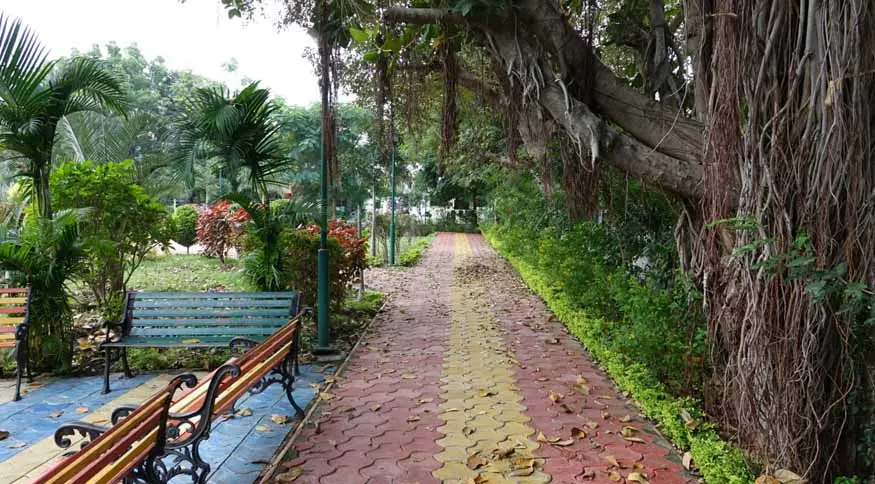
Among the most frequented and enjoyed features of Yelahanka are parks. Most neighbourhoods also have local parks where families visit nearly every day. These are not destination parks. They are part of normal life. What makes these parks valuable is not just the equipment, but how naturally they fit into routines.
Families often use parks for:
- After-school playtime.
- Evening walks and casual conversations.
- Weekend meet-ups with neighbours.
- Quiet breaks from indoor spaces.
Children benefit in obvious ways. They run, climb, play games, and burn off energy. Over time, they also learn social skills. Being able to share swings, take a turn, and play with kids of various ages becomes a part of their growing process. Parents notice benefits too. A brief outdoor adventure is enough to make a child feel better and sleep better. For adults, parks offer a pause in the day. Sitting on a bench while children play often becomes a moment to slow down.
2. Walks and Evenings Around Yelahanka Lake
Yelahanka Lake is one of those places that residents quietly value. It is not loud or flashy. It simply offers space to breathe. Families often visit in the early morning or evening, especially on weekends.
The area around the lake appeals to families for simple reasons:
- Less traffic noise compared to main roads.
- Walking paths suitable for children and older family members.
- Open views that feel calming.
- A chance to observe nature without travelling far.
Children often notice things adults overlook. Birds, insects, changes in the water, or the sky at sunset. These observations lead to small conversations and moments of curiosity. For parents, these walks provide a break from screens and schedules. Even a short walk around the lake can reset the mood for the rest of the day. It is one of those places where doing very little still feels worthwhile.
3. Indoor Play Zones for Busy or Rainy Days
The indoor play zones have proved to be a sure thing in Yelahanka, particularly during school holidays or when outside play is not available. These centres offer organised places where active play can be experienced.
Most indoor play spaces include:
- Soft play areas for toddlers and younger children.
- Climbing frames, trampolines, or obstacle courses.
- Interactive games that encourage movement.
- Supervised zones that allow parents to step back.
Parents like the feeling of safety and organisation. Children take pleasure in the fact that they are free to move and they are not instructed to sit down. Birthday celebrations or a weekend treat are also common in these centres as families seek a variation to their usual meals. Indoor play zones are not a daily activity, but it is significant to keep the children active and entertained during school breaks.
4. Family Time at Malls and Entertainment Spaces
Malls near Yelahanka are often used as practical family outing spots rather than occasional luxuries. They allow parents to combine several needs into one trip.
Families usually visit malls for reasons such as:
- Children’s play areas and gaming zones.
- Cinemas that screen family-friendly films.
- Restaurants with varied menu options.
- Seasonal events or workshops for children.
For parents, mall visits offer predictability. Facilities are known, food options are familiar, and children have enough variety to stay engaged. These outings are especially helpful on longer weekends or during school holidays. Children enjoy the sense of choice and activity, while parents appreciate having everything under one roof.
5. Weekend Workshops and Skill-Based Activities
Several families at Yelahanka send their children to workshops held over the weekend or short-term learning programmes. These activities focus less on exams and more on exploration.
Common choices include:
- Art and craft sessions.
- Music and dance classes.
- Introductory robotics or technology programmes.
- Storytelling and theatre workshops.
Children often respond well to these settings because they are less formal than school. Smaller groups allow them to express themselves freely. Parents frequently notice improvements in confidence, communication, and curiosity. Over time, these activities help children discover interests that shape how they see themselves.
Why These Activities Make a Difference
Children grow optimally when their lives entail a combination of moving, being creative, learning, and resting. The activities available in Yelahanka support this balance naturally. Outdoor play strengthens physical health. Creative sessions support emotional expression. Group activities teach cooperation and communication. Quiet moments, such as lake walks, encourage calm and reflection. When parents regularly include these experiences in family life, children grow up feeling supported and secure.
The Role of Schools in a Child’s Routine
While weekend and after-school activities add value, schools remain the foundation of a child’s development. Families in Yelahanka often look for schools that understand this broader picture.
Schools that focus on the following areas tend to stand out:
- Physical education and sports.
- Arts, music, and cultural exposure.
- Life skills and practical learning.
- Encouraging independent thinking.
When school values align with home life, children experience consistency and confidence.
Why Many Families Choose EuroSchool
EuroSchool is often considered by families who want a balanced approach to education. The school focuses on connecting academic learning with real-world experiences. With CBSE and ICSE-aligned curricula, modern infrastructure, sports facilities, arts education, and personalised mentoring, EuroSchool aims to support overall development rather than exam performance alone. This strategy is quite suitable to the family-friendly lifestyle that most parents want in Yelahanka.
Yelahanka offers families something increasingly rare in growing cities. It offers room to live at a steady pace. From neighbourhood parks to quiet lake walks, from play zones to creative workshops, the activities here support everyday family life rather than disrupt it. These basic experiences have the potential to form childhood memories to parents with children in Yelahanka.