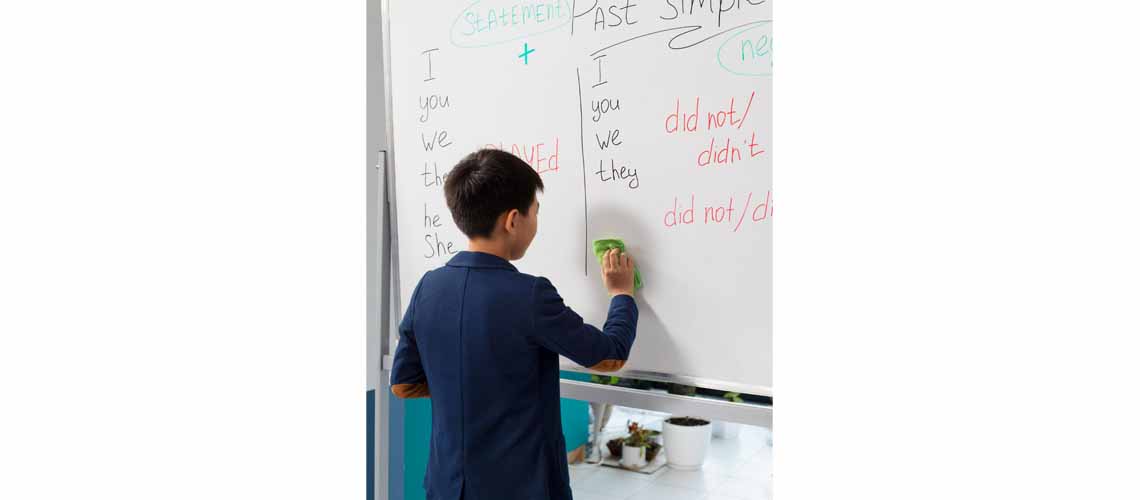
You would remember that the reason we use the present tense in saying, “I eat breakfast at 8 a.m.” and not “I ate breakfast at 8 a.m.” when discussing the things, we usually do every day, is because English grammar has some amazing tenses.
The basis of clear communication is the usage of tenses. They inform us about the past, present or future of something happening. You may be studying English at school, writing an email or learning to tell a story and you have to know how to use and understand tenses to enhance your writing capabilities.
In this guide in grammar, we will deconstruct tenses in an easy manner such that you can make use of them in your daily writing with ease.
1. What Are Tenses in English Grammar?
In English, tenses indicate the time of an action. They assist readers and listeners to comprehend when something is happening, was happening or will happen.
There are three main tenses:
- Past Tense: for actions that happened before now
- Present Tense: for actions happening right now
- Future Tense: for actions that will happen later
Each of these is in turn broken down into 4 forms of them, being Simple, Continuous (or Progressive), Perfect, and Perfect Continuous to make a total of 12 tenses.
2. Why Are Tenses Important in Daily Writing?
Tenses are the backbone of sentence structure in English. Using them correctly helps make your writing clear, express time accurately, improve fluency, and build confidence in everyday communication.
Incorrect tense usage can completely change meaning.
Example:
Wrong: I eat breakfast yesterday.
Correct: I ate breakfast yesterday.
3. The Three Basic Tenses: Simple and Clear
Tense | Example | Use |
Simple Present | I write emails daily. | To describe habits or facts. |
Simple Past | I wrote an email yesterday. | To describe completed actions. |
Simple Future | I will write an email tomorrow. | To describe actions that will happen later. |
4. Continuous Tenses: Actions in Progress
Continuous (or progressive) tenses refer to something which is going on or something that is happening now or was happening or will be happening.
Tense | Example | Use |
Present Continuous | I am writing now. | An action happening at the moment. |
Past Continuous | I was writing when you called. | Ongoing action interrupted by another. |
Future Continuous | I will be writing during the event. | A future action that will continue. |
5. Perfect Tenses: Linking Past and Present
Perfect tenses describe actions that have been completed, often connecting one time period to another.
Tense | Example | Use |
Present Perfect | I have finished my homework. | Action completed recently. |
Past Perfect | I had finished before dinner. | Action completed before another. |
Future Perfect | I will have finished by tomorrow. | Action that will be completed later. |
6. Perfect Continuous Tenses: Duration Matters
These highlight the duration of an action.
Tense | Example | Use |
Present Perfect Continuous | I have been studying for two hours. | Action started in the past and continues now. |
Past Perfect Continuous | I had been studying before you came. | Ongoing past action stopped by another. |
Future Perfect Continuous | I will have been studying for three years by 2026. | Future action continuing up to a certain time. |
H2 7. Common Grammar Mistakes in Tense Usage
Incorrect | Correct | Why |
She go to school yesterday. | She went to school yesterday. | Use past tense. |
I am see a movie now. | I am watching a movie now. | Use continuous form. |
He was sleep when I called. | He was sleeping when I called. | Continuous action in progress. |
I have saw that film. | I have seen that film. | Correct past participle is “seen.” |
She will going tomorrow. | She will go tomorrow. | Future tense doesn’t use “-ing.” |
8. How to Use Tenses Effectively in Writing
a) Match the tense to the time frame.
b) Maintain consistency; don’t mix tenses unnecessarily.
c) Use tenses to tell better stories;
deliberate tense shifts create impact.
d) Practise with daily journals to improve grammar and clarity.
9. Learn English Through Everyday Practice
Mastering tenses doesn’t happen overnight. Read, write, and listen regularly. Write short paragraphs, take grammar exercises, and observe tense use in English lessons.
10. Quick Reference Chart for All 12 Tenses
Tense | Example Sentence |
Simple Present | I play football. |
Present Continuous | I am playing football. |
Present Perfect | I have played football. |
Present Perfect Continuous | I have been playing football. |
Simple Past | I played football. |
Past Continuous | I was playing football. |
Past Perfect | I had played football. |
Past Perfect Continuous | I had been playing football. |
Simple Future | I will play football. |
Future Continuous | I will be playing football. |
Future Perfect | I will have played football. |
Future Perfect Continuous | I will have been playing football. |
Final Thoughts
Learning proper use of tenses is not only a matter of grammar, but it is also a matter of communication. Once you know how to convey when something happened your writing proceeds more smoothly and is more assertive.
At EuroSchool, we not only make the learning process of English language enjoyable and easy, but also effective through interesting stories, activities and interactive lessons. Our programmes assist children to build up their writing abilities, grammar, and vocabulary at a tender age.
Enrol your child at EuroSchool and offer him or her a good beginning in communicating in English and being creative. Visit EuroSchool to learn more.