Hobbies play a powerful role in a student’s overall development. Beyond academics, they provide a creative outlet, reduce stress, improve focus, and help students discover their interests and strengths. When chosen thoughtfully, hobbies can significantly enhance both creativity and productivity, making learning more enjoyable and effective.
In this blog, we explore 10 top hobbies for students that support mental well-being, skill development, and personal growth.
1. Reading
Reading is one of the most enriching hobbies a student can develop. It expands knowledge, improves vocabulary, and strengthens imagination. Whether it’s fiction, non-fiction, biographies, or educational books, reading exposes students to new ideas, cultures, and perspectives.
Regular reading enhances critical thinking, comprehension, and problem-solving skills-abilities that directly support academic success and creative thinking.
2. Writing
Writing allows students to express their thoughts, ideas, and emotions clearly. Activities such as journaling, storytelling, poetry writing, or blogging improve communication skills and encourage creative expression.
Writing also helps students organize their thoughts, reflect on experiences, and reduce stress. Over time, it builds confidence and improves clarity of thinking, which contributes to higher productivity.
3. Visual Arts
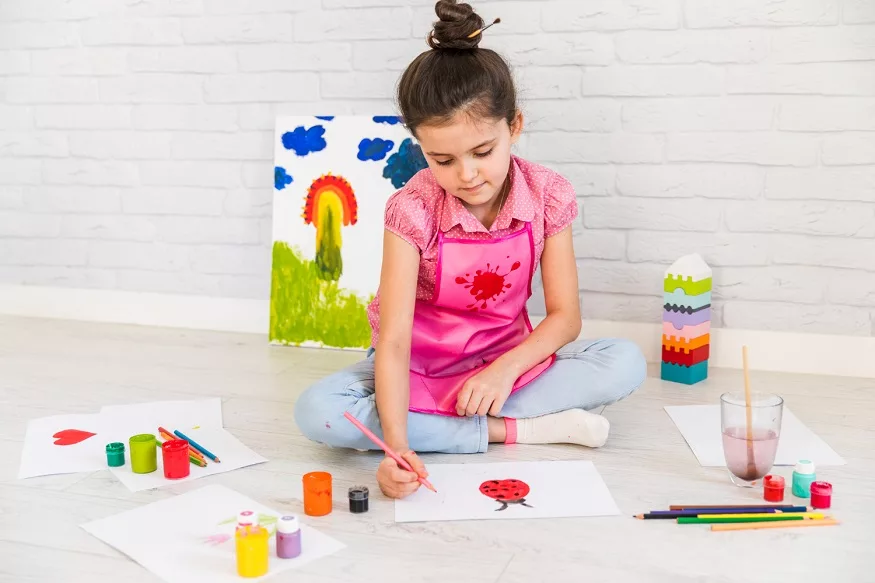
Visual arts such as drawing, painting, and crafting offer students a powerful medium for self-expression. Creating art encourages imagination, focus, and emotional release while reducing stress and anxiety.
For beginners, craft-based hobbies are a great starting point, such as:
- Origami (paper folding)
- Cross-stitch
- Painting by numbers
- Beaded jewellery making
- Scrapbooking
These activities improve fine motor skills, patience, and creative thinking.
4. Music
Learning to play a musical instrument or engaging with music develops discipline, concentration, and emotional intelligence. Music improves memory, coordination, and multitasking abilities.
Listening to music can also enhance focus during study time, while playing an instrument nurtures creativity and perseverance, skills that benefit students academically and personally.
5. Cooking and Baking
Cooking and baking encourage creativity through experimentation with flavours, textures, and presentation. This hobby also builds practical life skills, independence, and time management.
Preparing meals can improve productivity by saving time and promoting healthier eating habits, helping students stay energized and focused throughout the day.
Also Read: Best Cooking Games for Kids To Play And Enjoy
6. Photography
Photography trains students to observe details, understand composition, and tell stories visually. It sharpens creativity and encourages students to see the world from new perspectives.
With modern smartphones, photography is easily accessible and can be a meaningful way to document daily life, events, and creative ideas.
7. Gardening
Gardening helps students connect with nature while teaching patience, responsibility, and problem-solving skills. Watching plants grow fosters a sense of accomplishment and mindfulness.
Spending time outdoors also refreshes the mind, improving concentration and mental clarity when students return to their studies.
8. Physical Fitness
Physical activities such as sports, yoga, dance, or exercise routines support both physical and mental health. Regular movement improves sleep quality, energy levels, and mood.
Exercise has been shown to enhance memory, concentration, and creativity, making it an essential hobby for productive learning.
9. Programming and Coding
Coding and programming are valuable modern skills that enhance logical thinking and creativity, an approach increasingly supported by schools in Electronic City Bangalore. Students learn how to solve problems, build applications, and understand how technology works.
Coding concepts are used in everyday technologies such as calculators, traffic systems, smart devices, and automobiles, making this hobby both practical and future-ready.
10. Exploration and Travel
Exploring new places broadens a student’s perspective and builds adaptability. While long-distance travel may not always be possible, local exploration, day trips, or cultural visits can offer similar learning benefits.
Exposure to new environments encourages curiosity, independence, and problem-solving skills.
Also Read: The Importance of Reading Books in the Digital Era
How Hobbies Benefit Students
Incorporating hobbies into daily life helps students:
- Reduce stress and mental fatigue
- Improve creativity and focus
- Build confidence and life skills
- Maintain a healthy balance between study and leisure
Tips to Make the Most of Hobbies:
- Manage time wisely: Set specific time slots for hobbies without affecting studies
- Set small goals: Achievements build motivation and confidence
- Combine hobbies: For example, listening to music while painting or writing about travel experiences
- Keep learning: Explore new techniques and ideas within your hobbies
- Share with others: Join clubs or communities to stay motivated
- Avoid overcommitting: Choose hobbies that truly interest you
Conclusion
Hobbies are more than just leisure activities; they are essential tools for nurturing creativity, reducing stress, and boosting productivity. When students engage in activities they enjoy, as encouraged by many CBSE schools in Whitefield, they return to academics with renewed focus and enthusiasm.
.
At EuroSchool, we strongly believe in the importance of hobbies as part of holistic education. By encouraging students to explore their interests beyond textbooks, we help them grow into confident, creative, and well-rounded individuals.
The key is not to treat hobbies as another task, but as a source of joy and self-discovery. Explore, create, and find balance-your student life will be richer for it.