
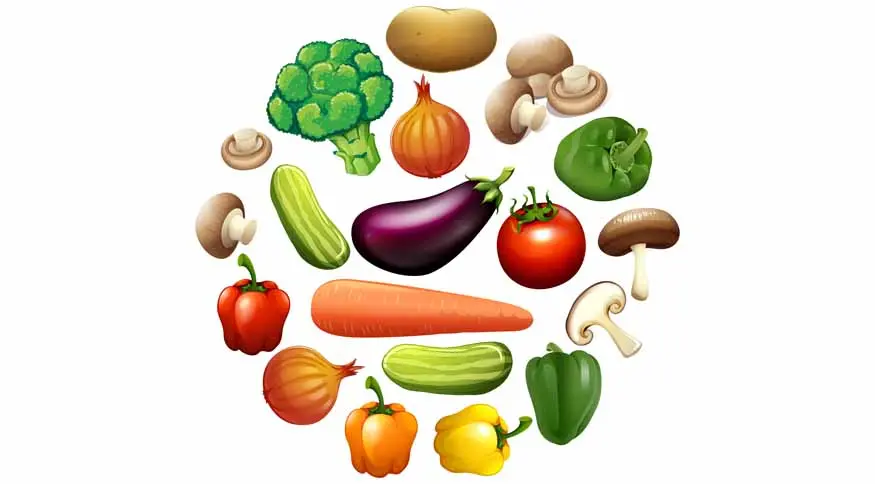
Vegetables are the cornerstone of a healthy diet, offering a rich variety of vitamins, minerals, fiber, and antioxidants. Whether you are a seasoned home cook, a gardening enthusiast, or someone looking to expand your plate with more plant-based foods, knowing the wide world of vegetables can open up exciting possibilities in the kitchen and beyond.
In this guide, we will walk through 50 popular vegetables from around the globe, explore the different types of vegetables based on botanical and culinary classifications, and answer some of the most frequently asked questions about vegetables.
Complete List of 50 Vegetables
Here is a curated list of 50 vegetables that are enjoyed in kitchens worldwide:
- Tomato
- Potato
- Onion
- Carrot
- Broccoli
- Spinach
- Cauliflower
- Bell Pepper
- Cucumber
- Lettuce
- Cabbage
- Green Beans
- Peas
- Zucchini
- Eggplant (Brinjal)
- Sweet Potato
- Beetroot
- Radish
- Turnip
- Celery
- Asparagus
- Kale
- Brussels Sprouts
- Artichoke
- Okra (Lady Finger)
- Corn
- Mushroom
- Garlic
- Ginger
- Leek
- Swiss Chard
- Pumpkin
- Butternut Squash
- Bitter Gourd (Karela)
- Bottle Gourd (Lauki)
- Ridge Gourd (Turai)
- Drumstick (Moringa)
- Fenugreek Leaves (Methi)
- Arugula (Rocket)
- Watercress
- Parsnip
- Kohlrabi
- Bok Choy
- Snow Peas
- Jalapeno Pepper
- Sweet Corn
- Taro Root (Arbi)
- Yam (Suran)
- Lotus Root (Kamal Kakdi)
- Chickpea Greens (Chana Saag)
Different Types of Vegetables
Vegetables can be grouped into several categories based on the part of the plant that is eaten. Understanding these categories can help you build a balanced and colorful diet.
1. Root Vegetables
Root vegetables grow underground and are prized for their starchy, nutrient-dense flesh. They tend to have a long shelf life and are excellent for roasting, boiling, and adding to stews.
Examples: Carrot, Potato, Sweet Potato, Beetroot, Radish, Turnip, Parsnip, Taro Root, Yam
Root vegetables are rich in complex carbohydrates, dietary fiber, and essential minerals like potassium and manganese. They form the base of many traditional dishes across cultures, from Indian aloo sabzi to French potato gratin.
2. Leafy Green Vegetables
Leafy greens are among the most nutrient-dense foods on the planet. They are low in calories and packed with vitamins A, C, K, and folate.
Examples: Spinach, Kale, Lettuce, Swiss Chard, Arugula, Watercress, Cabbage, Fenugreek Leaves, Bok Choy, Chickpea Greens
These vegetables can be eaten raw in salads, sauteed as a side dish, blended into smoothies, or used as wraps. Leafy greens are especially important for bone health, blood clotting, and immune function.
3. Cruciferous Vegetables
Cruciferous vegetables belong to the Brassica family and are known for their slightly bitter, peppery flavor. They contain powerful compounds called glucosinolates, which have been studied for their potential health benefits.
Examples: Broccoli, Cauliflower, Brussels Sprouts, Cabbage, Kale, Kohlrabi
These vegetables are incredibly versatile. They can be steamed, roasted, stir-fried, or even eaten raw. Cauliflower, for instance, has become a popular low-carb substitute for rice and pizza crust.
4. Allium Vegetables
Allium vegetables are aromatic and form the flavor base of countless dishes around the world. They contain sulfur compounds that give them their distinctive taste and smell.
Examples: Onion, Garlic, Leek
Alliums are used in virtually every cuisine. They can be eaten raw, caramelized, pickled, or roasted. Beyond their culinary value, alliums have been associated with heart health and anti-inflammatory properties.
5. Gourd and Squash Vegetables
Gourds and squashes belong to the Cucurbitaceae family and come in a wide range of shapes, sizes, and flavors. They are a staple in Indian, Asian, and Mediterranean cooking.
Examples: Pumpkin, Butternut Squash, Zucchini, Cucumber, Bitter Gourd, Bottle Gourd, Ridge Gourd
Some gourds, like cucumber and zucchini, are eaten with their skin and seeds. Others, like pumpkin and butternut squash, are typically peeled and roasted or pureed into soups.
6. Nightshade Vegetables (Solanaceae)
Nightshade vegetables are part of the Solanaceae family. Despite some myths about their effects on inflammation, they are widely consumed and highly nutritious.
Examples: Tomato, Bell Pepper, Eggplant, Potato, Jalapeno Pepper
These vegetables are rich in vitamins C and A, as well as lycopene (in tomatoes) and capsaicin (in peppers). They are central to cuisines ranging from Italian to Mexican to Indian.
7. Legume Vegetables
Legumes are plants that produce pods, and many of them are consumed as vegetables when harvested young and fresh.
Examples: Green Beans, Peas, Snow Peas
Fresh legume vegetables are excellent sources of plant-based protein, fiber, and iron. They can be steamed, stir-fried, or added to casseroles and curries.
8. Stem and Stalk Vegetables
These vegetables are valued for their crunchy, fibrous stalks. They add texture and freshness to salads and cooked dishes alike.
Examples: Celery, Asparagus, Lotus Root, Drumstick (Moringa)
Asparagus is a springtime delicacy packed with folate and vitamins, while celery is a popular low-calorie snack. Drumstick pods are a beloved ingredient in South Indian sambar.
9. Bulb Vegetables
Bulb vegetables grow at or just below the soil surface and are known for their layered structure and intense flavors.
Examples: Garlic, Onion, Kohlrabi
These are often used as foundational ingredients in cooking but can also shine as the main attraction, such as in roasted garlic spread or French onion soup.
10. Flower Vegetables
Some vegetables are actually the immature flower heads of plants. They are tender, flavorful, and packed with nutrients.
Examples: Broccoli, Cauliflower, Artichoke
Broccoli and cauliflower are two of the most widely consumed flower vegetables in the world. Artichokes, while less common, are a prized delicacy in Mediterranean cuisine.
Health Benefits of Eating Vegetables
Including a variety of vegetables in your daily diet offers numerous health benefits:
Nutrient density: Vegetables provide essential vitamins (A, C, K, B-complex), minerals (iron, calcium, potassium), and dietary fiber without adding many calories.
Disease prevention: Regular vegetable consumption has been linked to a reduced risk of heart disease, type 2 diabetes, certain cancers, and obesity.
Digestive health: The fiber in vegetables promotes healthy digestion, prevents constipation, and supports a balanced gut microbiome.
Weight management: Because vegetables are low in calories and high in water and fiber, they help you feel full and satisfied without overeating.
Skin and eye health: Vegetables like carrots, spinach, and bell peppers are rich in beta-carotene and vitamin A, which support healthy skin and good vision.
Frequently Asked Questions (FAQs)
Q1: How many servings of vegetables should I eat per day?
Most health organizations recommend eating at least 3 to 5 servings of vegetables per day. A serving is roughly equivalent to one cup of raw leafy greens or half a cup of cooked vegetables. Eating a variety of colors and types ensures you get a broad spectrum of nutrients.
Q2: What is the difference between a fruit and a vegetable?
Botanically, a fruit develops from the flower of a plant and contains seeds, while a vegetable refers to other edible parts of the plant such as roots, stems, and leaves. However, in culinary terms, many botanical fruits (like tomatoes, cucumbers, and bell peppers) are treated as vegetables because of their savory flavor profiles.
Q3: Are frozen vegetables as nutritious as fresh ones?
Yes, frozen vegetables are often just as nutritious as fresh vegetables. They are typically flash-frozen soon after harvesting, which locks in most of their vitamins and minerals. In some cases, frozen vegetables may retain more nutrients than fresh ones that have been stored for several days.
Q4: Which vegetables are highest in protein?
While vegetables are not typically high-protein foods compared to meat or legumes, some do offer a notable amount. Peas, spinach, broccoli, Brussels sprouts, and asparagus are among the vegetables with the highest protein content per serving.
Q5: Can I eat vegetables raw, or should I always cook them?
Many vegetables can be enjoyed both raw and cooked. Eating them raw preserves heat-sensitive vitamins like vitamin C. However, cooking can make certain nutrients more bioavailable. For example, the lycopene in tomatoes becomes easier for the body to absorb when the tomatoes are cooked. A mix of raw and cooked vegetables in your diet is the best approach.
Q6: What are the best vegetables for weight loss?
Low-calorie, high-fiber vegetables are ideal for weight loss. Some of the best choices include spinach, broccoli, cauliflower, cucumber, celery, zucchini, and bell peppers. These vegetables fill you up without adding excess calories.
Q7: Are organic vegetables better than conventional ones?
Organic vegetables are grown without synthetic pesticides or fertilizers. While they may have slightly lower pesticide residues, research generally shows that both organic and conventional vegetables offer similar nutritional value. The most important thing is to eat plenty of vegetables, regardless of whether they are organic or conventional.
Q8: Which vegetables are best for gut health?
Vegetables that are high in fiber and prebiotics are excellent for gut health. These include garlic, onion, leek, asparagus, artichoke, and leafy greens like spinach and kale. Fermented vegetables such as sauerkraut (made from cabbage) and kimchi also promote a healthy gut microbiome.
Q9: How should I store vegetables to keep them fresh longer?
Different vegetables have different storage needs. Leafy greens should be stored in the refrigerator wrapped in a damp cloth or paper towel. Root vegetables like potatoes and onions are best kept in a cool, dark, and dry place. Tomatoes retain their flavor best at room temperature. Avoid washing vegetables until you are ready to use them, as excess moisture can speed up spoilage.
Q10: What are some easy ways to add more vegetables to my diet?
There are many simple strategies to eat more vegetables. You can add spinach or kale to your morning smoothie, snack on raw carrot and cucumber sticks with hummus, toss extra veggies into soups and stir-fries, use cauliflower rice as a grain substitute, or make veggie-loaded omelets for breakfast. Starting with small, consistent changes makes it easier to build the habit over time.
Final Thoughts
Vegetables are one of the simplest and most effective ways to nourish your body. With 50 varieties to explore and countless ways to prepare them, there is truly something for everyone. Whether you prefer the earthy sweetness of roasted root vegetables, the refreshing crunch of a green salad, or the hearty comfort of a vegetable curry, making vegetables a central part of your meals is a choice your body will thank you for.
Start experimenting with new vegetables today and discover flavors, textures, and recipes you never knew you were missing.