
In today’s rapidly changing education landscape, teaching methods are constantly being questioned, adapted, and improved. Yet, traditional teaching methods-which have shaped generations of learners-continue to hold a significant place in classrooms across the world.
As education moves deeper into the 21st century, it becomes essential to examine these time-tested approaches with a balanced perspective. This article explores what traditional teaching methods are, their key advantages, the challenges they present, and how they can be thoughtfully integrated with modern practices for holistic learning.
Understanding Traditional Teaching Methods
Traditional teaching methods are often characterised by structure, discipline, and teacher-led instruction. Some of the defining features include:
Lecture-Based Instruction
At the heart of traditional education is the lecture format, where teachers deliver information directly to students. This one-way flow of communication allows educators to explain concepts systematically and cover a wide syllabus efficiently.
Textbook-Centric Learning
Textbooks serve as the primary learning resource, offering a standardised and structured curriculum. Lessons, homework, and assessments are typically aligned with prescribed textbooks.
Teacher-Centred Classrooms
In this model, the teacher plays the central role as the authority and knowledge provider, while students primarily listen, observe, and take notes. Student participation exists but is often limited, a traditional approach still followed by some of the best ICSE schools in undri pune.
Advantages of Traditional Teaching Methods
Despite evolving trends, traditional teaching continues to offer several important benefits.
1. Structured Learning Environment
A clear timetable, fixed curriculum, and predictable classroom routine create stability. This structure helps students stay organised and provides a sense of discipline and consistency.
2. Efficient Delivery of Knowledge
Lecture-based teaching enables teachers to cover large portions of the syllabus within a limited timeframe, which is especially useful for subjects requiring strong foundational knowledge.
3. Clear Learning Objectives
Students know what is expected of them. Lessons follow defined goals, helping learners prepare systematically for assessments and examinations.
4. Exam-Oriented Preparation
Traditional teaching aligns well with standardised examinations. Textbook learning and revision-based methods, followed by many CBSE schools in Electronic City Bangalore, prepare students effectively for written tests. 5. Face-to-Face Interaction
Direct interaction between teachers and students allows for immediate clarification of doubts, personalised guidance, and stronger teacher-student relationships.
6. Use of Tangible Learning Resources
Physical textbooks, notebooks, blackboards, and classroom tools support hands-on learning and reduce overdependence on screens.
7. Social Skill Development
Traditional classrooms encourage peer interaction, teamwork, and communication, helping students develop interpersonal and collaborative skills.
8. Immediate Feedback
Teachers can observe students in real time and provide instant feedback, reinforcing correct understanding and addressing misconceptions promptly.
Also Read: Effective Teaching Strategies for Preschoolers Challenges of Traditional Teaching Methods
While effective in many ways, traditional teaching also presents notable limitations.
1. Limited Interactive Learning
The teacher-led approach can reduce opportunities for discussion, creativity, and inquiry-based learning, limiting critical thinking development.
2. One-Size-Fits-All Approach
Traditional methods often assume that all students learn at the same pace and in the same way, which may not suit diverse learning styles.
3. Focus on Memorisation
Emphasis on textbooks and exams can encourage rote learning rather than conceptual understanding and real-world application.
4. Reduced Student Engagement
Passive listening may lead to boredom and reduced motivation, especially among students who learn best through active participation.
5. Accessibility Limitations
Dependence on physical classrooms and resources can restrict access for students in remote or underserved areas.
6. Limited Technological Integration
Traditional methods may not fully incorporate modern digital tools, potentially leaving students less prepared for technology-driven careers.
7. Teacher-Centric Dynamics
Excessive focus on the teacher as the sole authority can limit student-led exploration, questioning, and independent thinking.
8. Resource Dependency
Outdated textbooks or limited materials can restrict exposure to current knowledge, especially in rapidly evolving subjects.
Also Read: Textbooks in Language Education: Key Roles and Impact
A Holistic Perspective: Blending Tradition with Innovation
Rather than viewing traditional teaching as outdated, a balanced approach offers the greatest value.
Cultural and Contextual Relevance
In many societies, structured and disciplined learning remains highly effective. Teaching methods should align with cultural expectations and learner needs.
Importance of Teacher Expertise
Well-trained and skilled teachers can make traditional methods engaging through storytelling, questioning, and discussion.
Integrating Technology
Digital tools, educational apps, and online resources can enhance traditional lessons without replacing core classroom interaction.
Real-World Application
Linking textbook concepts to real-life examples improves relevance and understanding, making learning more meaningful.
Blended Learning for Holistic Education
A combination of traditional instruction and modern, interactive strategies creates a dynamic learning environment that nurtures both academic excellence and life skills.
Conclusion
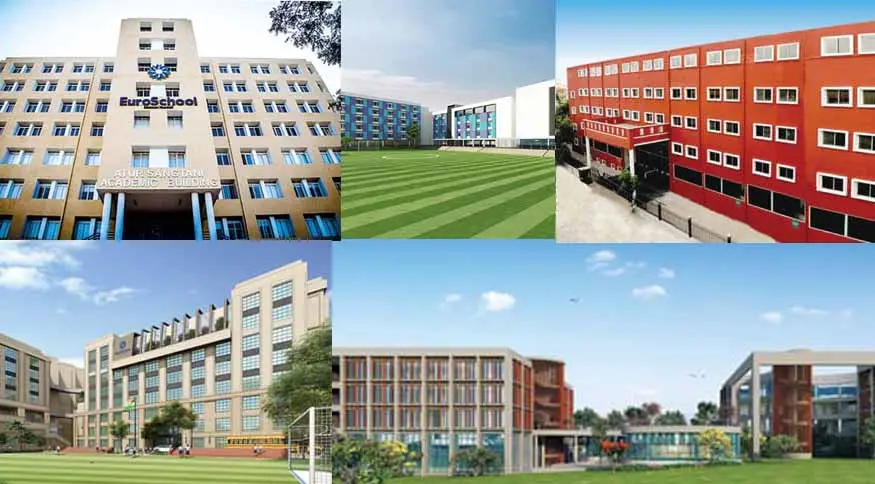
Traditional teaching methods have stood the test of time, shaping learners across generations with structure, discipline, and clarity. However, the future of education lies not in choosing between tradition and innovation, but in integrating the strengths of both, an approach increasingly seen in CBSE schools in Bannerghatta Road. Schools that successfully balance these methods prepare students to think critically, adapt confidently, and thrive in an ever-changing world. At EuroSchool, education is designed around this balance-combining strong academic foundations with modern teaching practices to create an inclusive, future-ready learning environment.
If you’re seeking a school that respects tradition while embracing innovation, explore the EuroSchool admission process and discover how holistic education can empower your child for tomorrow.