
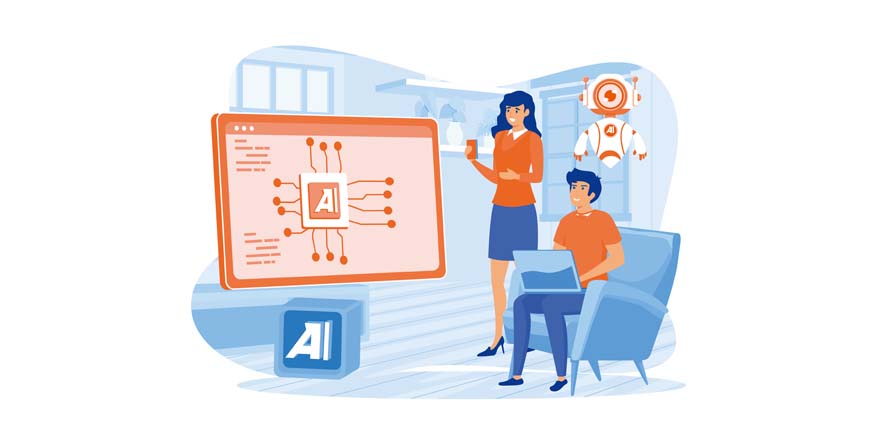
AI in education is more than a trend; it’s a game-changer in today’s rapidly changing digital world. Imagine a classroom where learning becomes an individually tailored journey, lessons adjust to each child’s pace, and feedback is provided instantly.
That’s no longer a vision of the future; it’s here already. With intelligent learning tools, young students are getting the edge they need to thrive in an evolving competitive world.
AI is not just enhancing how children learn – it’s revolutionising the entire education sector. Let’s explore how these innovative developments are changing classrooms and why it’s vital nowadays to understand the role that artificial intelligence plays in education.
The Rise of AI in the Education Sector
AI-powered platforms are rapidly emerging in schools, providing educators with real-time insights into student performance. They are better able to spot learning gaps and modify lessons efficiently. These platforms are revolutionising the education sector by simplifying administrative tasks, grading assignments, and even customising learning materials based on each student’s needs.
The Advantages of AI in Education: What Makes It So Effective?
The advantages of AI in education are both immediate and long-term. Here are a few standout benefits:
- Customisation: AI systems adapt content based on student performance, ensuring no one is left behind.
- Time-Saving Tools: Teachers can automate administrative tasks and focus more on creative, hands-on teaching.
- 24/7 Availability: Learning doesn’t end after school – AI tools provide continuous support and learning opportunities.
- Data-Driven Insights: Real-time feedback helps educators adjust lesson plans and parents stay informed.
- Gamified Learning Tools: Platforms like Duolingo use AI to make learning feel like play, increasing engagement.
- Efficient Grading: Automated systems assess multiple-choice tests and even short answers, saving teachers hours of work.
These AI-driven learning tools are more than technological upgrades – they’re learning companions for the next generation.
How AI Helps in Education: A New Era of Learning
One of the biggest breakthroughs is how AI helps in education by providing instant feedback. Tools like Grammarly and AI-driven language platforms can instantly correct grammar, offer suggestions, and explain complex rules.
AI also enables virtual tutors available 24/7, helping students tackle problems on their own schedule. This independence builds confidence and makes learning less stressful, especially for students who may be hesitant to ask questions in class.
Learning Tools Powered by AI: A Boon for Young Minds
AI-powered learning tools are now commonplace in classrooms. These tools adapt to each learner’s pace, identify strengths and weaknesses, and deliver content that aligns with their cognitive style.
Examples include:
- Smart Reading Assistants: Apps that listen to students read aloud and offer real-time corrections.
- Adaptive Quizzing Platforms: Quizzes that change difficulty based on student performance.
- Interactive Whiteboards: AI-driven boards that recognise handwriting, solve equations, and suggest improvements.
Cool AI Tools You Might Already Be Using at School
Did you know you might already be using AI-powered learning tools without even realising it? These tools are smart, helpful, and designed to make your schoolwork easier and more fun. Let’s look at a few cool examples:
Google Classroom: Teachers use this tool to share assignments, give feedback, and help you stay organised. Behind the scenes, AI helps suggest resources and improve your learning experience.
Grammarly: Whether you’re writing essays or short answers, Grammarly uses AI to check your spelling, grammar, and even suggest better ways to write.
Brainly: Ever searched for answers to homework questions? Brainly uses AI to match your question with the most accurate and helpful answers from its large student community.
Duolingo: Learning a new language? Duolingo makes it fun with AI-powered lessons, games, and reminders that help you practice regularly and stay motivated.
These tools show how AI helps in education by making learning more interactive, personalised, and fun for students like you!
How AI in Education Is Preparing Students for the Future
Think of AI not just as something that helps you now, but as something that prepares you for what’s coming next. As the world changes, the way we learn must change too. And that’s exactly what AI in education is helping with.
By using AI-powered learning tools, students are developing important skills such as:
- Problem-solving: Personalised learning helps you understand concepts better and solve problems on your own.
- Digital thinking: Working with apps and smart tools helps you become comfortable with technology, something every job in the future will need.
- Creativity and independence: With AI giving instant support, you can explore new ideas, try things on your own, and learn in your own way.
- Adaptability: Since AI adjusts to your progress, you learn to be flexible, which is an important life skill.
The importance of AI in education isn’t just about making school easier – it’s about preparing you to succeed in a world where AI, tech, and smart systems will be everywhere. So, by learning with AI today, you’re already building the future.
AI in Education Sector: The Road Ahead
Over the next decade, the use of artificial intelligence in education is expected to grow rapidly. As AI becomes more sophisticated, it will offer even deeper insights into student behaviour, mental health, and academic potential.
This will not only support students but also empower teachers to become facilitators rather than mere instructors, focusing more on creativity, empathy, and critical thinking.
Frequently Asked Questions (FAQs)
Q1. What role does AI play in present-day educational tools?
AI enables adaptive learning, offering personalised experiences that cater to individual student needs and learning speeds.
Q2. How does artificial intelligence improve education for kids with learning disabilities?
AI provides tools like speech-to-text, predictive typing, and visual learning aids that support diverse learning needs.
Q3. What are the key advantages of AI in education?
Efficiency, personalisation, accessibility, and scalability are among the top benefits of AI integration in classrooms.
Q4. Why is the importance of AI in education a hot topic today?
AI addresses major educational challenges such as large classroom sizes, lack of resources, and standardised teaching methods.
Q5. Can AI replace teachers in education?
No, AI supports but does not replace teachers. It enhances their ability to reach and support students more effectively.
Q6. What is the future of AI in the education sector?
The sector is poised for growth, with AI enabling more data-driven, student-centric approaches to teaching and learning.
Explore More on Educational Innovation!
If you’re passionate about the future of learning and want to dive deeper into how technology is shaping education, don’t miss the insightful blogs by EuroSchool. We regularly publish fresh, research-backed content on emerging trends, smart teaching strategies, and student development. Check out the EuroSchool blog here: https://www.euroschoolindia.com/blogs