Children learn as they are exposed to the surrounding world, not by listening, but by acting. This effective, active, practical, and reflective strategy enables young minds to connect the real world with the theories taught in classrooms. This approach forms the foundation for quality understanding, creativity, and lifelong inquiry in early childhood education.
What is Experiential Learning?
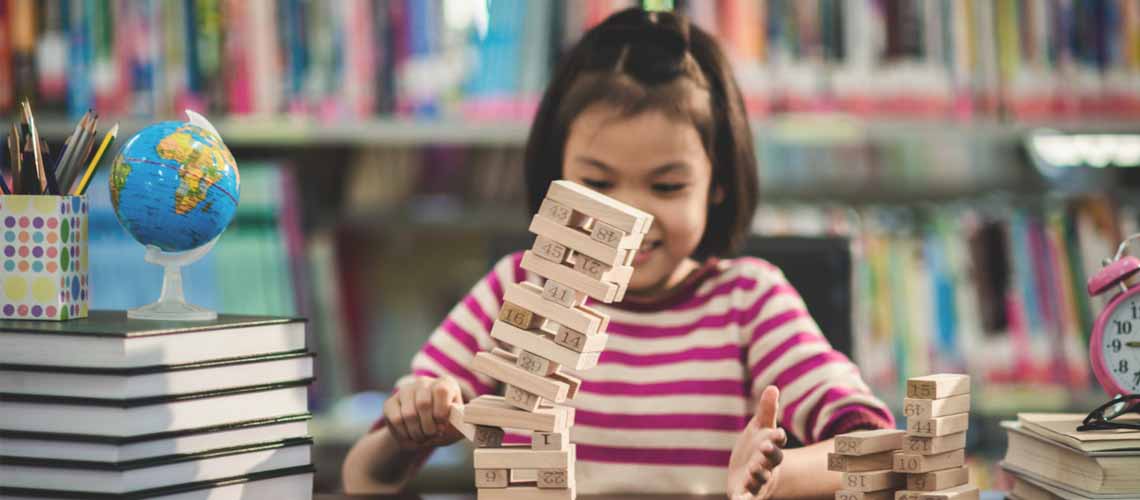
Experiential learning involves children learning through experience. It is not the learning of facts but touching, questioning and finding the answers through engaging with the surroundings. Planting a seed, constructing a block tower, or mixing colours all help them to become stronger in thinking and solving problems.
Why Experiential Learning Matters in Early Education
Early-stage learning is a precursor to lifelong learning. A child at this age is curious and naturally adventurous. Learning by doing is encouraged in schools, and this is when they begin to understand abstract concepts. They do not hear that plants need sunlight in order to grow; they can see and touch it themselves.
Such classroom activities not only accumulate academic competencies but also aid in emotional intelligence, communication, as well as teamwork development. Trial and error, along with discovering outcomes, help build resilience and confidence, which are critical elements of child development.
Key Benefits of Experiential Learning in Early Education
1. Encourages Active Participation
Children learn best when they are directly involved. As opposed to rote memorisation, hands-on learning activities such as painting, sorting, or measuring enable the children to internalise lessons much better. These educational activities among children are those that stimulate their senses, awaken their curiosity, and use any time as a learning experience.
2. Strengthens Critical Thinking
Children are curious and tend to ask questions: Why has this happened? What if I try this instead? Such curiosity leads to deeper understanding and supports problem-solving. Experience learning transforms children into learners and not passive learners, since they do not receive information passively but think and reason.
3. Promotes Emotional and Social Development
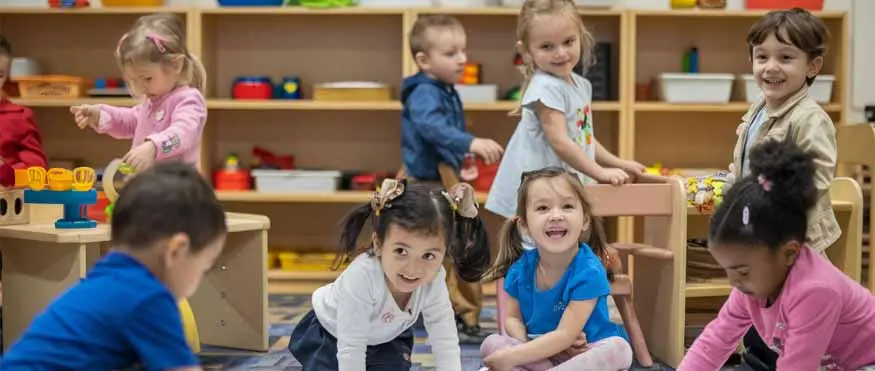
Through group activities in the classroom, children learn the value of cooperation, achievement, and empathy. Learning through play fosters patience, leadership, and teamwork. Such soft skills are important in socialisation and emotional intelligence in the future.
4. Builds Confidence and Independence
It gives children a sense of confidence through experimentation and success even in trivial things. Patience and observation can be learnt even in a simple science experiment like melting ice. Their faith in themselves is reinforced with each minor success.
5. Encourages Creativity and Imagination
Experiential learning nurtures imagination. Through play-based learning and exploration, children come up with creative solutions to problems. When allowed to make choices and explore freely, they think beyond boundaries, which is essential for innovation later in life.
6. Connects Theory with Practice
Children often learn abstract ideas better when they see them in action. For instance, learning about ‘floating and sinking’ through water play makes the concept tangible. This connection between theory and practice strengthens long-term memory and comprehension.
7. Supports Child Development Holistically
Experiential learning supports all areas of child development—cognitive, emotional, social, and physical. When children manipulate objects, engage in storytelling, or participate in outdoor games, they improve fine motor skills, language development, and sensory awareness.
Examples of Experiential Learning Activities for Kids
Here are some fun and effective hands-on learning activities that can be done at home or in the classroom:
• Science Corner: Simple experiments like growing a plant or observing the weather.
• Cooking Together: Measuring ingredients introduces early maths and science concepts.
• Story Dramatisation: Acting out stories improves language and comprehension skills.
• Art Exploration: Using different textures and materials boosts creativity.
• Nature Walks: Observing plants, insects, and animals enhances environmental awareness.
These learning activities for kids stimulate their senses, trigger their curiosity, and make any moment an opportunity to learn.
The Role of Teachers and Parents in Experiential Learning
The teachers and parents also have an important role in ensuring the creation of a conducive environment. Parents can extend learning at home by offering real-life experiences such as gardening, cooking, or visiting museums, and teachers can develop classroom activities that can be examined and discussed.
Children develop a lifelong love of learning when both school and home environments support learning through play. This partnership forms the foundation for lifelong curiosity and educational success.
Experiential education makes early education a discovery process. It emphasises meaningful understanding over memorisation and focuses not only on exams but also on life. This method encourages balanced, self-assured, and imaginative students by combining formal education with free play.
At EuroSchool, we believe in the power of experiential and play-based learning. Our curriculum combines hands-on classroom activities, interactive experiments, and real-world exploration to make early education joyful and effective.