The most formative period is early childhood, from birth to about six. It shapes how a child thinks, communicates, and reacts to the world. The insights and experiences in these years influence growth and social interactions. Home activities, preschool experiences, and even simple play all help cognitive and social development.
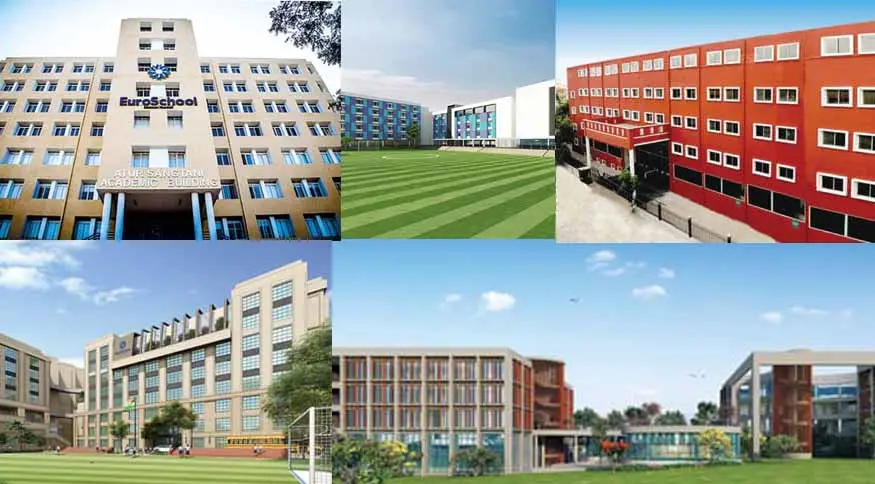
At EuroSchool Bangalore, learning starts well before formal schooling. Curriculum based preschool programmes and hands-on experiences bring up inquisitive, imaginative, confident children. These undertakings do not just prepare them for school; they build a lifelong passion for learning, flexibility, and empathy for life.
Understanding Early Childhood Development
Early childhood development has two strands which are intimately connected and they are cognitive and social emotional. Cognitive development is the way children think, investigate and reason, memory, reasoning, imagine and language. They develop social emotional relationships through social emotional development.
The two are inseparable. In a group game a child learns more than counting or following rules. He or she practises sharing, turn taking, cooperation and empathy. In the early years these skills grow side by side and strengthen each other.
Cognitive Development: Building the Brain Through Play
The first five years bring rapid brain growth. Every sound, texture, and experience helps form neural pathways. Sensory-rich activities that spark curiosity and exploration are key to building mental capacity.
- Sensory Play: Learning through Touch and Exploration
Simple play with sand, clay, or water teaches cause and effect, volume, and texture. These exercises develop fine motor skills and practical knowledge of how the world functions. - Storytelling and Language Games: Developing Communication
Stories and pretend play grow imagination, vocabulary, and comprehension. At EuroSchool Bangalore, reading corners and storytelling sessions support language growth and confidence. - Problem Solving Games and Puzzles: Building Critical Thinking
Puzzles, blocks, and matching games strengthen logic, planning, and perseverance. Fitting pieces or stacking without a fall builds spatial reasoning and focus. - Creative Arts and Music: Encouraging Imagination
Drawing, painting, singing and rhythm play encourages self expression as memory, attention and listening are developed. Music favors pattern and rhythm awareness, which are useful in the future in reading and maths.
Also Read – Understanding the Role of Extracurricular Activities at EuroSchool and Other Top Schools in Yelahanka
Social Development: Learning to Connect and Collaborate
Cognitive skills assist a child to think and reason, whereas social development teaches them to interact, empathise and establish a relationship. During early childhood, children start to realize the sense of belonging to a group, sharing, as well as respecting the feelings of others.
- Group Play and Cooperation
- Emotional Expression and Empathy
- Role Play and Dramatic Activities
- Outdoor Play: Learning from Nature and Movement
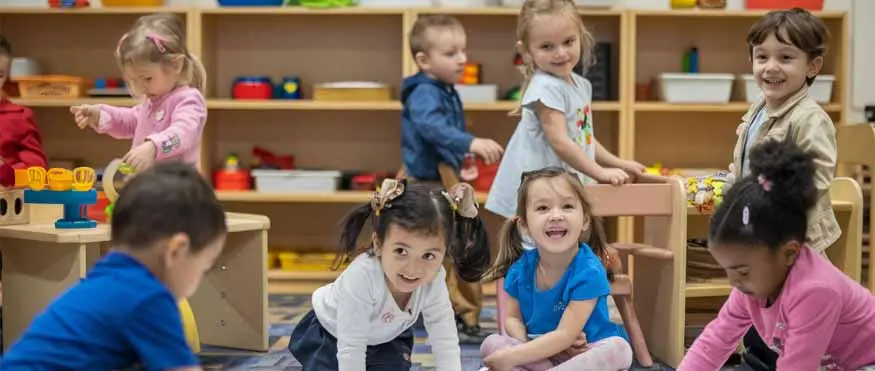
Playing with groups instructs the children in cooperation. As children cooperate to create something or even play a collective game, they get to know how to compromise, communicate, and find a solution as a team. Such are the foundations of teamwork and leadership.
Awareness and regulation of emotions are some of the areas of social development. Interactions that enable the children to express their emotions or explain how other people may be feeling enable them to become empathetic. Circle-time conversations are effective moments in classrooms when children are taught how to speak with feelings and be able to listen to others.
Pretend play allows children to explore real-world experiences in a safe and imaginative way. When a child pretends to be a doctor, teacher, or parent, they are experimenting with social roles, language, and responsibility. It helps them understand how people relate to one another in daily life.
Outdoor play gives children freedom to move, explore, and cooperate. Whether it’s running, climbing, gardening, or playing a group sport, children learn about teamwork, resilience, and appreciation for nature. These experiences build confidence and problem-solving skills in ways that indoor play often cannot.
The Importance of Early Education
The process of early education is home to school. It gives children a safe, conducive environment where they gain knowledge on how to express themselves and share ideas and learn how to communicate with others. In EuroSchool Bangalore, preschool programmes are not about studies. They are destined to contribute to the overall development and children are ready to study and live.
The benefits of high-quality early education are wide-ranging. Children are more attentive, their level of language and numerical skills is higher and emotionally equipped to live in school. They are more inventive, assertive and collaborative students that are ready to communicate with this world.
The Role of Teachers and the Learning Environment
Teachers shape early experiences. At EuroSchool Bangalore, they act as facilitators, offering gentle guidance, practical support, and emotional care while giving children room to explore with curiosity. Classrooms are set up with sensory corners, reading areas, and outdoor spaces to support both mind and body.
When children feel safe and valued, they try new things. Teachers who model kindness, patience, and curiosity help children grow those same habits, laying early foundations for emotional intelligence.
Integrating Cognitive and Social Development
Social development and cognitive development co-operate. Communication assists children to think and solve problems and reasoning and planning will assist them to develop social awareness and empathy.
EuroSchool Bangalore uses experiential learning to blend both. Storytelling, group art, and simple science play invite creative thinking while children interact. This balance grows intellectual skill alongside emotional understanding.
Conclusion: Building the Foundation for Lifelong Growth
Childhood is more than play. The right activities build life skills that carry beyond the classroom. Through creative play, guided exploration, and warm relationships, children learn to think carefully, speak clearly, and relate with empathy.
At EuroSchool Bangalore, preschool is treated as a vital stage. By joining cognitive and social learning in joyful, purposeful ways, the school nurtures confident learners ready for the world. Significant early education does not just equip children to be prepared to go to school but also to live.