The first few years are often called the foundation years. Brains grow fast. Habits form. Feelings and friendships take shape. Simple, everyday activities help a child learn how to think, talk, move, and get along with others. Things like building with blocks, listening to a story, playing outside, and making things with their hands all count.
Why early education matters
Good early education sets children up for life. Playful, well-planned settings give them space to explore and try new things. They practise taking turns, using new words, solving small problems, and bouncing back when things are tricky. Over time this builds confidence and readiness for primary school.
Growing the thinking brain
Cognitive development is about how children notice, remember, reason, and plan. The brain is very open to new experiences in the early years, so short, hands on tasks work best.
Try activities like:
- Blocks and loose parts to spot shapes and patterns and to test ideas.
- Story time and talk time to grow vocabulary and imagination.
- Puzzles and matching games to build focus and logical thinking.
- Sorting and counting with buttons, leaves, or toy animals to connect words and numbers.
Learning to get along with others
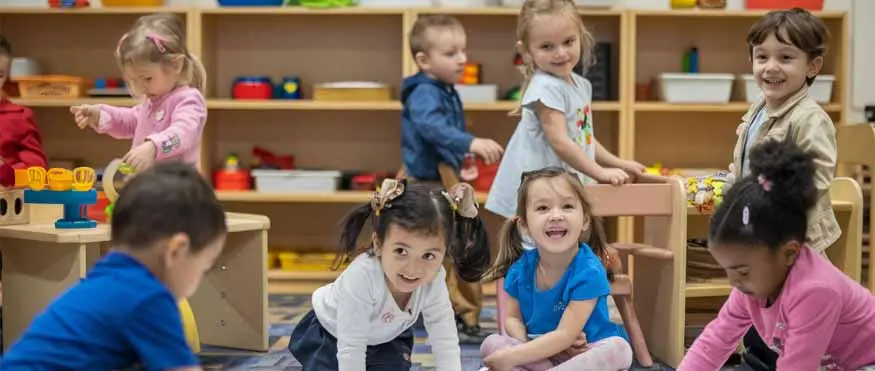
Play is the way children learn about people. In small groups they practise sharing, listening, and taking turns. Adult guidance helps them name feelings and find fair solutions. Over time they learn empathy, patience, and self-control.
Great social starters:
- Circle games that need cooperation.
- Team art where everyone adds a piece.
- Role play such as shop, home corner, or doctor’s surgery to try out real world roles.
What preschool adds
Preschool is more than early academics. It offers steady routines and warm relationships. Children meet gentle challenges in a safe place. That mix helps them:
- Stay curious and creative.
- Grow independence and try things on their own.
- Strengthen language and early number sense.
- Build healthy friendships.
Simple activity ideas for whole child growth
- Sensory play: sand, water, dough, rice trays. Calming, rich for language.
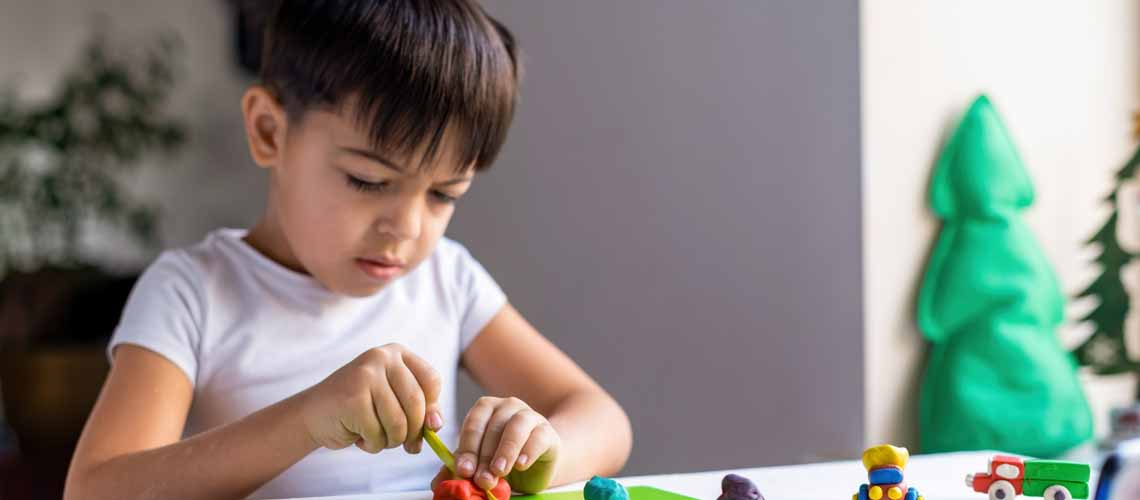
- Art and craft: finger painting, collage, clay. Great for fine motor skills.
- Music and movement: songs with actions, simple rhythms, dancing. Good for memory and coordination.
- Outdoor play: running, climbing, balancing, nature walks. Builds strength and spatial awareness.
- Everyday chores: watering plants, laying the table, sorting laundry by colour. Builds responsibility and maths talk.
The adult’s role
Adults are guides. They set up inviting spaces, notice small steps, and scaffold learning with kind questions. A little feedback goes a long way. Praise effort, not only outcomes, so children learn to keep trying.
Helpful prompts:
- “What do you notice?”
- “What could we try next?”
- “How did you solve that?”
- “Who might need a turn now?”
Habits that last
Skills from the early years stick. Curiosity, empathy, and clear communication help in class and in life. When play has purpose, children learn to love learning. That love makes later challenges feel possible.
Also Read: How to Build Good Reading Habits in Children
Final thoughts
Early childhood activities are small steps that lead to big growth. With play-based learning, gentle routines, and caring guidance, children build both brains and hearts. Investing time and attention now pays off for years to come.
Discover the joy of learning at EuroSchool
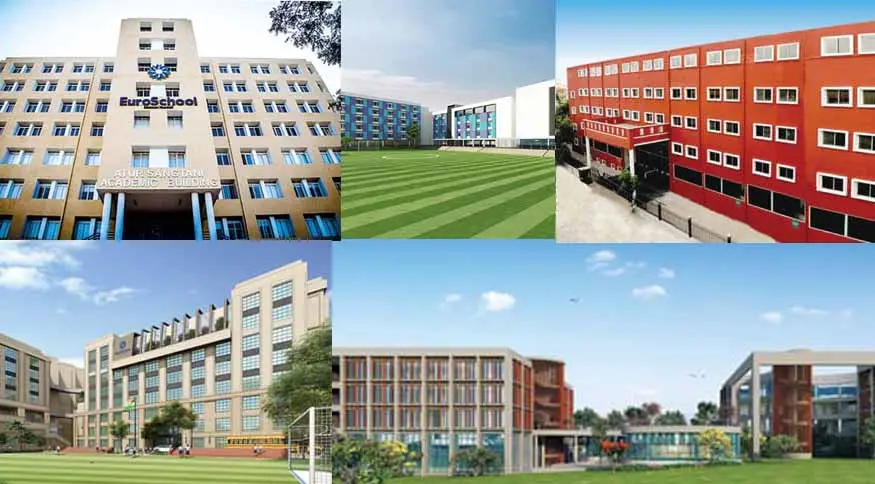
At EuroSchool, children explore through activities that are fun and meaningful. Our approach supports thinking skills, language, creativity, and social growth. We aim to spark curiosity and confidence so each child finds joy in learning every day. Visit EuroSchool to see how we help little learners take strong first steps.