The Everlasting Debate
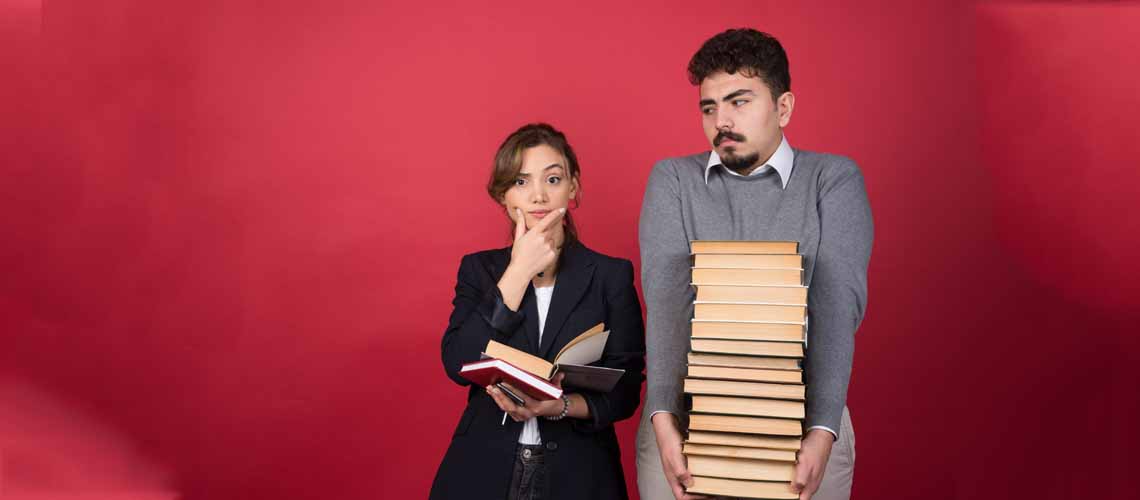
The question of whether education or skills holds more importance has been discussed for decades among teachers, employers, and students. There is an opinion that education is the foundation of success; others view skills as the true key to achievement. The truth is that both are essential and closely linked.
Education and skills are two parts of the same whole. Knowledge and understanding are provided to us by education but using that understanding in practice is made possible by skills. When a person has both, he/she can think clearly, have a purpose in action and adjust to change. The connection has never been more important in a world dominated by technology and global rivalry.
The Foundation of Knowledge
Education is the act of learning, development of the mind and values that make us have a perception of the world. It assists individuals to think, extract meaning and develop intellectually. It opens up science, history, mathematics, and literature and enables people to make wise choices and benefit society.
Core Benefits of Education
Keep these pointer is
- Knowledge and awareness: Education increases knowledge and exposes students to global issues, culture, and diversity. It generates interest in the workings of things.
- Discipline and structure: Habits developed in schools include concentration, time awareness and perseverance. These attributes are important in all spheres of life.
- Critical thinking and reasoning: Through reading, discussion, and reflection, education trains the mind to question, reason, and solve problems with logic.
- Ethical and social growth: Empathy, fairness, and respect are developed through good education, which builds young people into responsible citizens.
Education determines our knowledge and way of thinking. But what good is knowledge unless we make use of it? This is the place where skills come in handy.
Understanding Skills: The Power of Application
Skills are the abilities that let people use what they know in real life. They can be technical, creative, or social, and they define how effectively someone can perform, adapt, and innovate.
Today, communication, teamwork, problem solving, and digital literacy are highly valued. Employers now look beyond degrees to see whether a person can put learning into practice. This shows that knowledge and skill go hand in hand.
The Core Benefits of Skills
Keep these pointer is
- Employability:
Employers value those who can perform tasks and contribute, not just those with certificates. - Adaptability and growth:
Skills such as teamwork, creativity, and flexibility help people adjust to changing work and technology. - Practical problem solving:
Education gives theory, but skills turn ideas into real solutions. - Confidence and independence:
Skilled people often feel more confident because they can rely on their abilities to reach goals.
Skills bring learning to life. Without them, education can feel abstract. Without education, skills lack direction.
Education vs Skills: The Modern Perspective
In the past, education and skills were seen as separate. That difference no longer makes sense. The modern world needs both theory and practice.
– A software engineer needs coding skills and sound mathematical knowledge.
– A teacher needs pedagogy and clear communication with empathy.
– A doctor needs medical knowledge and the skill to diagnose and treat effectively.
Education tells us what to do. Skills show us how to do it. The best professionals succeed because they combine both.
Also Read – What is E-Library: Importance Of Digital Library For Students
The Need for Integration: Merging Knowledge with Skills
Rather than debating which matters more, schools should bring both together. Students learn best when they apply what they know to real situations.
This can happen through:
- Project-based learning: Applying theory in hands-on projects.
- Internships and real-world experience: Exposure to professional settings.
- Skill-based curriculum: Teamwork, problem solving, and communication within subjects.
- Continuous assessment: Emphasising creativity, application, and collaboration.
This approach makes education active, relevant, and lasting.
Global Context: What the World is Doing Right
Countries such as Finland, Singapore, and Canada blend academic knowledge with practical learning. Their systems encourage questioning and cooperation, providing students with knowledge as well as preparation for life.
Organisations like UNESCO and the OECD also support competency-based learning, strengthening core knowledge while building life skills such as empathy, creativity, and adaptability.
The objective is not only to come out with graduates but to mould thinkers and lifelong learners who can confront the world with confidence.
The Indian Perspective: From Theory to Practice
The education system in India was exam-based and more of a memorisation system over many years. Although this created a good foundation, it did not allow much room to be innovative and learn practically.
The National Education Policy 2020 encourages experiential and multidisciplinary learning, vocational training, and a focus on digital literacy, creativity, and problem solving.
Schools are now encouraging STEM, coding, art and entrepreneurship. This change acknowledges that the future lies in the hands of learners who can practise what they know as opposed to memorising them.
Also Read – Introduction to the 7 Continents of the World for Kids
The Perfect Balance: Knowledge Empowers, Skills Execute
Education and skills should never compete; they complement each other. Education without skills remains too theoretical, while skills without education may lack understanding.
When put together, they result in well-rounded individuals capable of thinking and acting.
For instance, a student of environmental science learns about climate change and takes part in sustainability projects. A business student studies market theory and practises negotiation and leadership in simulations.
The result of this mixture is innovators and problem solvers prepared to confront the contemporary world.
The Power of Learning and Doing
The question of what matters more has one real answer. Both are essential. It is education that builds the mind, skills that build the hands that shape the future. They assist in learning, adapting, and leading.
Education helps us understand why something is important. Skills help us make it happen. Without one, the other remains incomplete.
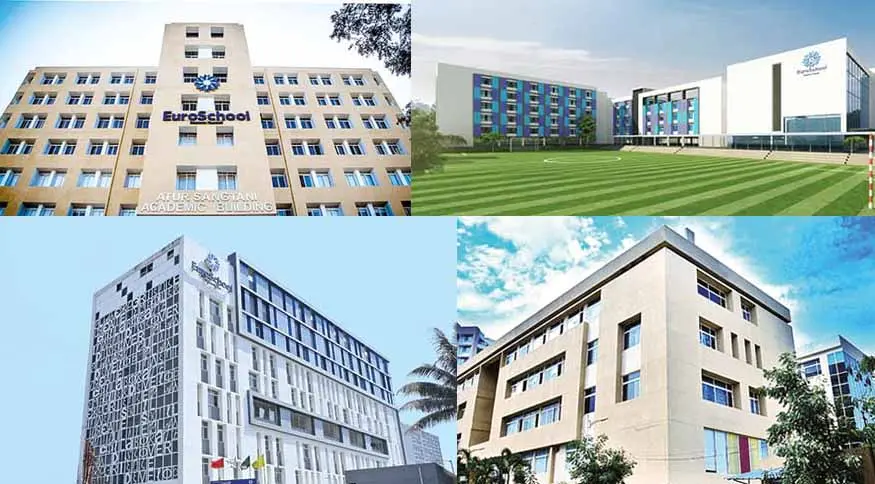
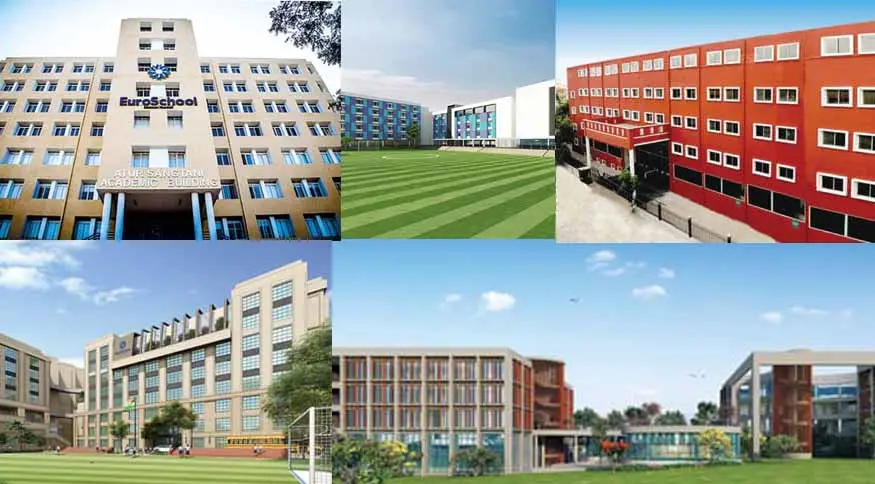
At EuroSchool Bangalore, this belief shapes learning. The school combines academic excellence with practical projects, digital literacy, and creative programmes. Students are encouraged to explore, apply, and innovate so they are prepared for higher studies and life beyond school.
True education is not about choosing between knowledge and skills. It is about mastering both to build a future that is informed, capable, and full of purpose.