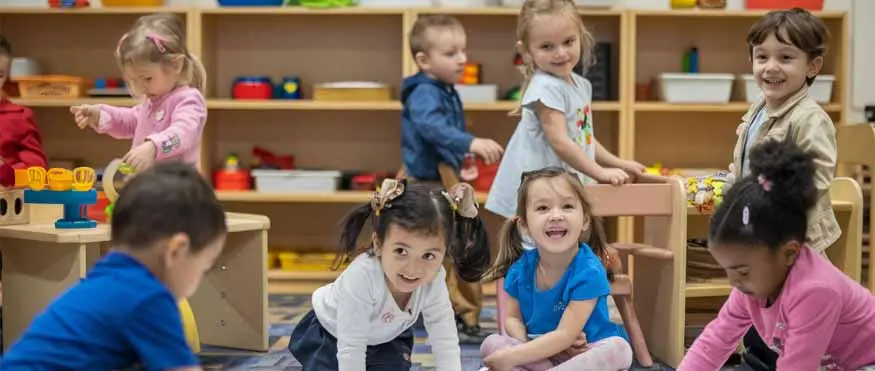
Teaching children about good touch and bad touch is one of the most important lessons in early education and parenting. It is essential in getting children to know their own bodies, identify scenarios that could be unsafe, and communicate when something does not feel comfortable.
When this subject is presented in a non-threatening, age-appropriate, and loving manner, it leaves children with a very high level of awareness and confidence. This type of learning does not instil fear in children; instead, it makes them feel safe and nurtured.
It also teaches them that their comfort and safety are valued and should never be compromised. Children are born curious, but they also need adults to help them out. Open conversations about personal safety equip children and provide them with the means to learn about boundaries and to realise that their emotions do matter to parents and teachers.
Such discussions make children understand that they should never be afraid to ask questions and seek help. This is one of the major components of assisting children to develop in a safe and secure surrounding where they feel that they are important and heard.
What Is a Good Touch?
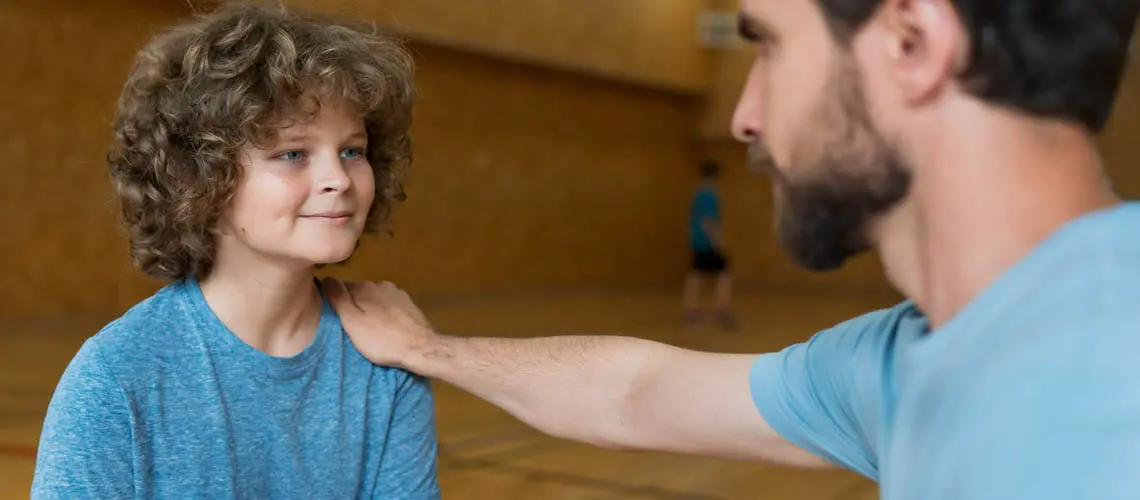
A good touch is that touch that gives a child a sense of security, comfort, and care. It is administered in a compassionate and respectful manner and it does not cause fear, pain, or misunderstanding.
A good touch:
- Makes a child feel safe and loved
- Is gentle and caring
- Does not make a child uncomfortable
Examples of good touch include:
- A hug from parents or caregivers
- A pat on the back for encouragement
- Holding hands when crossing the road
Good touch helps children feel supported and emotionally secure. It makes them feel that they are treasured and taken care of.
Also Read: Advantages & Disadvantages of Rote Learning
What Is Bad Touch?
A bad touch refers to a touch that causes the child to feel uncomfortable, scared, or confused. It goes against personal boundaries and may be meant to be kept secret.
A bad touch:
- Makes a child feel uneasy or afraid
- Crosses personal boundaries
- Is not wanted or feels wrong
A bad touch may be caused by anybody, familiar or otherwise. Children should know that it is relevant not to ignore something that does not feel right. Children should also understand that bad touch is not their fault.
Why Is It Important to Teach Good Touch Bad Touch to Kids?
Educating children on good and bad touch provides protective services and also instils confidence.
It:
- Helps children understand personal boundaries
- Allows them to recognise unsafe behaviour
- Encourages them to speak up
- Reduces the risk of harm
- Builds trust between children and adults
When children understand these ideas, they are more likely to seek help and feel safe doing so.
10 Important Points on Good Touch and Bad Touch for Kids
1. Your Body Belongs to You
Children are supposed to understand that their body belongs to them. They also have the right to refuse anything that seems to touch them when uncomfortable.
2. Good Touch Makes You Feel Safe
A good touch makes you feel happy, calm, and protected.
3. Bad Touch Makes You Feel Uncomfortable
If something feels wrong, it probably is.
4. No One Should Touch Private Parts
Private parts are private. Only trusted caregivers may touch them for health or hygiene reasons.
5. Secrets About Touch Are Not Okay
If someone asks a child to keep a touch secret, it is a warning sign.
6. Say No Loudly and Clearly
Children should feel confident saying no and moving away.
7. Tell a Trusted Adult
Children should know who they can talk to.
8. It Is Never Your Fault
Children should never blame themselves.
9. Keep Telling Until Someone Listens
If the first adult does not help, tell another.
10. Trust Your Feelings
Feelings are an important safety signal.
Also Read: 12 Advantages and Disadvantages of Technology in Education
How Parents Can Talk About Good Touch and Bad Touch
Parents can:
- Use simple words
- Stay calm
- Encourage questions
- Talk regularly
These conversations help children feel safe and supported.
Role of Schools in Teaching Personal Safety
Schools help by:
- Teaching safety in class
- Creating safe environments
- Training teachers
- Encouraging open talk
Common Myths About Good Touch Bad Touch
- Only strangers are unsafe
- Talking creates fear
- Children already know
These ideas are incorrect. Awareness protects children.
Empowering Children Through Awareness and Trust
Being able to have honest conversations with children about personal safety creates a sense of trust and understanding. Children express their concerns more easily when they know they will be listened to without judgement.
Harmless and straightforward conversation can eliminate confusion and fear, allowing children to be more inclined to identify what is good and what is bad. This also helps them to understand that their feelings are important and should never be ignored.
Schools support this learning by providing clear guidance and a safe space where children can speak up. When teachers are trained to handle these topics sensitively, students feel more comfortable asking questions and seeking help. Repeated lessons also help children remember important safety rules.
Together, parents and schools create a strong safety net. This collaboration will make sure that children grow up knowledgeable, assured, and capable of defending themselves in all sorts of situations.
Teaching bad touch and good touch keeps kids out of trouble and secure. It enables them to know their limits and have the heart to voice out when something seems awkward or disorienting. When children know they will be listened to and believed, they feel more secure in sharing their worries or questions.
Progressive institutions like EuroSchool support personal safety through education, open communication, and caring environments. By working closely with families, EuroSchool helps children feel respected and protected. Teachers and staff are trained to create a safe space where children can express themselves freely. This shared approach builds trust and ensures that every child grows in an environment that values safety, dignity, and emotional well-being.
Also Read: Challenges In Quality Education And Ways To Improve It