Have you ever noticed how your child seems more cheerful, energetic, and attentive after playing outdoors? That is because exercise does not only make the muscles strong but the brain is also strengthened! In the modern screen-based and sedentary age, the simplest and most effective method of enhancing focus, concentration, and total learning power is physical exercise among students.
Let’s explore how staying active benefits your child’s body and mind and how you can make exercise a natural part of their healthy lifestyle.
1. Why Exercise Is Essential for Children
Exercise isn’t just about running around or playing sports; it’s a vital foundation for healthy growth, self-esteem, and emotional stability.
Benefits of Exercise for Kids:
- Builds stronger bones and muscles
- Improves posture and flexibility
- Enhances coordination and balance
- Boosts mood and reduces anxiety
- Improves memory and learning ability
- Encourages teamwork and discipline
2. The Link Between Exercise and the Brain
It has been proven that exercise has a very close relationship with the brain. Children do not take long to move their hearts and pump more blood with oxygen to the brain. This enhances focus, concentration and problem-solving skills.
Here’s what happens during exercise:
- Endorphins released in the brain make the person feel better
- It elevates dopamine and serotonin to make one focused and happy
- The brain is stimulated to create new cells which enhance memory and creativity
3. Exercise and Academic Performance
When your child cannot sit still or concentrate in a classroom, exercise can be of huge help. Research shows that active children tend to perform better academically, as physical activity enhances focus, memory, and emotional stability.
Even 15 minutes of playing can refresh the mind of a child and enhance the level of concentration.
4. Types of Exercises That Improve Focus
Exercise doesn’t always mean workouts! Here are some fun and effective forms of exercise for students:
- Aerobic Exercises – Running, cycling, dancing; increase energy and alertness
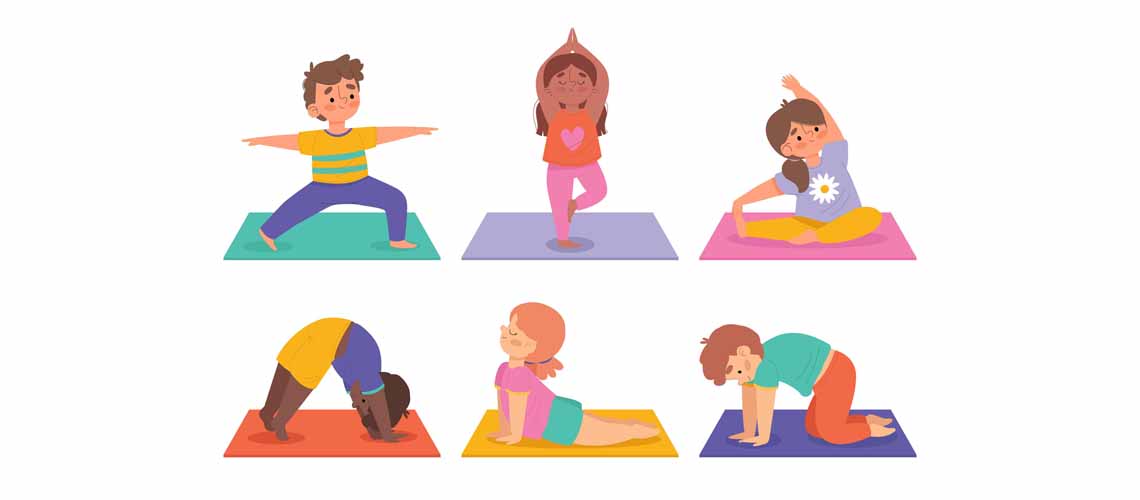
- Yoga and Stretching -Enhance calmness and breathing.
- Activities of coordination – Throwing, catching, balancing
- Team Sports – Build teamwork, quick thinking, and discipline
- Outdoor Play – Stimulates the mind and body naturally
5. How Much Exercise Do Kids Need?
WHO recommends that children aged 5-17 years should have at least 60 minutes of moderate to vigorous physical activity exercises every day. It can also comprise 30 minutes of outdoor play, 15 minutes of walking or cycling and 15 minutes of yoga or dancing.
6. How Exercise Helps Build Focus Step-by-Step
- Increased Blood Flow – More oxygen to the brain
- Improved Cognitive Processing – Faster Processing of information
- Better Energy – Less tiredness, greater vigor
- Stronger Discipline – Builds consistency and goal-setting
- Emotional Balance – Reduces anxiety, improves mood
7. Active Learning: Movement Meets Education
The contemporary classrooms promote the active learning of children through active exercises coupled with studies. Examples include using movement for counting, acting out stories, and building science models. This enhances attention, interest and recall.
8. Fun Exercise Activities for Home and School
At Home:
- Family dance sessions
- Yoga mornings with music
- Indoor obstacle courses
- Walks after dinner
At School:
- Brain breaks during lessons
- Sports clubs and playground games
- Body conscious classroom games such as “Stretch & Spell”
9. The Mental and Emotional Benefits of Staying Active
Exercise is not only a way of enhancing focus, but also creates emotional stamina and self-confidence:
- Reduces anxiety and stress
- Improves sleep quality
- Boosts self-esteem
- Encourages social bonding and teamwork
10. How to Make Exercise a Habit for Kids
Tips for Parents:
- Make activity part of daily routines
- Be a role model, play together
- Set small, fun fitness goals
- Replace screen time with outdoor time
- Celebrate effort, not just results
11. Quick Recap
Benefit | How Exercise Helps
- Concentration and Focus Oxygen supply to the brain is increased.
- Academic Success Enhances memory and attention.
- Emotional Health Mood booster and anxiety reliever.
- Physical Development Gains strength and co-ordination.
- Healthy Lifestyle Promotes discipline and self-care.
12. How EuroSchool Promotes Kids’ Health and Fitness
At EuroSchool, we incorporate physical activity into daily learning. Our programs include fitness sessions, yoga, outdoor play, and wellness lessons to promote a healthy lifestyle for kids.
In this combination of learning and studying, EuroSchool makes sure that every child becomes physically healthy, emotionally stable and mentally alert.
Conclusion
Exercise is not only about being fit, it is the basis of being more focused, with a better memory and being happier. Parents and teachers help to sharpen the wits and build stronger bodies by promoting play and physical activity every day.
Visit EuroSchool to discover how we combine play, learning, and fitness to help children grow active, focused, and confident both inside and outside the classroom!