Healthy Students Make Better Learners
Healthy children focus more, attend regularly, and feel confident. That is why schools now give wellbeing the same care as academics. Since pupils spend most of the day at school, it is the best place to build good habits and track health. Simple check-up camps spot issues early and teach hygiene, nutrition, and fitness, helping children form lifelong habits for a strong body and mind.
1. The Importance of Health Check-Ups for Students
Regular check-ups help schools and parents detect any physical or developmental concerns at an early stage. Preventive care is always better than treatment later.
Why Health Check-Ups Matter
- Spots eyesight, teeth, and nutrition worries early
- Helps pupils stay switched on in class
- Fewer days off sick
- Encourages simple everyday healthy habits
- Keeps parents informed
These check-ups encourage children to take responsibility for their own health and understand the value of staying fit.
2. What Are School Health Check-Up Camps?
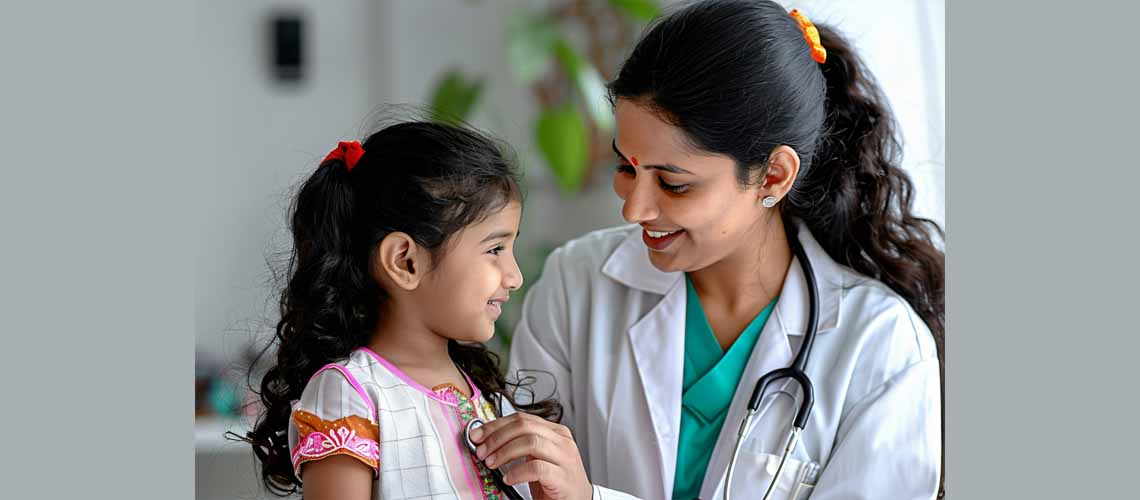
School health check-up camps are simple on-site screenings run with friendly local doctors or nurses. They give a clear picture of each child’s health, body and mind.
What they aim to do
- Keep an eye on growth and development
- Catch small health or nutrition issues early
- Teach easy, everyday prevention and self-care
- Nudge pupils towards healthy routines
- Keep tidy health records for parents and school
They make school a safer, healthier place to learn.
3. How Schools Organize Health Check-Up Camps
Health camps need planning and teamwork. Schools usually work with doctors, nurses, or NGOs to ensure the process is smooth and efficient.
Step-by-Step Process
- Plan and coordinate
Pick trusted medical partners, decide the screenings, set the date, and send clear notes to parents for consent and medical history. - Set up health records
Give each child a health card to note height, weight, BMI, eyesight, and general checks. Compare year on year to spot changes early. - Prepare the space
Turn a hall or a few classrooms into zones for eyes, teeth, general checks, and ENT. Keep the flow simple, clean, and well signposted. - Run the examinations
Doctors and nurses check:- General health and growth
- Vision and hearing
- Dental hygiene
- Posture and spine
- Nutrition and BMI
- Emotional well-being for older pupils
- Offer quick guidance
Short, friendly talks on hygiene, movement, balanced eating, and caring for feelings. - Share reports and follow up
Send easy to read reports to parents with next steps. If needed, suggest a specialist and help families with referrals.
This approach turns a camp into steady, year round care instead of a one off activity.
Also Read – What is Emotional Safety?
4. The Role of Teachers and Staff in Student Health
Teachers are usually the first to notice when a child looks tired, distracted, or unwell. Their role goes beyond academics and includes observing and supporting students’ well-being.
Teachers Help By
- Watching for signs of stress or illness.
- Encouraging proper hydration and posture in class.
- Creating a friendly, caring atmosphere.
- Communicating with parents or counselors when needed.
Teachers act as important links between health professionals, students, and families.
5. Health and Wellness Activities in Schools
Modern schools look after the whole child, not just marks. Alongside check-ups, they build healthy habits in simple, fun ways.
Wellness activities
- Morning movement like yoga, stretching, or a short meditation
- Quick chats on smart eating and staying hydrated
- Hands-on hygiene tips for handwashing and teeth care
- Mindfulness moments to handle stress and feelings
- Regular sport and games for stamina, teamwork, and joy
These routines make health a normal part of everyday school life.
Also Read – Understanding Maps and Globes: A Simple Guide for Kids
6. The Role of Parents in School Health Programmes
Parents play a major role in keeping school health efforts consistent at home. Their involvement ensures that good habits are continued beyond the classroom.
Parents Can Support By
- Sharing complete and accurate health information with schools.
- Following up on any medical advice after check-ups.
- Promoting nutritious meals, regular sleep, and reduced screen time.
- Encouraging daily hygiene and exercise routines.
When parents and schools work together, children feel supported and guided in every aspect of their growth.
7. Long-Term Benefits of Health Check-Up Camps
Regular check-ups go far beyond routine testing. They teach students the value of caring for their bodies and minds.
Long-Term Advantages
- Early detection of health conditions.
- Improved attendance and concentration.
- Greater confidence through physical fitness.
- Comfort with medical settings from a young age.
- A generation that views health as part of success.
Schools that hold health check-up camps consistently often see a noticeable improvement in students’ overall well-being and classroom participation.
Also Read – How to Learn About Electricity and Magnetism
8. Government and NGO Support for School Health Initiatives
In India, both government and non-profits work together to support student health and make care easier to access.
Key programmes
- National School Health Programme supports regular check-ups and health awareness in schools
- Ayushman Bharat School Health Programme trains teachers to act as Health and Wellness Ambassadors
- NGO health camps from groups like Smile Foundation and CRY bring free check-ups and hygiene kits to schools
Together, these efforts help children in cities and villages get the care and guidance they need.
9. Common Challenges in School Health Programmes
While health camps are effective, schools can face challenges such as:
- Lack of access to medical experts in smaller towns.
- Limited follow-up after initial reports.
- Budget constraints for smaller institutions.
- Limited awareness about mental health inclusion.
To overcome these issues, schools build partnerships with local hospitals, public health departments, or corporate sponsors to make their initiatives sustainable.
A Healthier Future Begins in Schools
Schools shape not just minds but overall well-being. Regular health check-up camps and wellness programmes help children understand the value of staying healthy and build habits that last a lifetime.
A student’s well-being directly affects their ability to learn and grow. Schools like EuroSchool show how regular health screenings, awareness sessions, and wellness activities can create confident, active, and balanced young individuals who are ready for a bright and healthy future.