Education shapes how people live, work, and contribute to society. As the world transforms, the expectations of learners change with it. In the past, schooling centred on knowledge, such as facts, theories, and core concepts. Skills such as problem solving, creativity, collaboration, and adaptability are equally important in today’s world because of the growing technological advances and international competitiveness.
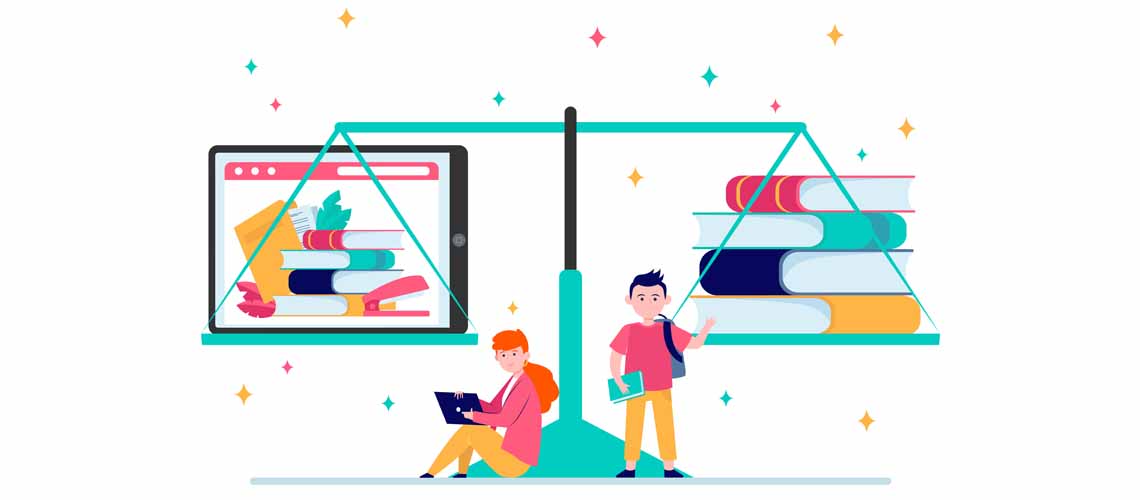
Should the education system be based on knowledge or skills? The truth is that both are necessary. Experience is the accumulation of knowledge. That knowledge is transformed into practice by skills. A contemporary system must be balanced in a manner that learners are able to think, communicate and come up with useful solutions.
Knowledge-based education: building the foundation
Knowledge based education lays focus on the ideas and facts that form the foundation of every subject. It provides a solid foundation to the students and a broader perspective of the way the world operates.
This approach focuses on the what and the why. At school, students learn about forces, energy and atoms. They are taught in history how societies were moulded by events. They feature in literature in terms of themes, style, and culture. This experience enhances reasoning, judgement and evaluation of claims.
Advantages of knowledge-based learning
Put these points in
- Critical thinking. A sound knowledge base helps students analyse information and make informed choices.
- Cultural and intellectual awareness. Through literature, history, and philosophy, learners connect with human stories, ideas, and achievements.
- Academic discipline. Knowledge study builds careful reading, precise writing, and logical habits of mind.
- Foundation for innovation. New ideas usually grow from what is already known. To innovate, students must first understand existing theories and methods.
Knowledge in itself can however be abstract. The learners may not know how to do things when they have no practice on the same. Knowing that never leaves a page may turn into memorisation to pass exams but not learning to live.
Skill-based education: learning through application
Skill-based education is about applying knowledge in real contexts. It answers the how. Students build communication, teamwork, problem solving, digital fluency, and resilience.
In a skills classroom, learners carry out experiments, design projects, take part in discussions, and work with community partners. They learn to plan, test, reflect, and improve.
Core twenty-first century skills
- Critical thinking and problem solving. Students examine situations, weigh options, and choose sound approaches.
- Communication and teamwork. Group tasks build clarity, listening, negotiation, and shared responsibility.
- Creativity and innovation. Learners experiment, take sensible risks, and try fresh ideas.
- Adaptability and emotional intelligence. Students learn to manage change, handle feedback, and work well with others.
- Digital literacy. Confident use of digital tools is now as important as reading and writing.
Examples in practice
In science, students design and run investigations rather than only reciting formulas.
In languages, they give talks, tell stories, and debate current issues.
In business or economics, they analyse cases that mirror market decisions.
These experiences make learning active and relevant, and they show students how to use knowledge well.
Limits of focusing on skills alone
A skills only approach has drawbacks.
- Lack of depth. Without firm knowledge, ideas can drift or become inaccurate.
- Resource needs. Practical learning often requires equipment, time, and trained staff, which are not equal across schools.
- Assessment challenges. It is hard to measure creativity or collaboration with full fairness and reliability.
Skills need knowledge beneath them, just as practice needs principles behind it.
Also Read – Introduction to the 7 Continents of the World for Kids
Finding the balance
The best systems blend knowledge with skills and link classroom ideas to real problems. Knowledge provides structure and vocabulary. Skills provide practice and impact. Think of knowledge as the roots and skills as the branches. Strong roots feed healthy growth. Strong branches show the tree at work in the world.
A few examples show the point. Knowledge of physics explains motion and energy. Skills in design let a student build a working prototype. Knowledge of grammar explains how sentences fit together. Skills in writing and speaking let a student persuade an audience.
When both strands are taught together, learning is richer, more memorable, and more useful.
What experts and high performing systems suggest
International groups such as UNESCO and the OECD call for learning that joins subject depth with transferable skills. UNESCO’s Education 2030 agenda highlights lifelong learning that blends core knowledge with creativity, empathy, and collaboration.
Countries such as Finland, Singapore, and Canada have moved towards inquiry, projects across subjects, and real world tasks, while keeping strong academic standards. These approaches suggest that students do better when they can both understand and apply what they learn.
Also Read – What is E-Library: Importance Of Digital Library For Students
The Indian context: from rote learning to real understanding
India has long valued high academic content and exam results. As industries change and automation grows, there is a clear need to move beyond memorisation. The National Education Policy 2020 encourages experiential and competency based learning. It promotes critical thinking, creativity, digital skills, and strong basics in every subject.
Schools are adding project work, STEM pathways, internships, and club activities that connect study to life. The aim is to shift from only knowing to confidently doing.
Building a future ready system
To stay relevant, education should continue to evolve. A future ready approach can:
- Link subjects to real problems in the community
- Reward curiosity and thoughtful questions
- Blend digital tools with classroom teaching
- Train teachers to coach and mentor as well as instruct
- Assess not only memory but also analysis, creativity, and communication
With these steps, students leave school with knowledge they can use and skills they can trust.
The harmony of knowing and doing
Choosing between knowledge and skills is a false choice. Knowledge provides the map; skills enable the journey. Schools that foster both develop people who think, act, and improve the world.
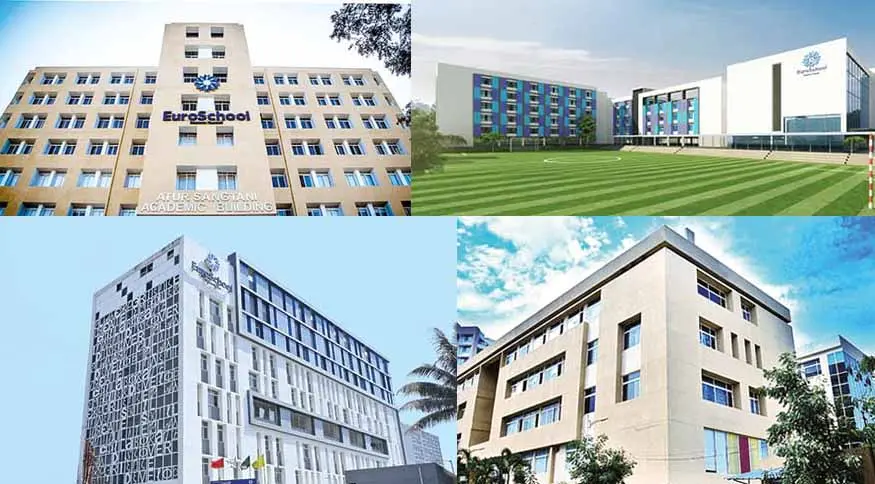
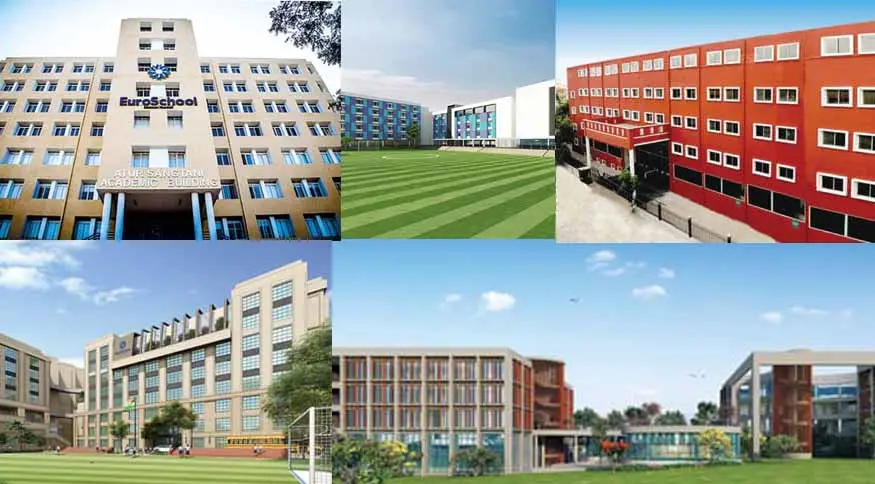
EuroSchool Bangalore follows this approach. Lessons focus on concepts and application, building teamwork, creativity, problem solving, and digital awareness. Uniting ideas with action, learners meet change confidently. In a fast moving world, success comes from learning, unlearning, applying, mastering to build an informed, humane future.