Navratri is a 9 day festival that is celebrated all over India in honour of Goddess Durga and her various forms. By organizing events, which combine faith, culture, art, dancing and community spirit, schools can transform this lively tradition into a learning and fun activity. We discuss the reasons why we celebrate Navratri, how we can celebrate Navratri festival in a school setting and then propose ideas on how to plan celebrations of navratri in school that are fun, inclusive and meaningful.
Why Is Navratri Celebrated? / Why We Celebrate Navratri
Navratri (which translates to nine nights) is observed in honor of the divine feminine power (Shakti) in the person of Goddess Durga. The myth tells that Goddess Durga engaged in a duel with the demon Mahishasura taking place during nine days, killing him on the 10 th day (Vijayadashami). Therefore, the festival is symbolic in terms of the triumph of good over evil, bravery over fear and light over darkness.
Navratri in most places is also related to harvest times, change of seasons and renewal, a time to call blessings to prosperity, health and protection. Each of the nine nights is devoted to one of the avatars of the goddess and is focused on various virtues and energies.
How to Celebrate Navratri Festival (in schools)
The aim of organizing Navratri events in schools is to combine tradition with exciting formats that would be appealing to the students of various age groups. Here are steps and ideas:
- Theme & Planning – Select a theme, designate each day to a lesson, and plan a variety of schedule.
- Opening and Invocation- Start with aarti, discuss the reason why we celebrate Navratri, and give out posters of the nine goddesses.
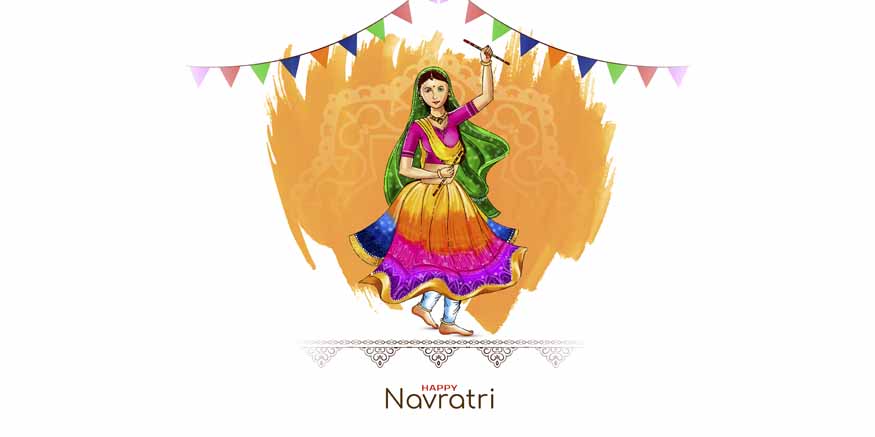
- Cultural Performances – Host Garba and Dandiya Raas, folk dances and costume days.
- Storytelling/drama Skits on the story of goddess Durga, multimedia, or puppet shows.
- Art & Craft Rangoli, diya making, mask making and idol crafting.
- Themed Days – Colour matching as per traditional Navratri colours.
- Educational Tasks – Quizzes, essays and discussions about the symbolism of the goddess.
- Music & Bhajans – Bhajan songs and dance called dhunuchi.
- Community Involvement – Food stalls, charity drives and participation of parents.
- Final Rites – Vijayadashami group with figurative farewell and contemplation.
Navratri Celebration Ideas in School (Quick List)
- Dandiya/garba dancing contests.
- Themed dress-colour days
- Plays and skits about legends of goddesses.
- Storytelling or puppet shows.
- Woodworking (diyas, masks, dandiya sticks)
- Contests: Rangoli and mandala.
- Navratri quizzes or debates.
- Music and bhajans
- Parent-student activities
- Reflection and pledge meetings.
Benefits of Navratri Events in Schools
- Cultural awareness: students know the reason behind the celebration of Navratri.
- The community building: Rituals unite the community.
- Creativity and self-expression: Arts, music and drama.
- Moral lessons: Moral stories focus on right and courage.
- Leadership: Pupils are taught cooperation and organization.
- Happy memories: Festivals build long-lasting relationships.
Conclusion
Navratri functions in schools do not just end up as a celebration but as a learning, cultural preservation, and community-building opportunity. Schools can also incorporate fun activities in their traditional ceremonies, so that students can not only enjoy the festivities, but also get to learn their hidden significance. It is what makes Navratri a wholesome festival of celebration, worship, and education among children.