What is Wrong with the Indian Education System?
India’s education system has a proud history. It has produced some of the brightest minds in science, technology and literature. Yet, even with that legacy, the system still struggles to meet what today’s students actually need.
It’s true that more children go to school now than ever before, but just getting them enrolled is not enough. The real challenge is improving the quality of education and making it modern, practical and fair for everyone.
Here’s a closer look at the biggest problems and how schools like EuroSchool are trying to change things.
1. Too Much Focus on Rote Learning
A major issue is the focus on memorising information. Students often learn facts only to pass exams instead of understanding or applying them. This limits creativity and independent thinking.
Instead of rewarding curiosity, the system values marks. Those who can repeat information often score higher than those who truly understand what they are studying. This discourages deeper learning and creative thinking.
2. Exam-Driven Education
In India, exams tend to define everything. Students are judged mostly by their grades, leaving little space for real learning or personal growth. The constant pressure to perform well in board exams and entrance tests causes stress and takes the joy out of learning.
Skills such as teamwork, problem-solving and communication are often overlooked, even though they matter most in real life. Education in many countries has already shifted towards these skills, and India needs to do the same.
3. Lack of Skill Development
Academic knowledge is important, but practical skills are equally vital. Students need to know how to work in teams, communicate clearly and solve problems. Unfortunately, most schools and colleges still focus on theory instead of hands-on experience.
Because of this, many graduates earn degrees but struggle to find jobs that match their education. The gap between what students learn and what industries expect keeps getting wider in today’s fast-changing world.
4. Outdated Curriculum
Many schools still follow old textbooks and syllabi that have not kept up with the times. The focus remains on traditional subjects, while modern topics such as digital literacy, financial education and sustainability get little attention.
Education should prepare students for the world they are entering. The modern world values technology, environmental awareness and global thinking. The curriculum must evolve to reflect these changes.
5. Inequality in Access and Quality
There is also a wide gap between urban and rural education. Private and international schools often have better infrastructure, trained teachers and modern facilities. Many government schools, on the other hand, still lack basic resources.
This inequality means millions of students do not have access to digital tools, creative learning or qualified educators. Bridging this gap is one of India’s biggest education challenges.
6. Inadequate Teacher Training
Teachers are the foundation of any good education system, but many in India do not get enough training or professional development. Teaching can easily become routine instead of being an inspiring experience.
Regular training, mentoring and exposure to modern methods can help teachers bring energy into the classroom and inspire students to think more independently.
7. Weak Focus on Research and Innovation
India’s higher education system still lacks a proper focus on research and innovation. Universities rarely encourage students to work across subjects or experiment with new ideas.
Because of this, students miss out on opportunities to build creativity, scientific thinking and entrepreneurial skills. These qualities are essential for national growth and progress.
8. Neglect of Emotional and Social Learning
Success in India’s education system is still measured mainly by grades. Mental and emotional well-being often gets ignored. The pressure to perform can lead to stress, anxiety and burnout among students.
Education should also focus on emotional strength and balance. Teaching emotional intelligence, mindfulness, and resilience helps students grow into confident and well-rounded people.
How EuroSchool is Redefining Education in India
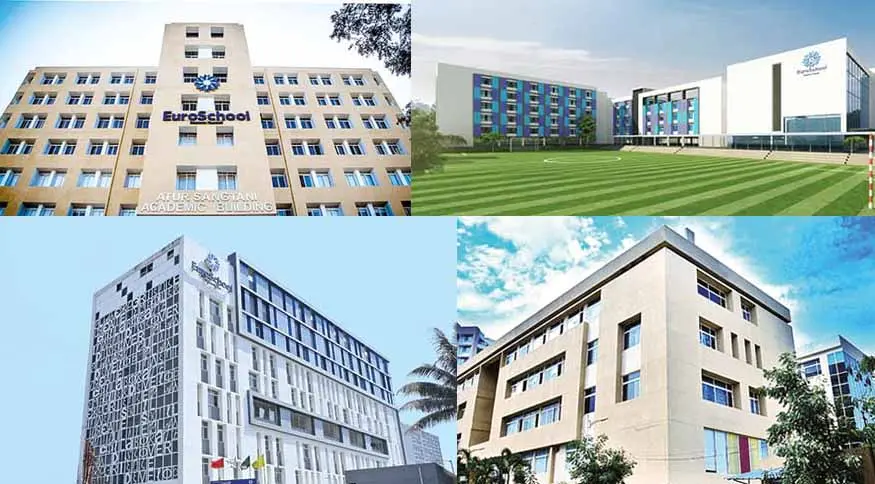
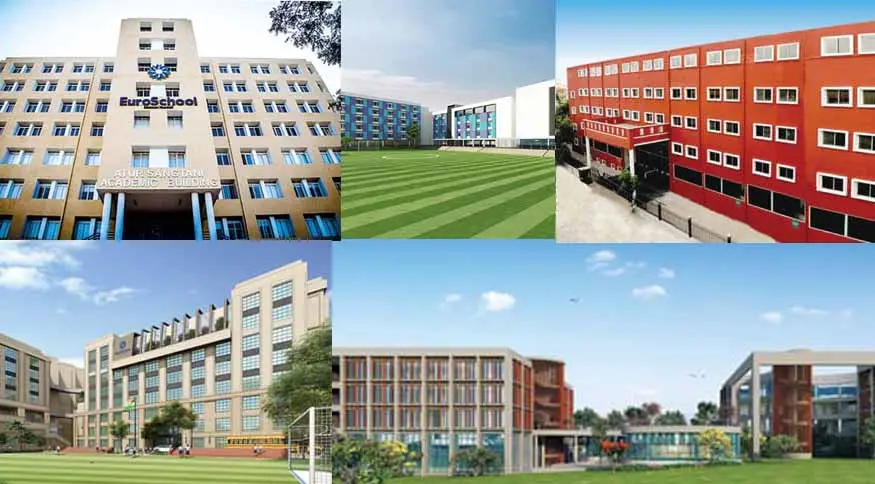
EuroSchool understands that true education is about more than grades. Its approach combines academics with essential life skills, helping students prepare for both studies and the real world.
1. Balanced Schooling
At EuroSchool, learning is a blend of academics, co-curricular activities and life skills. This helps students grow intellectually, emotionally, socially and physically. The goal is not only to achieve good grades but to build capable, confident individuals.
2. Skill-Based Learning
Through programmes like SkillUp and ASPIRE, EuroSchool focuses on developing creativity, communication, leadership and problem-solving. These skills connect classroom lessons with real-world experiences.
3. Modern Curriculum
EuroSchool’s curriculum, aligned with CBSE and ICSE boards, includes 21st-century skills such as digital literacy, environmental awareness and global citizenship. This prepares students for life in a fast-changing and connected world.
4. Technology-Enhanced Learning
Technology is used to make lessons more interactive and enjoyable. Smart classrooms, digital labs and blended learning help students explore and collaborate while developing digital confidence.
5. Expert Teachers and Continuous Training
Teachers at EuroSchool receive regular professional training to stay updated with the latest methods. They act as mentors and guides, inspiring students rather than just instructing them.
6. Focus on Well-being
EuroSchool also prioritises emotional and social well-being. Counselling, mentorship and a positive classroom culture help students manage stress, build confidence and stay balanced.
The Road Ahead
India’s education system is changing slowly, but there is still a long way to go. The country needs to move from memorization to skill-based and experiential learning. Emotional development and creativity should also be given equal importance.
Schools like EuroSchool are already leading this change. By combining academics with life skills, values and innovation, they show what quality education in India can look like. With this balanced approach, young minds can learn, grow and lead with confidence in a constantly evolving world.