Life skills such as empathy and team work are crucial aspects in determining how the children associate, communicate and work with others. In the modern world, where emotional intelligence is crucial compared to academic achievement, it is necessary to teach children how to know how they feel, solve conflicts, and collaborate with others. Role play is one of the most effective methods of fostering these attributes and are fun, interesting and significant learning exercises that impart a real-world lesson about empathy and cooperation.
Why Role Play Matters in Early Education
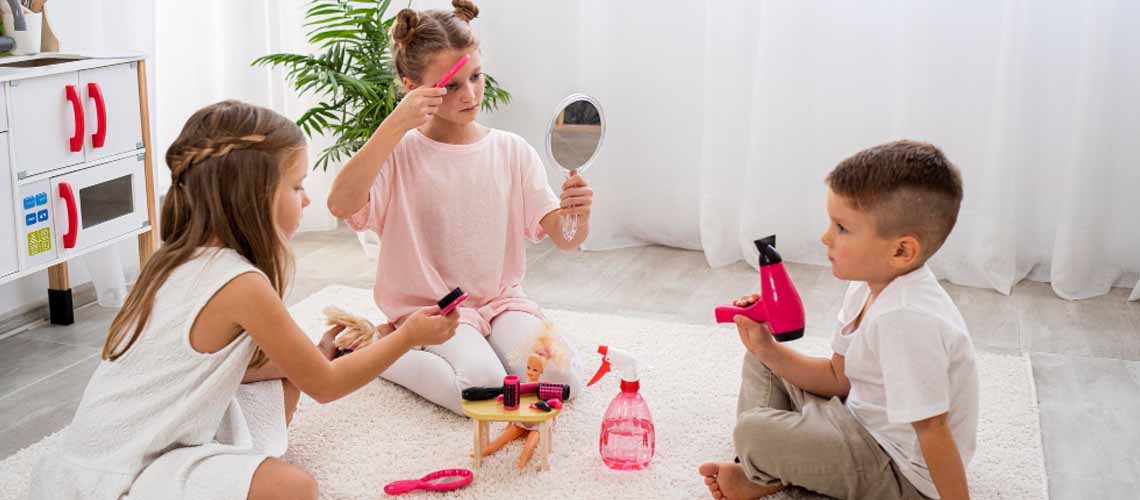
Role play is an effective experiential way of learning and children are able to be in various roles and be in various positions. As a result of pretend play, they learn to read the emotions of others, communicate their emotions, and develop communication abilities. These social skills activities enable children to cultivate empathy, the capacity to put themselves in the shoes of others, feel their emotions, and collaborate, in which they will learn to work together to achieve a common objective.
For young learners, especially in preschool and early grades, role play becomes a foundation for emotional development activities. It teaches children patience, listening, sharing, and problem-solving in fun and creative ways.
10 Fun Role Play Activities to Teach Empathy and Teamwork
Here are some fun activities for kids that can be done at home or in the classroom to encourage kindness, communication, and teamwork:
1. The Helping Hand Game
Give each child a scenario where an individual requires assistance such as a friend who dropped his books or a group mate who is depressed. Request them to roleplay their reactions. This assists children in training their empathy and caring.
2. The Lost Toy Story
One child pretends to lose a toy while others take turns offering comfort or help in finding it. This empathy exercise for students teaches understanding and emotional support.
3. Doctor and Patient
Classic and always effective! One child plays the doctor while another is the patient. This activity develops communication skills for kids and teaches how to comfort others.
4. The Kindness Café
Set up a pretend café where children play roles of chefs, servers, and customers. They practice teamwork, sharing, and polite communication while having fun.
5. The Friendship Circle
Children take turns sharing a situation where they felt happy, sad, or scared. Others act out how they could offer help. It’s one of the most meaningful preschool learning activities for emotional awareness.
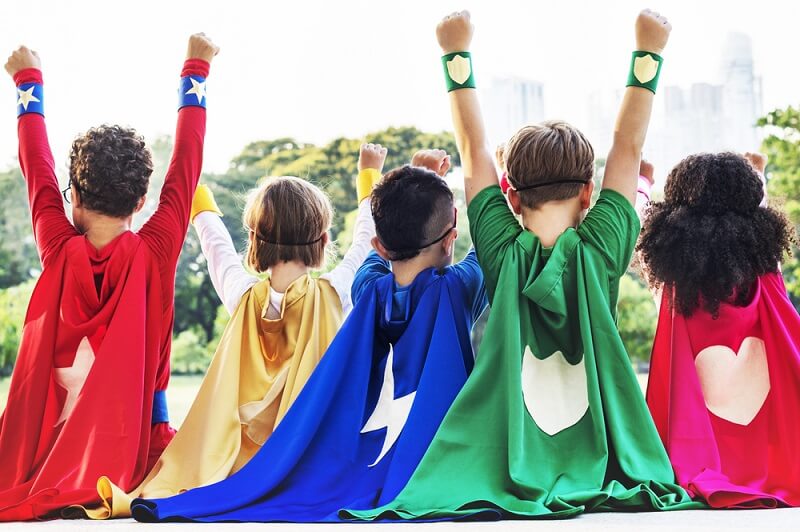
6. Classroom Superheroes
Ask children to imagine they are superheroes who solve friendship problems. Each team gets a ‘problem’ to solve, like a fight over toys or sharing crayons. It promotes cooperation and creativity.
7. The Community Helpers
Role-play as firefighters, doctors, teachers, or police officers. These group learning activities teach children the value of teamwork and respect for different professions.
8. The Mirror Game
Pairs of children face each other and mirror each other’s expressions and actions. Emotional recognition and empathy are developed during this game by observing.
9. Storytime Drama
After reading a short story or nursery rhyme, children act out the characters’ roles. This fun classroom activity boosts confidence, teamwork, and empathy.
10. The Sharing Shop
Create a pretend shop where kids share toys or snacks. They get to learn about fairness, generosity, and turn talking in an interactive manner.
How Role Play Supports Emotional and Social Development
Role play is not just play; it is a source of emotional development. Pretend scenarios help the children to experiment with emotions, see the point of view, and well as interpersonal skills. The experiences also play a key role in cognitive development among children as they make them relate emotions to actions and consequences.
- Enhances emotional intelligence by teaching empathy and compassion.
• Builds communication and listening skills essential for teamwork.
• Encourages creativity, imagination, and critical thinking.
• Develops problem-solving abilities through realistic situations.
• Strengthens peer relationships and social awareness.
Tips for Parents and Teachers to Encourage Role Play
Here’s how parents and educators can make role play more effective and enjoyable for children:
• Create a safe, encouraging space for children to express themselves freely.
• Use simple props like hats, toys, or puppets to make the activity engaging.
• Rotate roles so every child gets a chance to experience different perspectives.
• Encourage children to reflect on how they felt during the activity.
• Link role play to everyday life — for instance, practicing manners at the dinner table or teamwork during chores.
Building Teamwork Through Role Play in Preschool
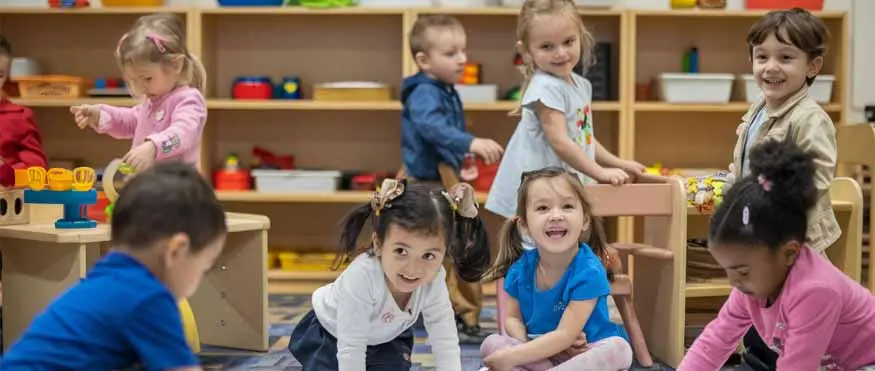
Preschoolers learn best when they play together. Group role-play sessions, such as building a pretend house or planning a picnic, promote teamwork naturally. These collaborative experiences enhance both emotional and social development, laying the foundation for future academic and personal success. Role play makes learning through play both enjoyable and educational.
The role-playing of empathy, teamwork assists children to become kind, self-assured, and socially conscious persons. All the situations that they play become a lesson about knowing other people and collaborating. These fun kids’ activities, whether in school or at home, constitute lifelong values that extend beyond the classroom.
At EuroSchool, we believe in nurturing the heart along with the mind. Our preschool learning activities focus on empathy, teamwork, and emotional intelligence through engaging play-based experiences.