It may seem that it is a little bit hard to teach children math, but it does not have to be that difficult. Counting backwards is one of the most fundamental early childhood skills that children are taught in preschool and primary school. Counting forward is easy because of everyday interaction and counting backwards needs a bit more practice and innovation. Fortunately, it can be made an enjoyable and adventurous experience to children with the correct attitude.
This blog will discuss entertaining methods of teaching kids counting backwards using number games with kids, preschool math tasks, and other activities that are interesting. Such techniques do not only assist in number recognition but also enhance memory, logical thinking and problem solving.
What is the importance of Counting Backward?
We will be going into all the fun activities but before we do that, we should briefly discuss why counting backwards is so useful to little ones.
- Practicing subtraction – As counting backwards, subtraction is a simple task, mastering it at an early age can give children a strong foundation.
- Develops counting skills – Forwards and backwards counting assists children in having a more practical sense of numbers.
- Improves memory and concentration – A counting backwards exercise makes the children easier to remember and concentrate.
- In everyday life – Backward counting can be used in real life, whether it is counting down to a game or celebrating New Year.
When children count numbers with kids in both directions, their confidence in math increases to a great extent.
Counting Backward: Fun Ways to Learn.
The following are some of the innovative number games that can be attempted by parents and teachers with kids:
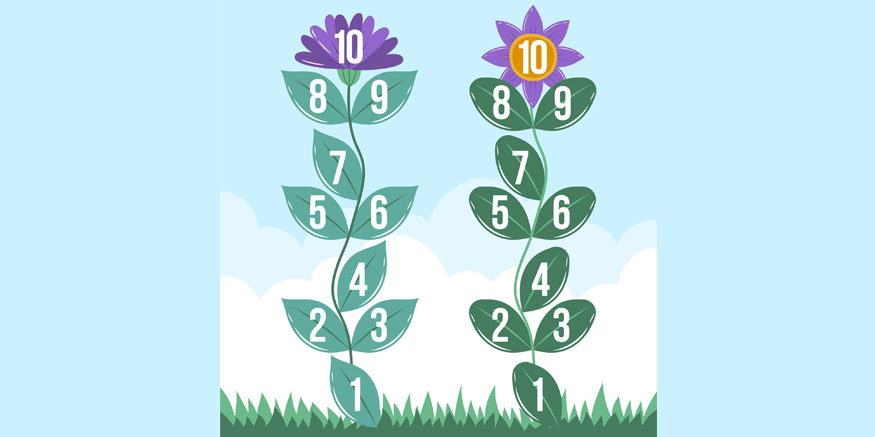
Countdown Games Count backwards into a rocket launch game! Begin at 10, count until 1, and scream Blast Off! Children actually engage in it and learning becomes a game.
Hint: It is better to begin with 20, 30, or even 50, to make it more difficult with older children.
Number Line Walk
Use chalk or tape to draw a fun number line on the floor. Make your child walk on it counting down. The movement keeps them occupied and the figures are simplified.
Extension: Have hopscotch like squares to make the kids hop backwards counting down.
Musical Numbers
Play music and allow the children to dance around. Stop the music, call a number and they will count downwards starting with that number until you say stop. It is an excellent method of combining fun and math!
Storytelling Countdown
Attempt to incorporate reverse counting to bedtime stories or classroom narratives. An example of this is, five little monkeys jumping on the bed, then four, then three… Children will be behind them doing the same thing without even knowing that they are counting down.
Flashcard Fun
Have fun puzzle using number flashcards. Scramble them and have your child arrange them in a sequence between 10 and 1 or even 20 and 1. This practice hones sequencing and recognition.
Countdown Crafts
Draw a rocket in the paper or a countdown chart. They count backwards every time they peel off or colour a number. Practical number games among children such as this one make math interesting.
Backward Counting Songs
Children are rhythmic and rhematic learners. Backward counting is naturally taught by such songs as “Ten Green Bottles” or “Five Little Ducks”. Parents are also able to come up with their own fun variations!
Board Games with a Twist
Play board games such as Snakes and Ladders but they should not move forward but they should count back to their position. It alters the rhythm and makes the game more educative.
Numbers Games on the Computer.
Kids have lots of apps and online number games that are aimed at practicing backward counting. These are very interactive with visual and sound effects that appeal to the tech savvy preschoolers.
Daily Countdown Practice
Backward counting can be done with everyday moments. Go down the stairs counting, the number of apples in a basket, or the number of minutes to bedtime. The concept is supported by real-life examples of repetition.
Tips for Parents and Teachers
– Start simple: Begin by counting down from 10 and then slowly try bigger numbers as they get the hang of it.
– Keep it Playful: Turn every activity into a game; kids learn faster when having fun.
– Mix Visuals and Actions: Use number lines, blocks, or toys to make counting concrete.
– Use Repetition: Daily practice ensures retention.
– Encourage Participation: Let kids lead the countdown during games, songs, or class activities.
Backward Counting Long-Term Benefits.
When children master backward counting through these preschool math activities, they gain skills that go beyond numbers:
- Problem-solving skills – Learning sequences will make the kids think logically.
- Confidence in Math – A strong base makes advanced concepts less intimidating later.
- Better Focus- Backward counting involves focus and enhances the attention span. In everyday life – Countdowns can be found all over the place, whether it is cooking or sports.
- Everyday Application – From cooking timers to sports, countdowns are everywhere in life
Conclusion
Counting backwards does not need to be tedious. It may be filled with fun, songs, games, and much creativity. Counting backwards can be added to the fun learning process of your child, whether it is in number games, storytelling, or in the day-to-day activities.
With such fun number activities, parents and teachers can also make kids not only memorise numbers, but also enjoy the process of learning about numbers. All the same, math is not only a problem-solving game, but also a way of exploring the world entertainingly and enjoyably.
The next time you are with your child, you could play a countdown game or sing a reverse counting song or even create a rocket craft. They will learn the skill very fast and have a lot of fun in the process, you will be amazed.
Are you enjoying reading our content? Do visit EuroSchool to explore more!!