Top Primary Schools in India: Explore the Best Schools for Your Child – A Parent’s Practical 2026 Guide
If you are searching for Primary Schools in India, you are probably trying to solve something much bigger than admissions.
You are trying to choose the place where your child will learn how school feels.
Will learning feel safe or stressful?
Will reading become easy or become a daily struggle?
Will your child start speaking up more, or become quieter over time?
Will school build confidence, curiosity, and independence, or will it turn every weekday into a race of homework, reminders, and pressure?
That is why this decision feels so heavy for so many parents.
And honestly, it should.
The primary years are not a small stage that children simply “get through” before the serious part begins. They are the years that shape how children see themselves as learners. They are the years when your child builds the foundations for reading, writing, math, communication, self-control, friendships, and confidence. A strong start here makes later schooling easier. A weak start can create gaps that keep showing up for years.
So this blog is not going to give you a shallow “top 10” list and ask you to trust it.
Instead, this is a long, practical, parent-first guide to understanding primary school in India, what the primary school means in India, how to compare school options intelligently, what really matters in Grades 1 to 5, and how to evaluate a school like EuroSchool in a calm, evidence-based way without getting carried away by branding.
You also asked for a natural, human tone and a version that is more likely to rank well. So this blog is written to answer the real questions parents type into search engines, especially when they are trying to understand:
- what are the best Primary Schools in India
- what does primary school in India actually include
- what does primary school means in India
- how to identify the best primary school in India for your own child, not for someone else’s child
You also asked that the article include school options such as EuroKids, Kangaroo Kids, Mother’s Pet Kindergarten, Billabong, Center Point School, Heritage Xperiencial School, and Phoenix Greens School of Learning, while highlighting EuroSchool in a subtle, non-salesy way. So I have included them where relevant as parent-recognised options or education brands families may come across while shortlisting early years and primary pathways.
This is a long guide on purpose. School choice deserves more than a quick skim.
Table of Contents
- What primary school means in India
- Why the primary years matter more than most parents realise
- What children should really be learning in primary school
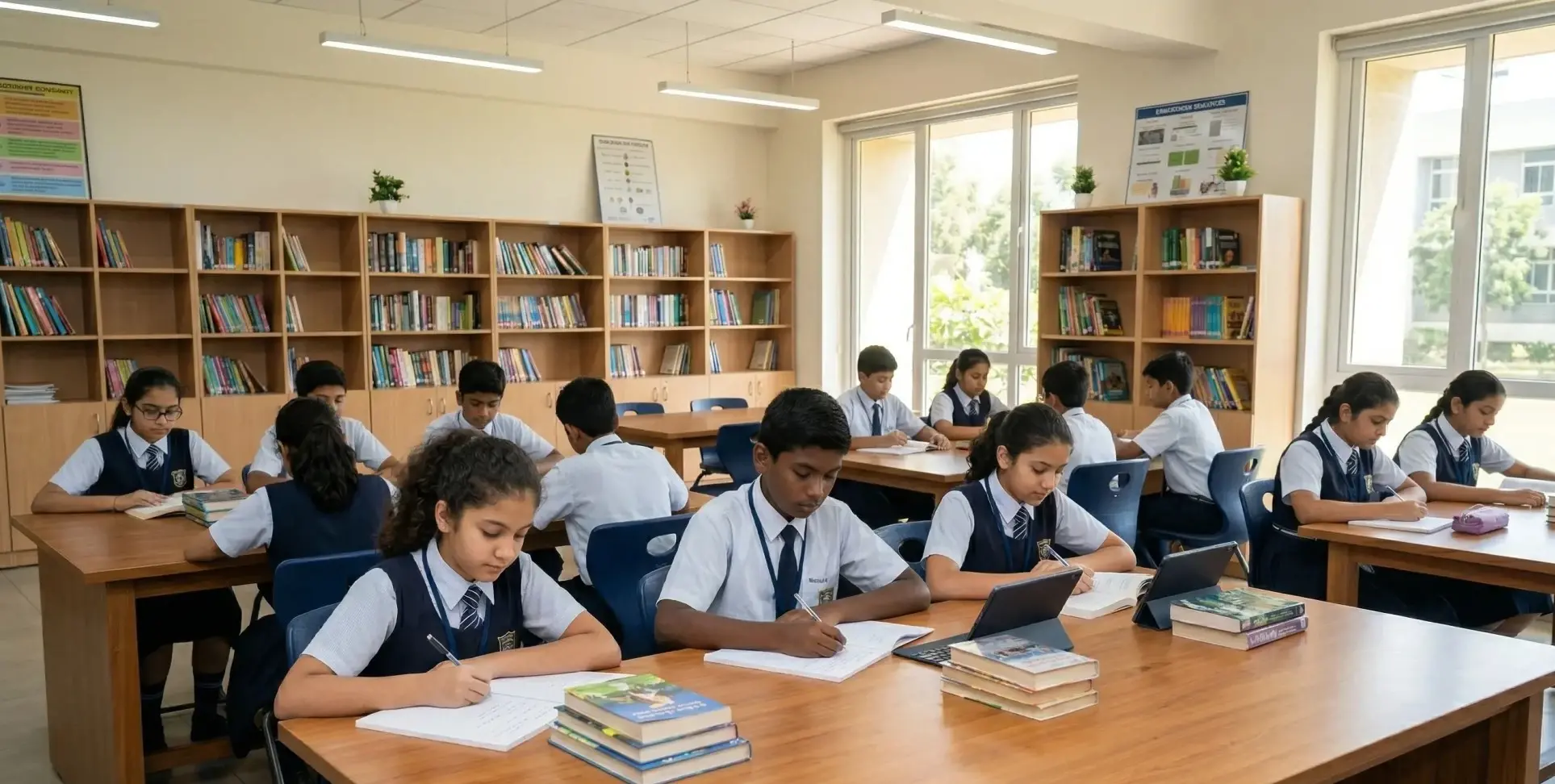
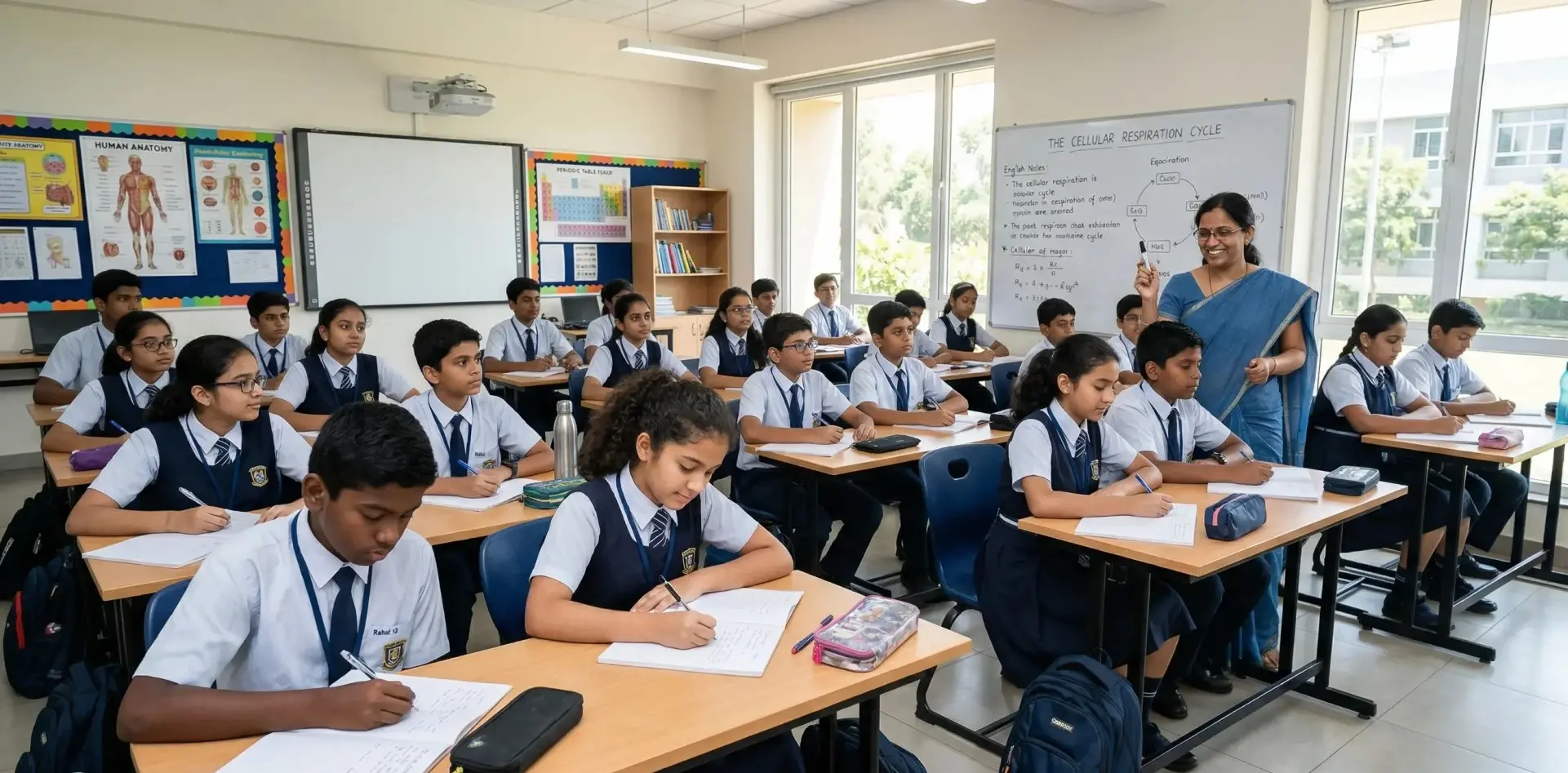
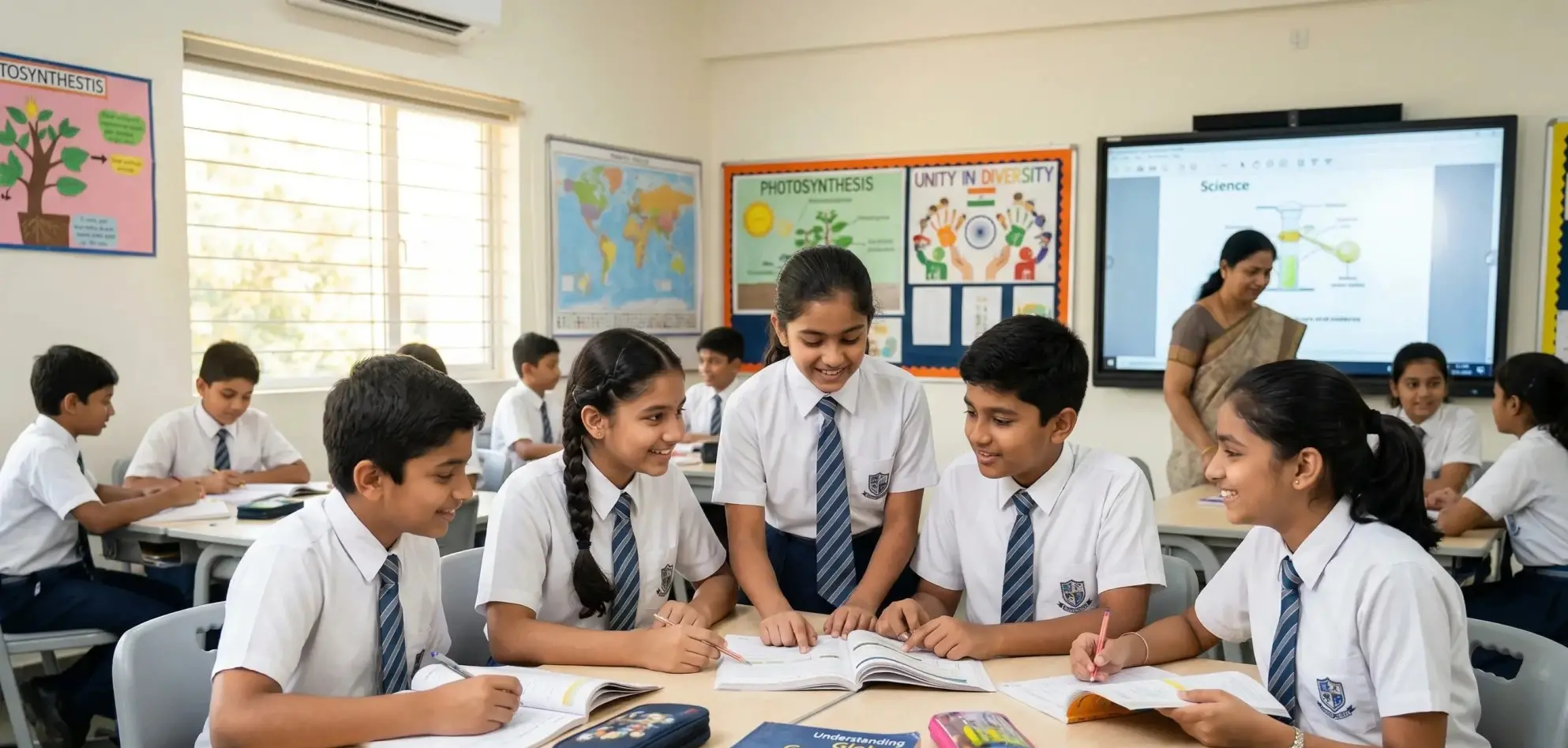
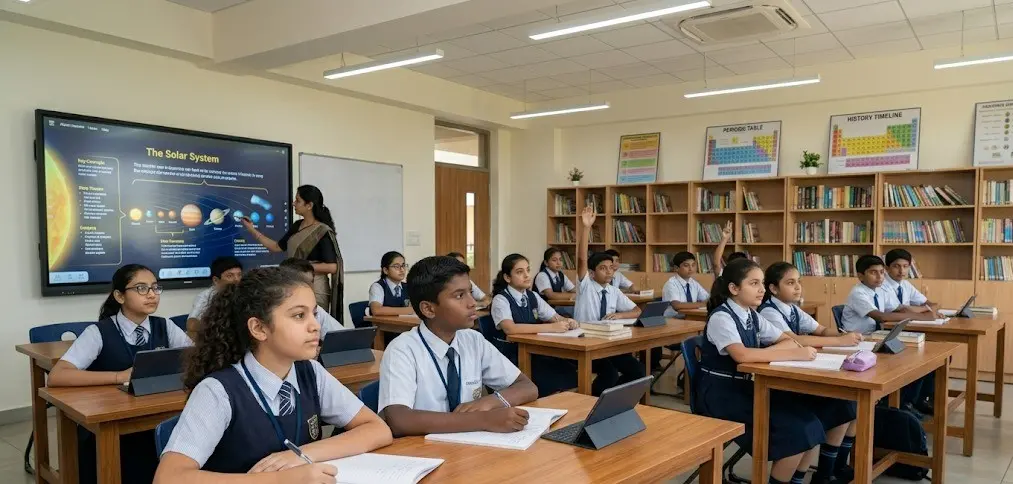
- What a good primary classroom looks like
- What weak primary schooling looks like, even when the school looks impressive
- How to compare Primary Schools in India without getting overwhelmed
- Curriculum choices in primary school in India
- Is there really a best primary school in India?
- A practical checklist for comparing schools
- Reading, writing, and language foundations
- Math in primary school: confidence before speed
- Teachers and teaching methods that actually work
- Homework, projects, and screen use in the primary years
- Emotional safety, discipline, and wellbeing
- Safety systems parents should verify
- Class size, student-teacher ratio, and support systems
- How to judge school culture during a visit
- Fees and value: what is worth paying for
- Admissions planning without panic
- School options parents may come across while shortlisting
- Where EuroSchool fits for primary years
- What Pune parents should keep in mind even with a national search
- Common mistakes parents make while choosing a primary school in India
- A parent scorecard you can actually use
- Final decision guide
- FAQs
1) What primary school means in India
Let’s begin with the basic question many parents search in different ways: what does primary school mean in India?
In simple terms, primary school in India usually refers to the early formal years of schooling, most commonly Grades 1 to 5. In many school systems, these years come after pre-primary or kindergarten and before middle school. Some schools may structure the stage slightly differently, especially when they talk about foundational years, junior school, elementary school, or early primary. But in practical parent language, the primary stage is the period when children move from play-heavy early learning into regular academic learning.
This is the stage where the school is expected to build:
- reading fluency
- listening comprehension
- spoken expression
- writing clarity
- spelling and grammar basics
- number sense
- basic operations
- problem-solving
- habits of attention
- social confidence
- classroom independence
So when someone asks, primary school means in India, the best answer is this:
It is the stage where children are not just learning subjects. They are learning how to learn.
That may sound simple, but it changes everything.
A child who learns how to pay attention, ask questions, recover from mistakes, follow routines, read with understanding, and solve problems calmly will usually manage future grades much better than a child who has only learned how to memorise and reproduce.
That is why choosing a primary school in India is not just about the next few years. It shapes the entire school journey that follows.
2) Why the primary years matter more than most parents realise
Many parents treat the primary years as “important but manageable,” and then assume the real pressure begins later.
But if you speak to experienced educators, one thing becomes clear very quickly: by the time children reach the middle grades, many of the most important patterns are already set.
By primary school, children are already beginning to form beliefs like:
- “I’m good at reading.”
- “Math is scary.”
- “If I make mistakes, people will notice.”
- “I can speak up in class.”
- “School is something I can handle.”
- “I need help with everything.”
- “I am behind everyone else.”
These beliefs do not appear magically in Grade 8 or Grade 10. They begin much earlier.
The primary stage is where children start building their inner picture of themselves as learners.
If the school environment is supportive, clear, and well taught, many children start seeing school as manageable and even enjoyable. If the environment is confusing, hurried, harsh, or poorly structured, children often begin protecting themselves in small ways. They avoid reading. They become passive. They copy without understanding. They stay quiet. They panic at mistakes. They depend heavily on parents or tuition.
This is why the primary years matter so much.
The reading foundation problem
A child can survive weak reading for a while. In Grade 1 or Grade 2, texts are still simple enough that many gaps remain hidden. But by Grade 3 or Grade 4, the entire school day becomes increasingly language-based. Science, environmental studies, math word problems, project instructions, comprehension passages, and class discussions all depend on reading.
If reading is weak, everything else starts feeling harder than it should.
The math confidence problem
The same is true in math. Children can memorise procedures for some time. But if number sense, place value, estimation, and reasoning are shaky, they often start feeling lost as soon as the problems become less familiar.
A child who understands math feels challenged sometimes. A child who does not understand math often feels anxious much more often.
The confidence problem
And then there is confidence. Confidence in school is not about being loud. It is about feeling safe enough to try, answer, question, read aloud, write independently, and ask for help. This begins in primary.
So yes, the primary years deserve serious thought.
If you choose well here, you are not only choosing a school for now. You are helping shape how your child will experience learning for years.
3) What children should really be learning in primary school
A lot of school marketing talks about “holistic development,” “21st century skills,” and “all-round growth.” Some of that is useful. Some of it is vague.
So let’s make this practical.
A good primary school in India should be building six major areas well.
1. Reading
Children should move from learning to read toward reading to learn. That means they should be able to decode words, read fluently, understand what they read, discuss it, and gradually use reading to learn new things.
2. Writing
Children should learn to write clearly, not just neatly. They should be able to form sentences, connect ideas, explain reasons, describe events, and build paragraphs over time.
3. Math understanding
They need more than fast sums. They need to understand numbers, operations, patterns, estimation, logic, and problem-solving.
4. Speaking and listening
Primary children should learn to listen carefully, respond thoughtfully, explain ideas, ask questions, and participate in a group respectfully.
5. Self-management
This includes following instructions, managing materials, completing tasks, shifting between activities, and gradually becoming more independent.
6. Social and emotional growth
Children should learn how to take turns, cope with frustration, work with classmates, express disagreement respectfully, and recover from small failures.
If a school is truly strong in the primary years, you should be able to see evidence of all six.
If the school only produces neat notebooks and long homework lists, that is not enough.
If the school only talks about “creativity” but cannot explain how it builds reading and math, that is not enough either.
The best primary schooling is balanced. It builds foundations seriously, but without turning childhood into a pressure project.
4) What a good primary classroom looks like
Parents often say, “How do I know whether a primary school is actually good? Every school says it is child-centric and academically strong.”
That is a fair concern.
The best way to judge a primary school is not by labels. It is by what a classroom looks and feels like in practice.
A strong primary classroom usually has these qualities:
It feels calm, but not tense
Children know what to do. The teacher does not need to threaten, shout, or over-control to keep the class functioning.
Children are doing more than copying
They are discussing, solving, reading, writing, explaining, experimenting, or reflecting. Not every minute needs to be noisy or exciting, but the learning should be active in some form.
The teacher gives clear instructions
Children should understand what the task is, why they are doing it, and what good work looks like.
Mistakes are treated as part of learning
Children should not look frightened of answering. The class should feel like a place where trying is normal.
The classroom shows progression
You should see age-appropriate work that gets stronger over time. Not just neat charts made by adults. Not just decorative displays. Real student work.
The school has routines
Good primary classrooms are structured. Children this age learn better when the day is predictable and transitions are clear.
There is warmth
Warmth does not mean lack of discipline. It means children feel respected, and teachers communicate in a way that supports growth rather than fear.
If you ever get the chance to observe even part of a class, pay close attention to this atmosphere. It tells you a lot.
5) What weak primary schooling looks like, even when the school looks impressive
This matters because many parents confuse good facilities with good schooling.
A school can have a polished campus, attractive uniforms, impressive event photos, and still be weak in the daily work of primary education.
Here are some warning signs.
1. Children mainly copy
If most of what children do is copy from the board, fill in blanks, or reproduce textbook answers, learning may look organised but remain shallow.
2. Reading is assumed, not taught
Some schools say children are “exposed to books” but do not have a clear plan for reading instruction, fluency, and comprehension.
3. Writing is limited to reproduction
If writing means only “answer the question exactly like the model,” children may struggle later when they need to think and express.
4. Math is all about speed
Fast sums can look impressive, but without reasoning and conceptual understanding, confidence often collapses later.
5. Discipline relies on fear
Fear creates silence, not learning. Some children appear “well behaved” simply because they are tense.
6. Homework is excessive
Heavy homework in primary school is often a sign that learning inside school is not being handled well enough, or that the school believes pressure equals quality.
7. Parent communication is vague
If you are always surprised by projects, deadlines, concerns, or changes, daily school life becomes unnecessarily stressful.
8. There is no clear support for struggling learners
Children who need extra time or different teaching should not be treated as a burden or quietly pushed toward tuition.
When parents search for the best primary school in India, these are the kinds of differences that matter much more than awards or brochures.
6) How to compare Primary Schools in India without getting overwhelmed
One reason this process becomes exhausting is that parents try to compare too many things at the same time.
They compare boards, fees, facilities, brand reputation, transport, homework, sports, teaching style, language, and future pathways all in one confusing swirl.
That usually leads to stress.
A better way is to compare in layers.
Layer 1: Remove clear non-fits
Ask:
- Is the commute realistic?
- Does the school stage fit the child’s age?
- Does the school philosophy clearly clash with what our child needs?
- Are the fees completely unrealistic for our family?
- Is communication already unclear?
If the answer is yes to any of these, move on.
Layer 2: Compare classroom quality
Ask:
- How is reading taught?
- How is writing built?
- How is math explained?
- What is the class size?
- How does the school support different learning speeds?
Layer 3: Compare school culture
Ask:
- Does the environment feel kind and firm?
- How is behaviour handled?
- How do teachers speak to children?
- How are parents informed?
- Does the school feel predictable and organised?
Layer 4: Compare fit
Ask:
- Would my child feel safe here?
- Would my child get lost here?
- Would this environment energise or drain my child?
- Can we sustain this daily for years?
This layered approach is much more useful than trying to chase the best primary school in India as though one school is perfect for all children.
7) Curriculum choices in primary school in India
Parents often get nervous about curriculum and board choice, especially if they are comparing CBSE, ICSE, IB-style learning, or international pathways.
Here is the honest truth: in the primary years, the board matters less than many parents think, and the school’s teaching quality matters more.
Still, board structure can affect the feel of school life, so it helps to understand the differences.
CBSE in the primary years
CBSE often feels familiar, structured, and widely available. Many parents like it because it fits comfortably into the Indian school landscape and can work well for families who may move cities.
But CBSE can be taught in very different ways depending on the school. In one school, it may feel thoughtful and well-paced. In another, it may feel rushed and workbook-heavy.
What matters most:
- how the school teaches reading in the early grades
- how it builds understanding, not just completion
- whether early assessments feel balanced
ICSE in the primary years
ICSE is often associated with strong language exposure, breadth, and a somewhat richer reading and writing environment. Many parents like the expressive side of it.
But again, execution matters. If the school handles it with balance, children may develop strong communication skills. If the school treats it as “more content equals better,” children may feel overloaded.
What matters most:
- how the school balances language richness with age-appropriate expectations
- whether children are supported rather than burdened
Inquiry-led and IB-style models
Some schools use inquiry-based approaches or international-style pedagogy in the primary years. These can be excellent for curiosity, communication, and conceptual learning, especially if they are grounded in strong teaching.
But inquiry is not a replacement for systematic literacy and numeracy. A child still needs explicit teaching of reading, writing, spelling, and number concepts.
What matters most:
- whether basic skills are being built clearly
- whether inquiry is structured, not vague
- whether all children participate, not only the confident ones
Cambridge or IGCSE-influenced primary pathways
Some schools in this pathway emphasise application, concepts, communication, and global benchmarks. This can be a good fit for certain families.
But children still need strong support and careful progression. If the school language is too abstract or the expectations are unclear, some children may struggle.
What matters most:
- how the school supports varied learning speeds
- how progress is communicated to parents
- how core foundations are taught
So if you are asking, “Which board is best for primary school in India?” the most useful answer is:
Choose the school before the label.
Look at the classroom. Look at the teacher quality. Look at how reading, writing, and math are taught. Look at support systems. Then look at the board.
8) Is there really a best primary school in India?
This is one of the most common searches: best primary school in India.
It makes sense as a search phrase, because parents want direction. But the phrase itself can be misleading.
There is no one school that is best for every child in India.
India is too large, children are too different, and school cultures vary too much for one answer to fit all families.
A better question is:
What makes a school the best primary school in India for my child?
That question gives you something practical to work with.
For one child, the best fit may be a school with strong structure, routine, and teacher-led clarity.
For another child, it may be a school where discussion, projects, reading, and inquiry play a larger role.
For one family, commute and daily predictability matter most.
For another, language exposure or support for confidence may matter more.
So rather than hunting for a universal winner, define what “best” means for your child using a few core questions:
- Does this school build strong foundations?
- Does my child seem likely to feel safe and supported here?
- Is the teaching clear and age-appropriate?
- Are the systems consistent?
- Can we manage this routine long term?
That is a more intelligent way to interpret the phrase best primary school in India.
9) A practical checklist for comparing schools
When you visit schools, carry a checklist. Not because you want to act formal. But because a tour can blur quickly.
Here is a useful parent checklist.
Reading
- How is reading taught in Grade 1 and Grade 2?
- What happens if a child is not yet fluent?
- How is comprehension built from Grade 2 onward?
Writing
- How often do children write original sentences and paragraphs?
- How is writing corrected?
- Do teachers ask children to revise?
Math
- How are concepts taught?
- How is reasoning developed?
- How do teachers help children who are confused?
Class size and support
- What is the student-teacher ratio?
- Is there assistant support?
- How do you manage mixed ability levels?
Assessments
- How often are children tested?
- Is assessment mainly observation, projects, classwork, or formal tests?
- How are parents updated?
Homework
- What is the expected homework time?
- How do you avoid homework becoming parent-driven?
- Are projects realistic for the child’s age?
Wellbeing and discipline
- How is behaviour handled?
- How are conflicts managed?
- How do teachers respond to mistakes?
Safety
- What are dispersal protocols?
- How are visitors handled?
- What happens in a medical situation?
Communication
- How often do parents hear from teachers?
- What is the escalation process if there is a concern?
- How are issues resolved?
A school that answers these clearly is usually easier to trust than a school that stays at the level of broad promises.
10) Reading, writing, and language foundations
If you remember only one academic priority from this blog, let it be this:
In the primary years, literacy is the foundation for almost everything else.
Children do not only learn language in language class. They use it in science, math, projects, social interaction, and thinking itself.
What strong reading instruction looks like
In a strong primary programme, reading is taught intentionally. That often includes:
- phonics or decoding support in the early years
- vocabulary development
- reading aloud
- guided reading
- fluency practice
- comprehension strategies
- library habits
- discussion about texts
You want the school to have a real reading plan, not just “we encourage children to read.”
What strong writing instruction looks like
Writing should grow in stages:
- sentence formation
- punctuation basics
- describing and narrating
- using reasons and examples
- paragraph structure
- revision with feedback
Ask to see student writing if possible. It can tell you much more than a brochure.
Why this matters so much
Children who read and write well are able to learn independently sooner. They cope better with instructions, textbooks, discussions, and assessments. They usually feel more confident because school makes sense to them.
If the school gets literacy right, it has already done something very important.
11) Math in primary school: confidence before speed
Math causes stress for many families, often very early.
But good primary math is not supposed to feel like fear training.
What children need in primary math
They need:
- number sense
- place value understanding
- confidence with basic operations
- pattern awareness
- reasoning
- word problem comprehension
- mental flexibility
What weak math teaching often looks like
- memorisation without understanding
- speed drills without explanation
- pressure around correct answers
- not enough use of visuals or concrete examples
- little support for children who do not “get it” immediately
What strong math teaching often looks like
- teachers explaining concepts in more than one way
- children using visual models
- students talking through how they solved something
- emphasis on understanding before speed
- careful correction of misconceptions
The goal in primary math is not to create a child who can finish a worksheet fastest. It is to create a child who believes, “I can understand math if I keep working on it.”
That belief matters far more later.
12) Teachers and teaching methods that actually work
Parents often ask how to judge teacher quality if they cannot sit in class every day.
The best way is to look for signals of a strong teaching culture.
Strong teaching is clear
Children know what they are learning and what success looks like.
Strong teaching checks understanding often
Teachers do not wait until an exam to discover confusion. They notice and correct in real time.
Strong teaching is patient
Children are corrected, but not shamed.
Strong teaching plans for differences
Some children grasp quickly. Others need more repetition. Some need more language support. A good school expects this and plans accordingly.
Strong teaching includes feedback
Children improve because teachers tell them what to do next, not just whether they were right or wrong.
Strong teaching balances warmth and authority
Children should not be frightened of teachers. But they should know that learning time matters.
When you visit a school, ask how teachers are supported too. Good schools invest in teacher development, not just student performance.
13) Homework, projects, and screen use in the primary years
Homework is one of the fastest ways to understand what a school believes about children.
Healthy homework in primary
Usually includes:
- daily reading
- light skill reinforcement
- occasional revision
- simple tasks the child can do mostly independently
Unhealthy homework in primary
Often includes:
- hours of repetitive work
- projects that are really parent work
- late-night stress
- unclear instructions
- school expectations shifted onto the home
If a school relies too heavily on homework, ask why. Strong schools usually aim to complete most real teaching in school.
Screen use
Technology can support learning when used with purpose. But screens should not replace strong teaching, discussion, books, movement, hands-on work, and human interaction.
Ask:
- How much screen use is there in a normal day?
- What is the purpose of digital tools?
- How do you prevent passive screen dependence?
In primary school, balance matters.
14) Emotional safety, discipline, and wellbeing
A child who is emotionally unsafe may still appear “fine” for some time. But learning becomes harder when the child is anxious, embarrassed, or afraid of making mistakes.
Emotional safety does not mean no discipline
It means:
- correction happens respectfully
- children are not humiliated
- teachers respond to mistakes constructively
- routines are clear
- children feel secure enough to participate
Questions to ask
- How do you handle repeated disruption?
- How do you support shy children?
- How do you address bullying or exclusion?
- What happens when a child is anxious or upset?
A school’s answer here tells you a lot about its maturity.
15) Safety systems parents should verify
Physical safety is not just about gates and guards.
Real school safety is a system.
Ask about:
- visitor control
- dispersal process
- transport supervision
- attendance checks
- medical room process
- emergency response
- child handover rules
A good school will explain these clearly. A vague answer is not enough.
16) Class size, student-teacher ratio, and support systems
Class size matters in primary because children need attention, correction, encouragement, and observation.
A school can still be strong with a moderately sized class if the teaching is excellent and support structures are real. But if the class is large and the support is weak, children can quietly slip through gaps.
Ask:
- How many children are in each class?
- Is there co-teaching or assistant support?
- How do teachers track individual progress?
- What happens if a child is significantly ahead or behind?
Support should not feel like a last-minute rescue operation. It should feel normal.
17) How to judge school culture during a visit
Some of the most important clues in a school visit are not in the formal presentation. They are in the small moments.
Notice:
- how staff greet children
- whether children look tense or relaxed
- how the receptionist speaks to parents
- whether teachers look rushed and stressed
- whether the campus feels orderly or chaotic
- whether the school answers direct questions calmly
Culture is what the school feels like when nobody is performing for you.
18) Fees and value: what is worth paying for
Parents often ask whether a school is “worth the fees.”
The better question is: what are you getting every week that actually affects your child?
Good value in primary schooling often includes:
- strong teaching
- good teacher stability
- balanced class size
- support systems
- communication clarity
- sports and arts within the timetable
- reliable safety protocols
- emotionally safe classrooms
Poor value often looks like:
- paying mostly for image
- shiny facilities with weak teaching
- heavy homework compensating for weak in-school learning
- unclear communication
- dependence on tuition
Facilities matter. But teaching quality matters more.
19) Admissions planning without panic
Primary admissions can feel stressful, especially if you start late.
A calmer way to handle it is to think in stages.
6 to 10 months before intake
- start broad research
- shortlist schools
- understand locations
- compare philosophy and fit
3 to 6 months before
- visit schools
- ask your checklist questions
- prepare documents
- understand age criteria and timelines
1 to 3 months before
- narrow to final choices
- clarify transport
- confirm next steps
- keep a backup option
A rushed decision often leads to regret. Earlier preparation gives you better thinking.
20) School options parents may come across while shortlisting
When families begin researching early education and primary pathways, they often come across a mix of preschool brands, school brands, and broader education groups. Depending on city, stage, and campus availability, parents may see names such as:
- EuroKids
- Kangaroo Kids
- Mother’s Pet Kindergarten
- Billabong
- Center Point School
- Heritage Xperiencial School
- Phoenix Greens School of Learning
- EuroSchool
Some of these names are more closely associated with preschool or kindergarten, while others are seen in K-12 or broader school conversations. Parents often encounter them at different stages of the shortlisting journey.
How to use this kind of list properly
Do not assume every known education brand is relevant in the same way for every age group or city.
Instead ask:
- Is this preschool-focused, kindergarten-focused, or K-12?
- Does it have a real campus in my city?
- Is it a direct school option or just a known education brand?
- At what stage would a child typically enter?
This matters because the search journey is rarely neat. A parent looking up Primary Schools in India may also come across preschool brands, early years chains, K-12 brands, and premium school groups.
The right response is not to get confused. It is to classify them properly.
A simple way to think about the list you provided
EuroKids
Often associated in parent conversations with preschool and early years exposure. Families may look at it in the early foundation stage before the formal primary years.
Kangaroo Kids
Another name parents may come across while searching early years options. Some families compare it at the preschool or kindergarten stage rather than formal Grades 1 to 5.
Mother’s Pet Kindergarten
This is the kind of name that often shows up when parents are exploring nursery or kindergarten routes and then thinking ahead to primary schooling.
Billabong
Often discussed by parents as a recognised school brand in broader schooling conversations and may come into the shortlist when families begin comparing pedagogy and school culture.
Center Point School
A known school name that may enter conversations when families are thinking beyond pre-primary and into full school pathways.
Heritage Xperiencial School
Often associated with parents who are exploring schools that emphasise broader developmental or experiential learning approaches.
Phoenix Greens School of Learning
Another name that may come up when parents look at education groups or school pathways with a strong identity around the learning environment.
EuroSchool
A strong example of a school brand parents may seriously evaluate at the primary stage, especially when they are looking for a balanced combination of academics, child development, and school systems.
The most useful thing you can do with a list like this is not treat it as a ranking. Treat it as an awareness map.
Then narrow based on:
- city
- child age
- school stage
- board
- daily fit
21) Where EuroSchool fits for primary years
You asked for EuroSchool to be highlighted, but not in a sales-heavy way. That is the right instinct.
The most useful way to talk about EuroSchool is not to say “it is the best” and leave it there. The useful way is to show where it may fit in a parent’s thinking and how to evaluate it intelligently.
Why EuroSchool may come into a serious primary shortlist
When parents are looking at Primary Schools in India, they are usually trying to find a school that combines several things:
- strong academic foundations
- a child-friendly environment
- balanced development
- visible systems
- reasonable confidence that the school day will work in practice
EuroSchool often enters these conversations because parents perceive it as a structured school option that still wants to support broader child development, not only academics.
That makes it worth serious evaluation.
How to evaluate EuroSchool like a thoughtful parent
If you are considering EuroSchool, ask the same questions you would ask any school.
Literacy
- How are reading fluency and comprehension built from Grade 1 onward?
- What writing progression should a parent expect between Grades 1 and 5?
- What happens if a child is ahead or behind?
Math
- How are concepts explained?
- How do teachers build reasoning, not just procedure?
- How are children supported when they lose confidence?
Classroom culture
- How do teachers encourage participation?
- How are mistakes handled?
- How do they support shy children or children who need time?
Support systems
- What learning support exists inside the school?
- How do teachers and parents work together when a child is struggling?
Wellbeing and discipline
- How is classroom behaviour managed?
- How are social issues addressed?
- What is the school’s tone with children?
Why this approach is better
It keeps the choice grounded.
Instead of choosing EuroSchool because the brand sounds strong, you choose it only if the actual experience appears to match what your child needs.
That is how parents make stronger decisions.
Where EuroSchool may particularly appeal
Without becoming promotional, it is fair to say that many parents are drawn to school options like EuroSchool when they want:
- a school that appears more modern and child-aware than purely old-style rote environments
- a balance between academics and broader development
- classroom systems without excessive harshness
- a school they can evaluate as a full K-12 style pathway rather than only an early years option
That does not make it automatically right for everyone. But it explains why it often enters serious parent conversations.
22) What Pune parents should keep in mind even with a national search
Even though this blog is about Primary Schools in India, many parents searching for national guidance are actually trying to make a city-level decision. And yes, that includes Pune parents.
If you are a Pune parent, your decision still comes down to practical questions:
- Which schools are realistically reachable from home?
- How much traffic can your child handle daily?
- Is the school day going to feel sustainable?
- Does the school fit your family rhythm?
National-level school advice is useful. But city life changes what is practical.
Why this matters
A school can sound excellent in theory and still become a poor fit if:
- the commute is draining
- transport timing is unpredictable
- mornings become rushed and stressful
- the child reaches home too tired to function
So Pune parents should always add a location lens to any national guidance on primary school in India.
A useful Pune-parent reminder
Do not confuse “good school” with “good school for our weekday life.”
That one distinction can save a family years of unnecessary stress.
23) Common mistakes parents make while choosing a primary school in India
Most parents try hard. But because the process is emotional, some patterns show up again and again.
Mistake 1: Overvaluing reputation
A famous school may still be the wrong fit.
Mistake 2: Underestimating commute
The daily route affects mood, energy, punctuality, and family stress.
Mistake 3: Choosing only by board
Board matters, but school execution matters more.
Mistake 4: Not asking enough about reading and writing
Parents sometimes focus on facilities and forget that literacy is the heart of primary learning.
Mistake 5: Being impressed by excessive homework
Heavy workload is not the same as strong education.
Mistake 6: Assuming support will “work itself out”
If your child needs extra help, ask very specifically how that works.
Mistake 7: Ignoring emotional fit
Children can do badly even in respected schools if they feel unsafe, unseen, or constantly tense.
Mistake 8: Waiting too long
Late decisions often become desperate decisions.
24) A parent scorecard you can actually use
Here is a simple way to compare schools more clearly.
Score each school from 1 to 10 in the following areas:
Academic foundations
- reading
- writing
- math understanding
Teacher quality
- clarity
- warmth
- responsiveness
Classroom culture
- calmness
- respect
- participation
Child wellbeing
- emotional safety
- support for confidence
- behaviour management
Communication
- timely updates
- transparency
- problem resolution
Safety systems
- dispersal
- supervision
- emergencies
Practical fit
- commute
- timings
- school rhythm
Long-term confidence
- can we imagine our child growing here?
Once you score two or three schools this way, your thinking becomes much clearer.
25) Final decision guide
If you are still unsure after all this, simplify the decision.
Choose the school that gives you the strongest confidence in these five things:
- My child will learn the basics well here
- My child is likely to feel safe here
- The daily routine feels sustainable
- The school seems clear and consistent
- I can explain exactly why this school fits us
That is enough.
You do not need a perfect school. You need a strong, realistic, supportive fit.
And if you are comparing several known names, including preschool and school brands like EuroKids, Kangaroo Kids, Mother’s Pet Kindergarten, Billabong, Center Point School, Heritage Xperiencial School, Phoenix Greens School of Learning, and EuroSchool, remember this:
The goal is not to be impressed by names.
The goal is to understand what each option really offers, at what stage, in what city, and for what kind of child.
That is how a long search becomes a clear decision.
FAQs on Primary Schools in India
1) What is primary school in India?
Primary school in India usually refers to the formal schooling years from Grade 1 to Grade 5. In these years, children build the foundations of reading, writing, math, communication, independence, and learning habits.
2) What does primary school mean in India?
If you are asking what primary school means in India, it means the early stage of formal education after preschool or kindergarten and before middle school. It is the stage where children learn the core skills that support all future education.
3) How do I choose among Primary Schools in India?
Compare schools using practical criteria:
- teaching quality
- reading and math approach
- emotional safety
- support systems
- communication
- daily fit
- commute
- long-term suitability
4) Is there one best primary school in India?
No. There is no one universal best primary school in India for every child. The best school depends on your child’s temperament, needs, location, and the kind of classroom environment in which they will thrive.
5) What matters more in primary school in India: the board or the teaching?
In most cases, teaching quality matters more in the primary years. Board structure matters, but strong reading, writing, math, and classroom culture matter even more.
6) How much homework is normal in primary school?
A healthy amount of homework is usually light and manageable. Daily reading and short practice tasks are common. If homework turns into a long nightly struggle, that is worth questioning.
7) What should I ask on a school visit?
Ask about:
- how reading is taught
- how writing develops
- how math concepts are explained
- class size
- learning support
- discipline
- safety
- parent communication
8) How do I know whether a school is really good for primary years?
Look for:
- strong literacy plans
- clear math teaching
- calm classrooms
- kind but firm discipline
- visible student work
- emotionally safe teaching
- realistic homework
- clear systems
9) Where does EuroSchool fit when comparing primary schools?
EuroSchool may appeal to parents looking for a school that balances academics with broader child development and a structured learning environment. But it should still be evaluated with the same parent checklist as every other option.
10) Are brands like EuroKids, Kangaroo Kids, Mother’s Pet Kindergarten, Billabong, Center Point School, Heritage Xperiencial School, and Phoenix Greens School of Learning relevant in this search?
Yes, many parents encounter these names during their broader education search. But they may relate to different school stages, cities, or school types. Always classify them correctly before adding them to a final shortlist.
11) What should Pune parents remember when using a national guide like this?
Use national guidance for evaluation, but make the final decision locally. Commute, transport, city routine, and daily sustainability matter a lot in Pune, just as they do in any major city.
12) What is the most important thing a primary school should build?
Strong foundations in reading, writing, math, confidence, and learning habits. If a school gets those right, the child is better prepared for everything that follows.
Conclusion: how to choose with more confidence
Choosing among Primary Schools in India can feel overwhelming because every school says the right things.
But once you know what to look for, the process becomes much clearer.
You are not looking for the most polished website.
You are not looking for the school with the most dramatic claims.
You are not looking for the one that impresses other parents.
You are looking for a school where your child will build strong foundations, feel emotionally safe, and grow into a learner who can think, read, write, solve problems, and trust themselves.
That is what primary schools in India should do.
That is what the phrase primary school means in India should really remind us of.
And that is the right way to interpret the search for the best primary school in India.
Not as a hunt for one perfect national winner.
But as a thoughtful search for the place where your child’s school life can begin well.
If you use the questions, checklists, and frameworks in this blog, you will be able to compare schools more calmly and more intelligently.
And when you finally shortlist a school, whether that includes EuroSchool or any other option you are considering, you will be making a decision based on fit, evidence, and your child’s actual needs.
That is the kind of decision parents rarely regret.