Education has the power to shape lives, perspectives, and futures. As classrooms become more diverse, education systems are evolving to ensure that every child—regardless of background, learning style, or ability—has access to meaningful learning opportunities. This is where integrated education, often referred to as inclusive education, plays a crucial role.
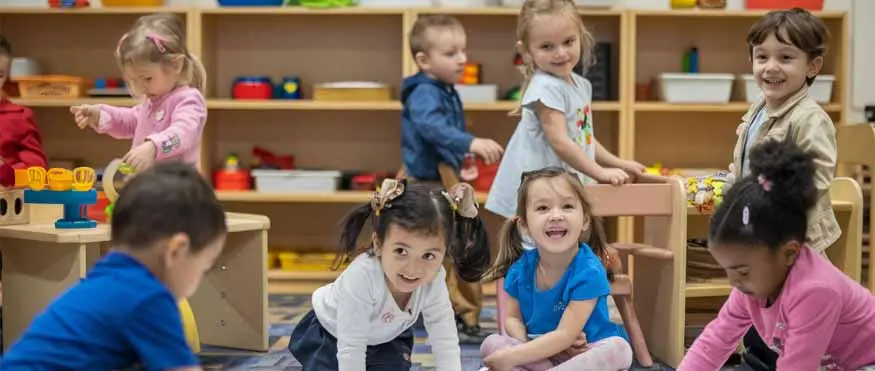
Integrated education focuses on creating learning environments where students with varied abilities, needs, and experiences learn together in mainstream classrooms. The aim is not just academic growth, but also social inclusion, empathy, and equal participation for all learners.
What Is Integrated Education?
Integrated education is an educational approach that brings students from different backgrounds—including those with physical, emotional, cognitive, or learning challenges—into the same classroom setting. Instead of separating learners based on ability, this model encourages shared learning experiences, supported by flexible teaching strategies and additional resources when required.
This approach promotes:
- Acceptance of diversity
- Equal learning opportunities
- Collaboration and mutual respect
- A sense of belonging among students
Teachers play a central role in integrated education. With the support of modern teaching tools, adaptive curricula, and continuous training, educators can address varied learning needs while maintaining high academic standards for all students.
How Integrated Education Works in India
In India, integrated education is guided by the principle that every child deserves access to quality education within the mainstream system. Schools adopt several practices to make inclusive learning effective and sustainable.
Inclusive and Flexible Curriculum
Integrated education promotes a curriculum that adapts to different learning styles and abilities. Lessons are designed to be flexible, allowing teachers to modify content, pace, and assessment methods to suit individual learners without compromising overall learning goals.
Accessible Infrastructure
Schools work towards making campuses physically accessible by:
- Installing ramps and elevators
- Creating barrier-free classrooms
- Modifying washrooms and common areas
This ensures that students with physical disabilities can move around the school safely and independently.
Individualized Support Systems
Students with special needs are supported through:
- Special educators and resource rooms
- Assistive learning tools and technologies
- Personalized learning plans
This additional support allows students to actively participate in regular classroom activities.
Teacher Training and Preparedness
Teachers receive specialized training to:
- Identify diverse learning needs
- Use inclusive teaching strategies
- Adapt lesson plans and assessments
Well-prepared educators are key to creating a welcoming and effective inclusive classroom.
Collaboration and Peer Support
Integrated education thrives on collaboration. Classroom teachers, special educators, counsellors, and therapists work together to support students. Peer interaction also plays a vital role by encouraging friendships, cooperation, and emotional support among students.
Sensitization and Awareness
Schools conduct awareness programmes for students, teachers, and parents to promote understanding, empathy, and acceptance. These initiatives help break stereotypes and build a positive school culture rooted in respect and care.
Objectives of Integrated Education
Equal Educational Opportunities
The primary goal of integrated education is to ensure that all students—regardless of ability or background—have equal access to quality learning experiences.
Inclusive Learning Environment
By integrating students, the process of integrated education helps to create an inclusive classroom where diversity is respected. This is highly encouraged in CBSE schools in Electronic city Bangalore, where an inclusive learning environment helps in the overall development of students.
Academic Achievement for All
Integrated education focuses on helping every student succeed academically through adaptive teaching methods, targeted support, and personalized learning strategies.
Social Inclusion
Learning together helps students develop empathy, reduces misconceptions, and strengthens social relationships between children with and without disabilities.
Personal Growth and Confidence
This approach supports the overall development of students by building independence, self-confidence, and self-esteem.
Also Read: The Importance of Reading Books in the Digital Era
Rights, Freedom, and Dignity
Integrated education reinforces the right to education for all children and promotes a society that respects individuality, dignity, and diversity.
Strategies and Real-Life Examples
Differentiated Instruction
Teachers use multiple teaching methods, materials, and assessment styles within the same classroom. For example, during a mathematics lesson, students may work on tasks of varying complexity based on their learning levels, allowing everyone to progress at an appropriate pace.
Assistive Technology
Technology plays a powerful role in integrated education. Examples include:
- Screen readers or magnification tools for students with visual impairments
- Captioning or listening devices for students with hearing challenges
- Digital learning platforms that support personalized learning
These tools help students participate more fully in classroom activities.
Also Read: The Intersection of Mental Health and AI: Transforming the Future of Well-Being
Types of Integrated Curriculum
Theme-Based Integration
Subjects are connected through a central theme. For instance, a unit on the environment may combine science, language studies, and social science.
Project-Based Integration
The students are involved in projects that require the application of skills from various subjects. This is a method that encourages collaboration, problem-solving, and application of knowledge, and is often adopted in CBSE schools in Whitefield to improve learning.
Inquiry-Based Integration
Students explore topics by asking questions, researching, and drawing connections across subjects, while teachers guide the learning process.
Arts Integration
Visual arts, music, and drama are blended into academic subjects to enhance creativity and expression.
Technology Integration
Technology is being actively integrated in different subjects to aid research, teamwork, presentations, and interactive learning activities. This is usually observed in the best schools in Yelahanka.
Advantages of Integrated Education
- Encourages empathy and strong social skills
- Improves academic outcomes through personalized instruction
- Promotes inclusivity and a sense of belonging
- Develops teamwork and collaboration
- Prepares students for diverse real-world environments
- Reduces stigma and encourages acceptance
- Builds respect for individual strengths and differences
Conclusion
Integrated education represents a meaningful shift towards a more inclusive, compassionate, and equitable education system. By embracing diversity, adapting curricula, and providing the right support, schools can ensure that every child learns, grows, and thrives together.
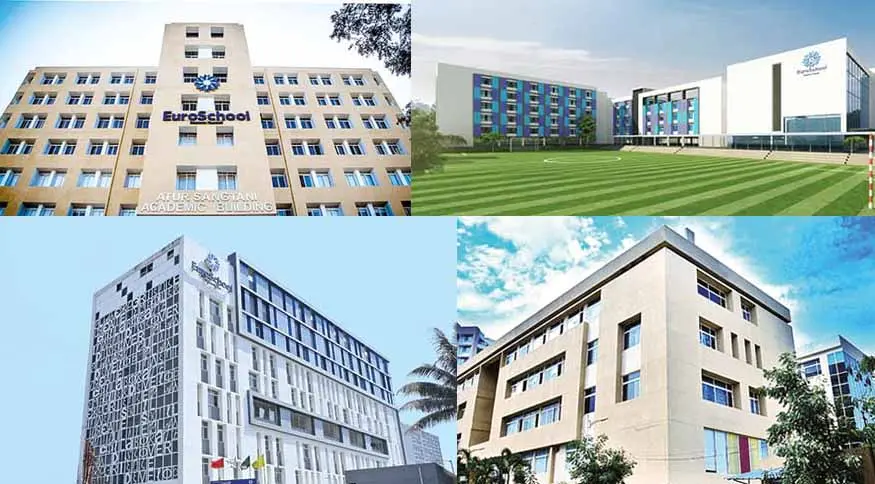
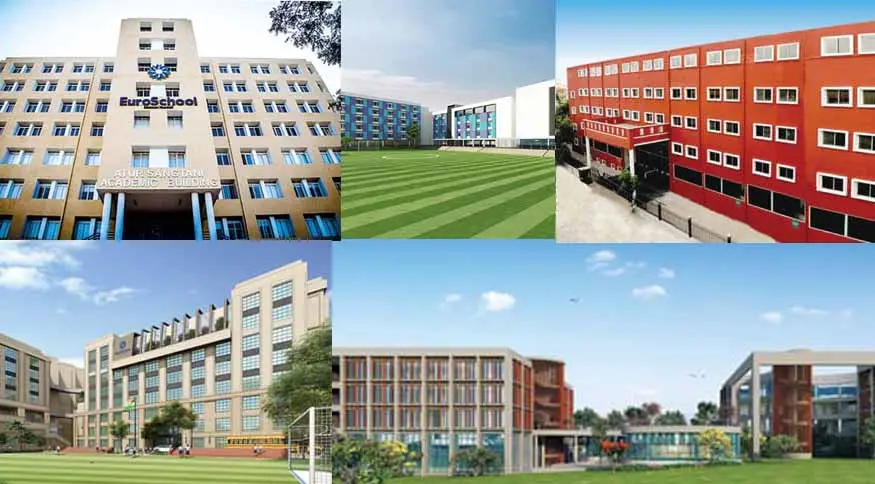
At EuroSchool, integrated education is not just a concept but a commitment. Through inclusive policies, flexible teaching approaches, and a supportive learning environment, we aim to nurture confident, capable learners who respect differences and contribute positively to society.
If you are looking for a school that values individuality while promoting academic excellence, explore EuroSchool’s admission process and take the first step towards an inclusive and future-ready education for your child.