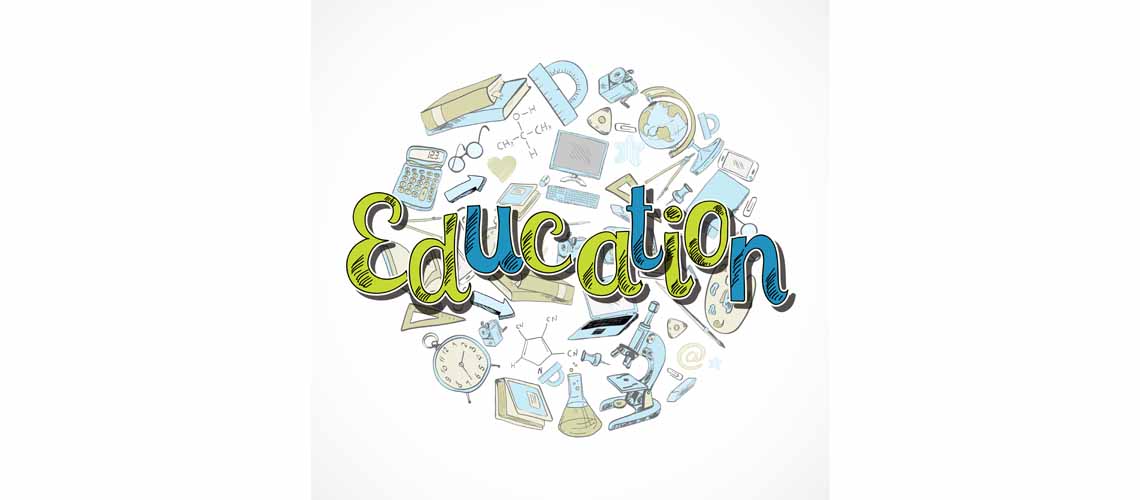
Education is the steady growth of knowledge, skills, values, and habits that help a person think clearly and live well with others. It is more than reading a textbook or sitting in a classroom. It shapes character, judgement, and the way we understand the world around us.
At its best, education gives people the tools to make sense of things. It teaches us to weigh evidence, to make sound choices, and to adapt when circumstances change. As reference works like Britannica note, education includes planned teaching and the informal learning that happens through daily life. Both strands build reasoning, creativity, and problem solving, which matter for personal progress and for a country’s development.
Learning does not start with exams. It starts when a child begins to notice patterns, ask questions, and copy what others do. Families, teachers, friends, and the local environment all play a part. Later, schools and colleges bring structure. They offer a path through subjects and activities that help pupils test ideas, practise skills, and learn how to learn.
The aim of education is broader than high marks. It should develop sound values, self-discipline, empathy, and a sense of duty to others. It helps us choose right over wrong, respect different views, and take part in our communities. Good education strengthens both the mind and the heart. It encourages integrity and resilience, and it gives people the confidence to set goals and pursue them.
Also Read – What is E-Library: Importance Of Digital Library For Students
An educated person is not simply someone who knows many facts. It is someone who can use what they know wisely. Education widens perspective, improves communication, and builds the courage to face difficult tasks. Through steady learning, people find their strengths and their responsibilities, both to themselves and to society.
Three broad types of education
Keep these all pointer in
- Formal education
This takes place in schools, colleges, and universities. It follows a clear curriculum from early years through to higher study. Pupils meet core subjects such as mathematics, science, languages, and history, along with sport and the arts. Good teaching blends knowledge with guidance so that pupils pick up both understanding and sound habits. - Informal education
This happens outside the timetable. We learn from daily experience, family conversations, clubs, work, travel, books, and the media. A great deal of what lasts is learned this way: how to cooperate, how to listen, how to be resourceful, how to manage time and money. Informal learning is constant and shapes outlook and behaviour. - Non-formal education
This covers organised learning outside the standard classroom, often focused on practical skills. Examples include computing courses, language classes, apprenticeships, and arts workshops. It is flexible, suited to different ages, and links directly to real tasks. It helps people upskill, change direction, or turn an interest into a trade.
Education in India
India’s education system is structured from early childhood to primary and secondary levels, and then progresses to university and professional studies. In recent years, there has been a marked shift toward broader and more practical learning. Policies such as the National Education Policy promote creativity, critical thinking, and hands-on projects instead of rote memorisation. The goal is to build both knowledge and life skills that prepare students for work and active citizenship.
Why education matters
Education promotes individual achievements, equal opportunities and societal balance. It opens opportunities to individuals of diverse backgrounds and provides them with an avenue of bettering their lives. It is used to alleviate poverty through capacity and chance development. An educated population also leads to innovation, tolerance and strengthening of the life of the people.
Learning builds awareness about public health, the environment, and civic rights. It helps people understand how decisions are made and how to take part. With a good education, citizens are more likely to question unfairness, value diversity, and work for improvements where they live.
Also Read – Introduction to the 7 Continents of the World for Kids
Curiosity is at the heart of learning. Education keeps minds active and open to new ideas. In a world shaped by rapid changes in science, technology, and communication, the habit of continuing to learn is essential. People who keep learning are better able to adapt, create, and solve problems with others.
A society that values learning tends to value fairness, clear thinking, and dignity as well. It is more likely to enjoy cooperation and steady progress. When educated people make better decisions on their own behalf, and on behalf of the common good, they will have a greater opportunity to initiate businesses, develop solutions, and offer leadership to the generations to come.
In essence
Education does not mean learning facts or acquiring certificates. It is the art of learning how to think, how to challenge and how to behave responsibly. It assists individuals to seek meaning, construct judgement and give. It takes us out of perplexity to clarity, and possibility to accomplishment.
Learning does not end with school. Any experience or discussion and issue addressed contributes to our knowledge. With the changes in conditions, education changes, leading people and nations.
To sum up, education is the base of a strong and fair society. It equips people, brings light to difficult issues, and helps communities pull together. By promoting equality, wisdom, and practical awareness, it supports a world that values both knowledge and humanity. Education is not only a path to employment. It is a lifelong effort to live with purpose, respect, and care for others.