Education as the Cornerstone of Progress
Education is more than school and exams. It is the base of a nation’s progress. India is young and fast growing. With over half the population under 30, the future depends on how well we teach, guide, and support our youth. Quality education builds real skills, sound values, and steady confidence. It helps people earn a living and also give back to society. The National Education Policy 2020 points to the same aim. Every child should be helped to reach their full potential.
1. Driving Economic Growth and Development
A strong economy needs people who can think clearly, solve problems, and learn new tools. India will soon have one of the largest working age populations. This becomes an advantage only if people receive good teaching and training. Quality education turns students into professionals who can adapt and lead. Sectors like technology, healthcare, green energy, and manufacturing depend on such talent.
2. Reducing Inequality and Bridging Social Divides
Gaps between city and village schools hold children back. Quality education acts as an equaliser. Trained teachers, useful technology, and caring classrooms help every child move forward. When girls study well, whole families benefit. Each extra year of schooling can raise future earnings and improve health. Good schooling lifts individuals and strengthens communities.
3. Empowerment and Social Transformation
Education gives people the power to make informed choices and to stand up for what is right. It builds awareness, empathy, and a sense of duty. In a diverse country, good teaching encourages respect across language, region, and faith. People who learn well are more likely to vote, volunteer, and support positive change. This builds a fair and forward looking society.
4. Enhancing Employability and Workforce Readiness
A degree alone is not enough. Employers want clear communication, teamwork, and the ability to adapt. Many graduates face a skills gap. They know the theory but lack practice. Quality education closes this gap by linking lessons to projects, internships, and real problems. It builds digital skills and everyday habits that make people job ready from day one.
5. Promoting Innovation, Research, and Creativity
Nations move ahead when new ideas thrive. Quality education invites questions, trials, and improvements. Less cramming. More making. India’s successes in space, medicine, and clean tech show what is possible when curiosity meets good teaching. Schools and universities should give time and space for design, research, and creative work.
Also Read: AI-Powered Learning Apps for Students
6. Ensuring Global Competitiveness
The world is connected. Young Indians need strong basics, digital fluency, and comfort with other cultures. Countries that back education do better on innovation and income. If India aims to be a five trillion dollar economy, its education must meet global standards while staying rooted in Indian strengths. Students who gain broad skills can succeed anywhere.
7. Strengthening National Unity and Identity
Education does more than prepare people for jobs. It builds a shared sense of who we are. In a diverse nation, good teaching nurtures respect for different traditions while encouraging pride in our common story. Children learn to value their roots and to engage with the modern world with confidence.
The Current Challenge? Access versus Quality
India has brought many more children into school and raised literacy. This is real progress. Yet access is not the same as learning. Many classrooms still rely on memorising. Teacher support is often limited. Facilities and labs need care and investment. The National Education Policy seeks learning that is active, thoughtful, and relevant. For this to take hold, the country needs steady funding, ongoing teacher development, and teamwork among schools, families, and policymakers.
Conclusion: The Road Ahead for India
Indians need quality education to build good careers, to lift communities, and to keep the country inventive and united. Real education is not only about textbooks. It helps people think for themselves, act with care, and contribute to the common good.
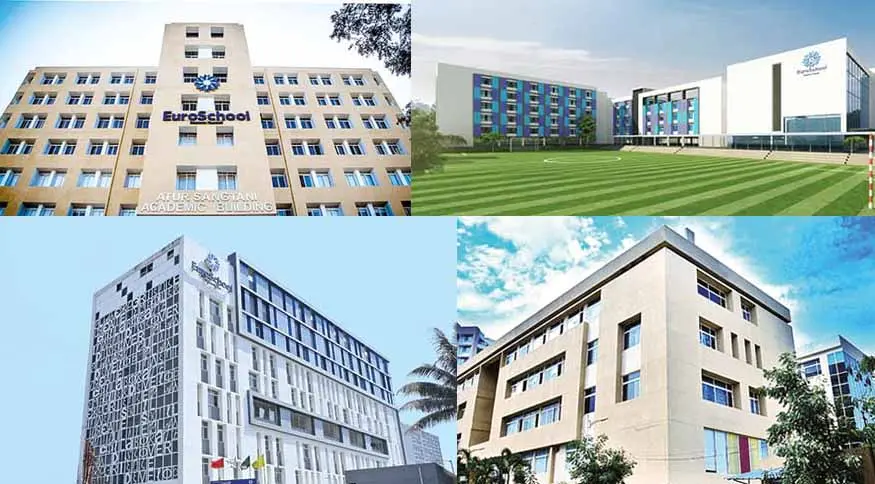
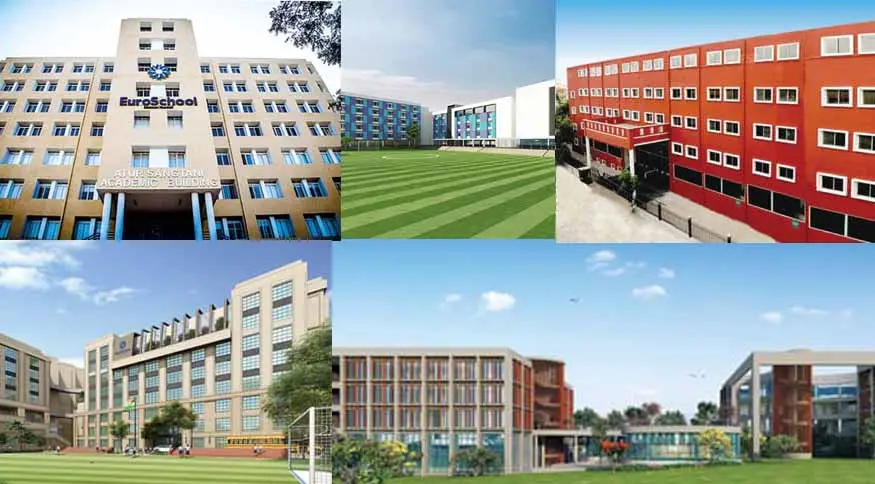
At EuroSchool Bangalore, this belief shapes daily practice. The approach blends strong academics with life skills, emotional growth, and creative work. Students are encouraged to try, to create, and to lead. Confidence grows step by step.
Grades matter. Growth matters more. With steady effort, India can move from access for most to quality for all. When that happens, classrooms become places of possibility, and the future opens wider for everyone.