
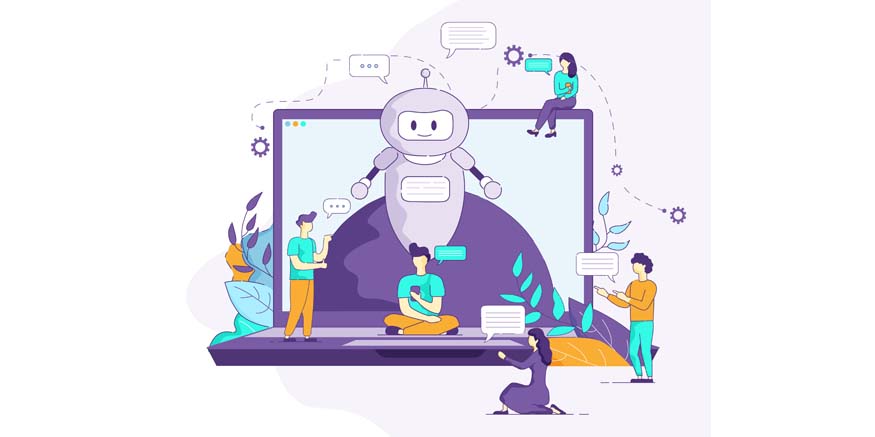
Artificial Intelligence (AI) is no longer a concept reserved for science fiction – it’s shaping our present. In education, AI is helping students learn smarter, supporting teachers with intelligent tools, and giving parents better insight into their children’s progress.
But with all this innovation comes a pressing question for young learners: What should students really know about AI? Understanding AI today is just as important as learning math or science. It’s not just about programming robots; it’s about understanding how algorithms influence your social media feed, how virtual assistants answer your questions, and how your online classes adapt to your strengths.
Whether you’re curious about a career in tech or simply want to stay ahead in a tech-savvy world, exploring the world of AI is now a must for every student.
What is Artificial Intelligence?
Artificial intelligence is the replication of human cognition in machines. These devices are made to mimic human thought processes, learning, and decision-making. AI isn’t just about robots – it’s the technology behind voice assistants, recommendation systems on Netflix, and even self-driving cars.
There are three major types of AI:
- Narrow AI: It performs specific tasks such as translating languages or recognising faces.
- General AI: It aims to mimic human cognition and processes of decision-making.
- Super AI: It is a theoretical concept where machines surpass human intelligence.
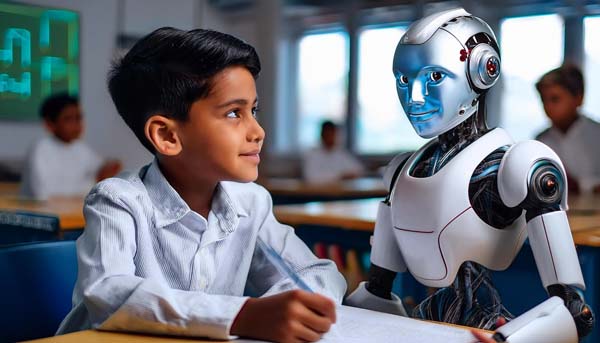
Why AI Matters for Students Today?
AI is rapidly changing the job market and the way we live. According to the World Economic Forum, AI might eliminate 85 million jobs by 2025, but also create 97 million new ones. This shift makes it crucial for students to understand the implications of AI and how to stay ahead of the curve.
Here’s why it’s important:
- AI is Everywhere: From medicine to marketing, AI is already integrated into various fields.
- New Career Paths: Roles like AI ethicist, data scientist, and machine learning engineer are in high demand.
- Enhanced Learning: AI-powered tools personalise education and provide smarter study assistance.
Top AI Tools and Platforms Students Can Explore
- Google AI: Offers a suite of free tools and courses.
- IBM Watson: A powerful AI tool with real-world applications.
- OpenAI: The creators of ChatGPT, offering APIs and research insights.
- Microsoft Azure AI: Provides cloud-based AI development platforms.
These tools not only help you learn but also give you hands-on experience with real AI projects.
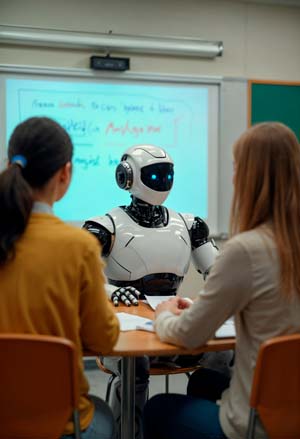
How AI Is Being Used in Education?
AI is revolutionising education in remarkable ways:
- Personalised Learning: AI systems adjust the difficulty of lessons based on student performance.
- Smart Tutors: Virtual assistants that help explain concepts and answer questions.
- Automated Grading: Teachers save time and focus more on instruction.
- Learning Analytics: Track student progress and predict challenges before they arise.
Ethical Considerations Students Should Understand
With great power comes great responsibility. As AI advances, ethical questions arise:
- Bias in AI: AI systems can reflect biases present in data. It may also include mistakes.
- Privacy Concerns: AI often requires massive data collection.
- Job Displacement: Automation can impact certain career paths.
- Overdependence on Technology: Students might rely on tools instead of thinking critically.
Students should learn about these challenges and advocate for responsible AI development.
Era of AI in Education
The use of artificial intelligence in education will rise rapidly over the next decade. Here’s what the future might hold:
- AI-Enhanced Classrooms: Intelligent boards and AI cameras to monitor engagement and adjust teaching methods.
- Virtual Reality & AI Integration: Fully immersive learning environments.
- Predictive Education Models: Systems that identify learning difficulties and intervene early.
- Global Learning Accessibility: AI-driven translation and content adaptation to bridge language and regional barriers.
As AI becomes more intuitive and human-centric, its impact on personalised education, global outreach, and inclusive learning will deepen.
How Can AI Help Students, Teachers & Parents?
For Students:
- Instant Doubt Clearance: AI chatbots help clear doubts instantly.
- Self-Paced Learning: Apps allow flexible schedules and repeated lessons.
- Progress Tracking: Students can view detailed performance analytics.
For Teachers:
- Administrative Relief: AI automates grading and planning.
- Targeted Teaching: Insights on each student’s performance allow for focused instruction.
- Professional Development: AI tools recommend training based on teaching patterns.
For Parents:
- Performance Monitoring: Real-time updates on children’s learning.
- Smart Alerts: Notifications about missing homework, drop in performance, or disengagement.
- Learning Support: Tools that help parents guide children through at-home learning.
This holistic AI integration ensures that all key stakeholders in a child’s education are aligned and informed.
What the Future Holds?
AI is expected to become even more integrated into our lives, from AI doctors diagnosing diseases to intelligent urban planning. As the technology evolves, those with the knowledge and skills to work alongside AI will be the ones shaping the future.
Tips for Students Interested in AI Careers
- Start Early: Even basic exposure to AI concepts in high school can be a huge advantage.
- Join Clubs and Competitions: Robotics clubs, hackathons, and AI challenges offer practical exposure.
- Intern and Network: Look for internships or mentorships in tech firms.
- Build a Portfolio: Create AI-based projects and share them on GitHub or personal websites.
Summing up!
The field of artificial intelligence is broad, fascinating, and full of possibilities. For students, embracing AI isn’t just an option – it’s a necessity for future success. Whether you’re aiming to build AI technologies or use them creatively in your profession, the journey starts with understanding and curiosity.
By learning the fundamentals, exploring ethical dimensions, and developing key skills, students can become active contributors in shaping the future of AI.
Frequently Asked Questions (FAQs)
Q1. What is Artificial Intelligence in simple terms? AI refers to machines that can perform tasks that generally require human intellect, such as learning, problem-solving, and decision-making.
Q2. Is AI difficult to learn for beginners?
Not at all! With the right resources and motivation, even high school students can start learning the basics of AI and machine learning.
Q3. Can AI replace human jobs?
AI will automate some jobs, but it will also create new opportunities. The key is adapting by learning new skills relevant to future roles.
Q4. What programming languages are best for AI?
Python is the most popular language for advanced AI applications, followed by R, Java, and Julia.
Q5. Do I need a background in math to learn AI?
Yes, a good grasp of math (especially statistics and algebra) helps, but you can start small and build up as you learn more.
Q6. Are there free courses to learn AI?
Absolutely! Platforms like Coursera, edX, and Google offer excellent beginner-friendly and free courses.
Stay Curious. Stay Informed!
If you found this article insightful, you’ll love the wide range of education-focused blogs at EuroSchool. From study tips to the latest in EdTech trends, EuroSchool’s blogs are designed to keep you updated, inspired, and informed.