Stories are powerful
It’s a well-known fact that stories weave a tale that is spun to enthral the audience in its intricacy. Folk tales are a rich repository of cultural knowledge that has helped preserve oral traditions for several generations.
Folk tales are classified into different categories based on their themes.
- Fairy tales – They are rich in magical elements with larger-than-life imaginative characters created to serve the fantastical imagination of the reader. Familiar fairy tales include Cinderella, Snow White, and Beauty and the Beast.
- Fables – They certainly provide knowledge, with education serving as a moral compass and helping to develop our social and emotional behaviour. For example, ‘The Boy Who Cried Wolf’ taught the complexity of human nature.
- Legend – The stories of legends bring us closer to the heroic strength and valour of the main characters, such as the Legend of King Arthur, Robin Hood and many others.
- Myth and Tall Tales- Myth details the mythological journey of gods, and tall tales discover larger-than-life characters.
Common Themes of Folk Tales
- Joys and Sorrow – The shared factor in folk tales’ details is when a character meets joy and sorrow in their life. This theme is found in several works such as The Fisherman and His Wife, Cinderella and The Beauty and the Beast. These unconventional yet moral-based stories reflect the journey of achieving joy through hardships, life lessons, and seeking knowledge, and they become the symbol of happiness and success.
- Animals and magic beings- Many stories bring animals alive who can speak, act and convey a message. The infamous stories of The Monkey and the Crocodile, The Hare and the Tortoise, Vikram Betal, The Frog Prince and many others bring alive human traits, making them appealing for not only the visual element but also for teaching us the importance of courage, strength, patience and wisdom. These are essential elements of a good folk tale.
- Heroes and Villains- One of the important aspects of folk tales is a representation of good vs evil through a story. Our very popular stories like Ramayana and Mahabharata are epics depicting how good overcomes evil through various struggles and battles. Some more include Jack and the Beanstalk, Hansel and Gretel, King Midas and many others. In such stories, heroes serve as role models for being brave and clever in the face of adversity, contrasting the vicious characters that seek revenge, anger or destruction.
Indian folk tales
In India, folk tales are different from the West as they inherit traditional values through their stories. Their distinct characteristics include stories about kings such as Akbar and Birbal teaching us to be wise like Birbal. Jataka Tales emphasizes Buddha’s principles wherein he traverses lands as different animals to impart values to people. The oldest form is Panchatantra teaching about necessary skills and where heroes are animals. We understand the rich history of India through the past as in these stories.
Why are folk tales important for educators?
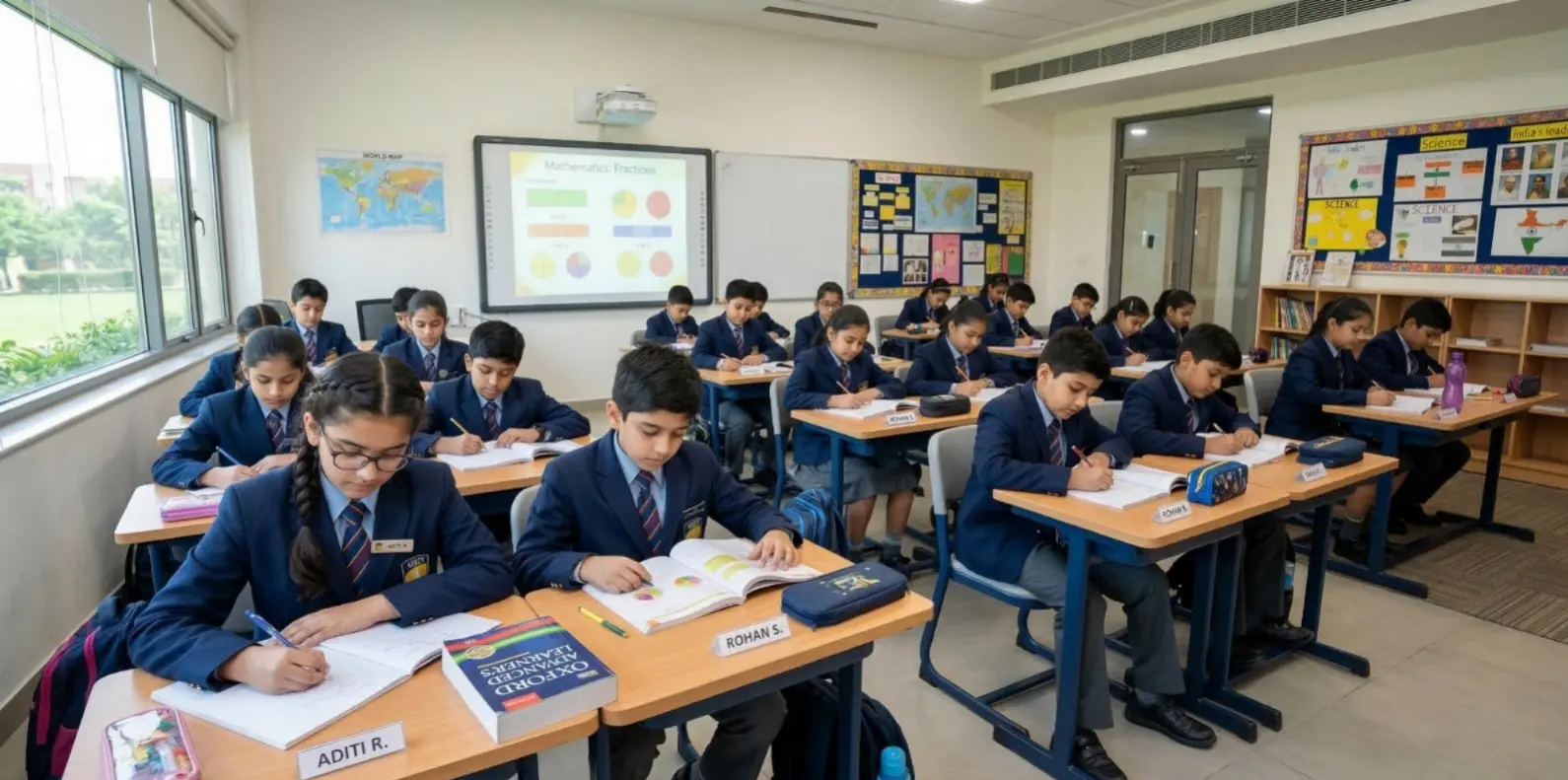
They are rich traditions passed from one generation to the next paving their way in the children’s literary heritage. They are a cultural right of children as they grow up learning valuable lessons, meanings and messages from them. Insights into our past, another culture, values, beliefs traditions etc. are critical to building their knowledge and understanding. Global folk tales mainly follow the same themes showcasing the rich history and heritage of a global world. It has educational benefits as they develop reading and writing skills, and enhance critical thinking while discovering the problems faced by the hero. Children’s imaginations can be widened as they delve into the world of magical beings and supernatural characters, thereby making these tales significant to how children perceive their lives, helping to navigate through challenges as the characters do. Teaching life skills, social skills or just discovering the idea of right and wrong; these stories are poignant in bringing characters to life.
Classifying this genre
These stories can be both real as well as imaginary. They consist of archetypal characters and mostly aim to impart a lesson. The narrative is simple with a plot following a journey through change, transformation or moral lesson. It is mostly written in an informal and informational way imparting knowledge and moral values. Commonly repeated phrases such as “Once upon a time” and “happily ever after” are used in this genre following simple language and direct approach in writing.
Adapting folk tales into learning
- Children will develop better vocabulary as they navigate through a story, learning new words and connecting them in real-life scenarios. This also enhances their oral expression.
- Participating in skits or dramas will enhance their understanding of the actions of the characters. Whether it is seeking adventure or solving a problem, dramas can enhance their concepts.
- Learning moral values like truth, falsehood, and right and wrong serve as essential skills in building character which helps them achieve success in later life.
- Narrating stories or practising plot development activities such as changing the end, creating new characters or adding a current scenario to teach the same concept are various ways to bring the story alive.
- Celebrating another culture at the same time learning about our customs and traditions will help develop a deeper understanding of our roots.
Summary
Today, we are reading some of the tales in schoolbooks and many new forms of literature have pushed away these valuable stories aside from us. While traversing into distant lands is a possibility today, it is this rich shared story of creative geniuses that has paved the way for educational stories that impart knowledge and values. In changing times, these are not going to be outdated but are going to be upgraded to reach out to all the readers. Therefore, we need not see it with apprehension but rather impart the objectives that it aims to achieve through these stories.
What are your thoughts on incorporating these stories into the teaching and learning journey?
Pic Courtesy – https://www.smp.org/resourcecenter/resource/1364/