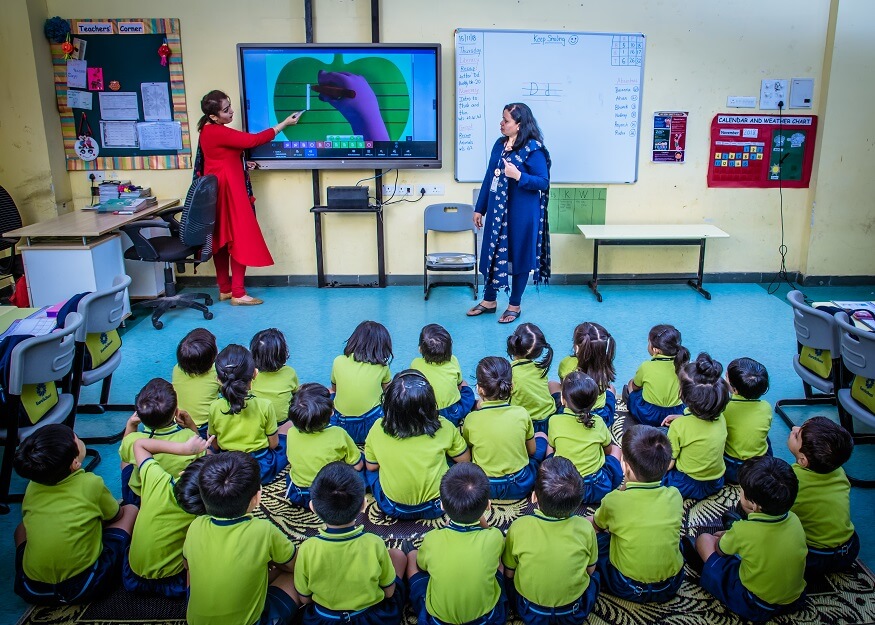
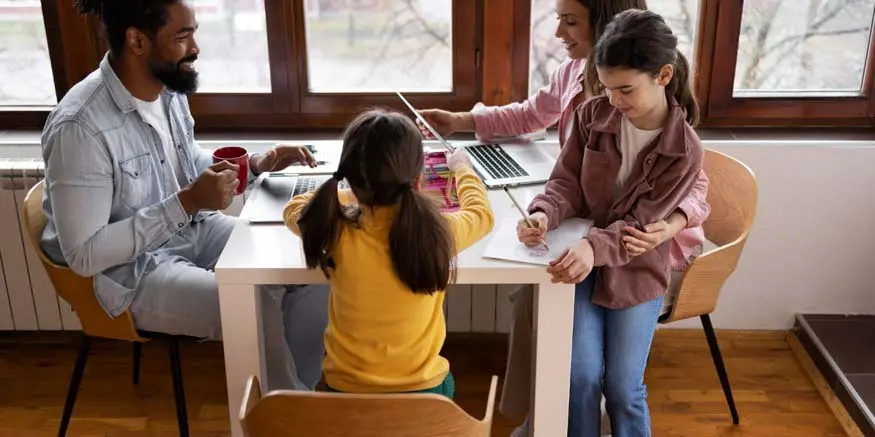
A child learns both at school and at home. Teachers help children learn in the classroom, while parents support them at home. When parents and teachers share information, they can work together to help children learn and grow.
A Parent Teacher Meeting (PTM) gives parents a chance to understand how their child is doing at school. They can talk to teachers about their child’s studies, behaviour, interests, and areas that need improvement.
What Is a Parent Teacher Meeting?
A Parent Teacher Meeting is a meeting where parents and teachers discuss a child’s progress at school. It helps parents understand what their child is learning and whether they need extra support.
For example, a teacher may tell a parent that their child reads well but needs more practice in maths. The parent can then help the child practise maths at home.
A PTM allows parents and teachers to share their observations and find ways to support the child.
Why Is a Parent Teacher Meeting Important?
Parent Teacher Meetings help parents and teachers understand a child’s needs and support their learning.
- Understand your child’s progress
Parents can learn how their child is doing in different subjects. Teachers can explain what the child does well and which topics need more practice.
- Learn about behaviour and friendships
Teachers can share how the child behaves in class, takes part in activities, and gets along with classmates.
- Find out where your child needs help
Every child learns at a different pace. A PTM helps parents understand where their child may need extra support.
- Build a good relationship with teachers
Regular meetings help parents and teachers share their thoughts and discuss any concerns. This makes it easier to work together.
- Learn how to help at home
Teachers can suggest simple ways parents can help with reading, homework, and revision at home.
Also Read:
The Importance of Parent-Teacher Meetings at School
What Should Parents Discuss During a PTM?
Parents can ask questions to understand their child’s progress better. Here are some important things to discuss:
Studies: Ask how your child is doing in different subjects.
Class participation: Find out whether your child takes part in classroom activities.
Behaviour and friendships: Ask how your child interacts with classmates and teachers.
Interests: Find out which subjects and activities your child enjoys.
Areas for improvement: Discuss any subjects or skills your child finds difficult.
Support at home: Ask how you can help your child practise and learn better.
Parents can focus on the questions that matter most to their child.
How Can Parents Prepare for a PTM?
A little preparation can help parents make the most of the meeting.
- Write down your questions
Make a list of things you want to discuss. This will help you remember important points during the meeting.
- Talk to your child
Ask your child what they enjoy at school and whether they find anything difficult. This can help you understand their needs.
- Listen to the teacher
Teachers see how children learn and behave in class. Listen to their feedback and ask questions if you need more information.
- Share your concerns
Tell the teacher about any difficulties you have noticed at home, such as problems with homework or reading.
- Discuss what to do next
If your child needs help, ask the teacher what you can do at home and how the school can support them.
What Can Parents Do After a PTM?
Parents can use the teacher’s suggestions to help their child at home.
Here are a few simple steps:
Set aside time for homework and reading.
Help your child practise difficult topics.
Encourage your child to ask questions.
Praise their efforts and progress, not just their marks.
Stay in touch with the teacher if you have concerns.
Parents should also remind children that the purpose of the meeting is to help them learn and improve, not to make them worry about their marks.
How EuroSchool Supports Parents and Teachers
At EuroSchool, Parent Teacher Meetings give parents an opportunity to discuss their child’s progress with teachers. These discussions help parents understand their child’s learning needs and share what they have noticed at home.
When parents and teachers work together, they can help children improve their learning, build confidence, and develop good study habits.
Conclusion
A Parent Teacher Meeting helps parents understand how their child is doing at school. It gives them a chance to discuss progress, ask questions, and find ways to support learning at home.
When parents and teachers communicate regularly, they can work together to help children learn, grow, and become more confident.