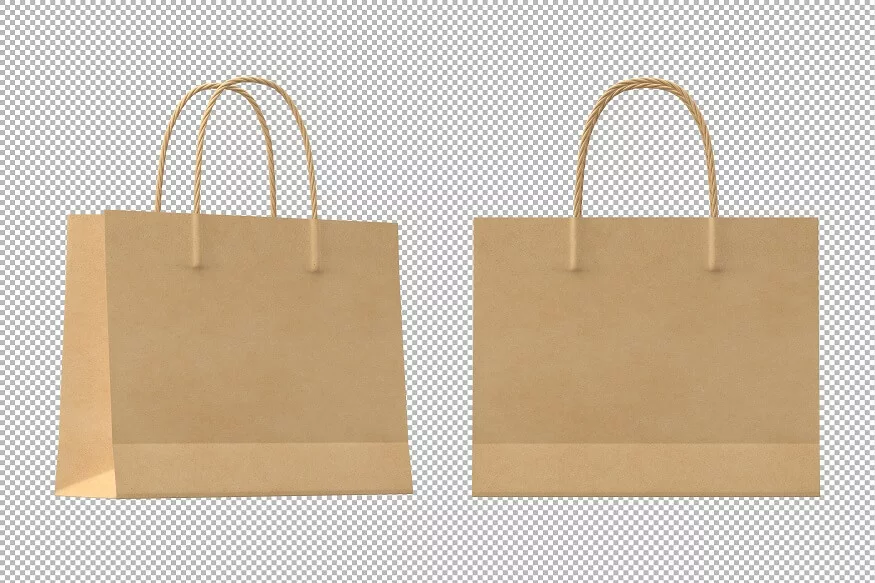
As families and schools move towards more eco-friendly habits, simple activities can make a big difference. One such activity is learning how to make paper bags at home. Paper bags are a sustainable alternative to plastic bags and also offer a wonderful opportunity for children to learn creativity, responsibility, and environmental awareness through hands-on play.
This easy DIY activity is perfect for children of all ages and can be done using materials already available at home. Along the way, children also learn why paper bags are better for the planet and how small choices can create positive change.
How to Make Paper Bags at Home
Making paper bags is a simple, enjoyable craft that helps children practise fine motor skills while encouraging reuse and recycling. In activities encouraged by the best CBSE schools in Whitefield, follow these easy steps to create your own paper bag.
Materials Required
- Large sheets of recycled paper (newspapers, old magazines, or wrapping paper)
- Ruler
- Pencil
- Scissors
- Glue or tape
- Decorative items like crayons, stickers, or paper cut-outs (optional)
Step-by-Step Instructions
Step 1: Prepare the Paper
Lay a large sheet of recycled paper flat on a clean surface. Make sure the paper is smooth and free from tears or sticky marks.
Step 2: Measure and Mark
Using a ruler and pencil, mark out the size of the bag. A simple size for a small paper bag is approximately 20 cm (height) × 10 cm (width) × 5 cm (base). You can adjust the size depending on what the bag will be used for.
Step 3: Cut the Paper
Carefully cut along the marked lines to form the main body of the bag.
Step 4: Fold the Paper
Fold the paper lengthwise so the edges meet evenly. Press down firmly to create neat creases.
Step 5: Make the Bottom Fold
At one open end, fold about 2–3 cm of the paper inward and crease it well. This will help form the base of the bag.
Step 6: Secure the Sides
Apply glue or tape along the side edges and press them together firmly. This seals the bag’s sides.
Step 7: Shape the Bag
Gently open the bag and push the bottom fold inward to create a flat base. This gives the bag a box-like shape that can stand upright.
Step 8: Add Handles (Optional)
Cut two thin strips of paper and attach them to the inside of the bag using glue or tape. Make sure they are securely fixed for carrying.
Step 9: Decorate
Let children decorate their paper bags with drawings, patterns, stickers, or recycled paper designs. This step encourages creativity and personal expression.
Step 10: Let It Dry
Allow the bag to dry completely before using it. Once ready, it can be used to hold gifts, stationery, toys, or snacks.
Tips for a More Sustainable Craft Activity
- Use recycled paper, old magazines, or scrap materials
- Avoid plastic decorations where possible
- Encourage children to reuse leftover craft supplies
- Talk to children about why reducing plastic waste matters
Also Read: 10 Top Hobbies for Students to Improve Creativity & Productivity
Advantages of Using Paper Bags
Paper bags offer many benefits that make them a smart and eco-friendly choice.
Environment-Friendly
Paper bags are biodegradable and recyclable, making them safer for the environment compared to plastic bags.
Reduced Plastic Usage
Using paper bags helps reduce dependence on plastic, which takes hundreds of years to decompose.
Customisable and Creative
Paper bags can be easily decorated, painted, or printed, making them perfect for crafts, gifts, and school projects in schools in HSR Layout Bangalore.
Strong and Durable
With the right thickness, paper bags can carry a surprising amount of weight without tearing.
Breathable Material
Paper allows air to pass through, making it suitable for carrying food items or materials that need ventilation.
Easy Disposal
Paper bags break down naturally, reducing landfill waste.
Encourages Sustainable Forestry
Many paper products come from responsibly managed forests, supporting tree replantation and conservation.
Reusable
Paper bags can be reused for storage, crafts, or as gift wrap, extending their usefulness beyond one-time use.
Also Read: 12 Advantages and Disadvantages of Technology in Education
Why Schools Encourage Activities Like This
Simple DIY activities like making paper bags help children learn through play. They promote creativity, fine motor development, problem-solving skills, and environmental awareness.
At EuroSchool, hands-on activities are an important part of learning. Craft-based projects help children understand real-world concepts while developing responsibility towards the environment. Activities like these also align with holistic learning by combining creativity, awareness, and practical skills.
Conclusion
Learning how to make paper bags is more than just a craft activity—it’s a lesson in sustainability, creativity, and responsible living. By reusing paper and avoiding plastic, children learn how small actions can make a meaningful impact.
So gather some recycled paper, involve your children, and enjoy creating something useful while caring for the planet—one paper bag at a time.