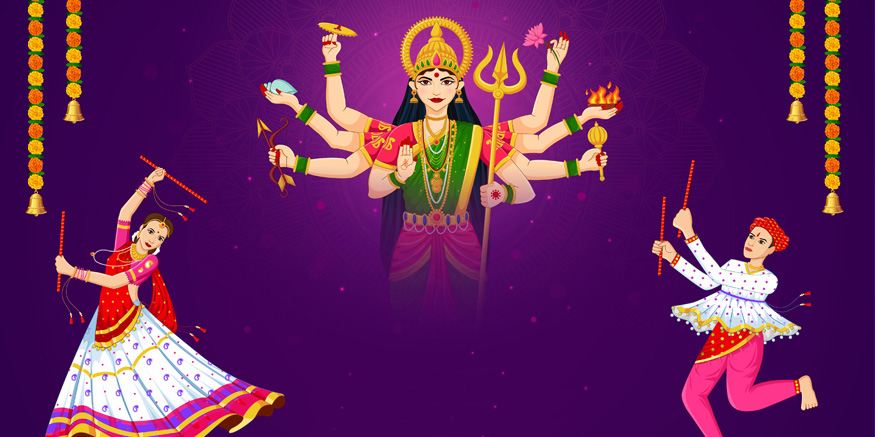
India is the country of festivals and one of the brightest and most merry events is Navratri. Families throughout the nation observe yearly to celebrate Goddess Durga by through prayers, sacrifice and songs and dances. Children would not only be taught about the rituals but the values of courage, kindness, and devotion, that the festival teaches in the Navratri 2025.
Today, we are going to discuss the period of Navratri which lasts 9 days, the significance of the days, and the ways children can be made aware of the beauty of this festival by their parents and teachers.
What is Navratri?
Navratri is a Sanskrit word that can be translated to mean nine and night (ratri). Navratri therefore, refers to 9 days of devotion to Goddess Durga in her various guises.
It is celebrated twice a year:
- Diwali (Deepavali) (November-December)
- Deepavali (Diwali) (November)
The date on which the Navratri celebration will start in 2025 is September 22, 2025 and the date on which it will close will be on the 30th of September, 2025.
Navratri Significance
Navratri is not just a religious festival; it has strong sense on both the side of the family and the children:
1. Victory of Good over Evil
It depicts the victory of Goddess Durga over Mahishasura, which teaches us the truth and good winning.
2. Strength and Courage
All the incarnations of the Goddess make us courageous when tackling life problems.
3. Oneness and Cohesiveness
The communities rejoice through music, garba, and dandiya, and this brings happiness and togetherness.
4. Spiritual development
Fasting and prayers aid individuals to concentrate on discipline and self-control.
The importance of Navratri is eternal and useful to children due to these lessons.
The Nine Days of Navratri
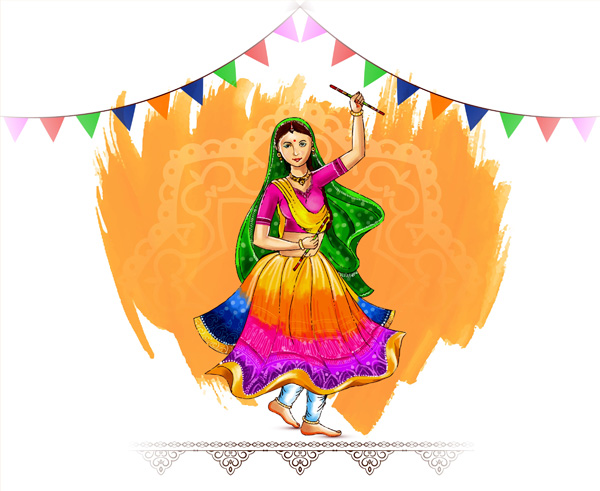
All nine days are allocated to a specific form of Goddess Durga, and each form imparts special values to children.
Day 1 – Shailaputri: She is the daughter of the mountains and is a symbol of power and bravery.
Lesson: Do not lose heart and be tough.
Day 2- Brahmacharini: She is an icon of peace, wisdom and devotion.
Lesson: Work hard and concentrate to what you want.
Day 3 – Chandraghanta: She is an embodiment of courage and defence.
Lesson: Do not be afraid and save what is right.
Day 4 – Kushmanda: It is believed that she smiles at the universe and what she touches turns into the universe.
Lesson: Positivity and creativity make one happy.
Day 5 – Skandamata: She is the mother of Kartikeya Lord and expresses love and compassion.
Lesson: You should never neglect your family and friends.
Day 6 – Katyayani: she is the personification of courage and righteousness.
Lesson: Fight on the side of righteousness.
Day 7 – Kalaratri: This is a fierce and powerful day as it gets the negativity out.
Lesson: Do not fear challenges; confront them fearlessly.
Day 8 – Mahagauri: She is calm and serene, and symbolizes forgiveness.
Lesson: Know how to forgive and be humble.
Day 9 – Siddhidatri: She bestows wisdom and powers to her spiritual children.
Lesson: Education is a real treasure.
These days of Navratri are a kind of adventure, which teaches children bravery, generosity, imagination, and wisdom.
How is Navratri Celebrated? Navratri festival is very energetic, worshipful and jubilant.
- Fasting and Prayers – Fastings and prayers are very common with families visiting the temples as a way of attaining blessings.
- Decorations – Homes are adorned with flowers, lamps and rangolis.
- Garba and Dandiya – Garba dancing is performed in groups of people, it is common in Gujarat.
- Durga Puja- In West Bengal, music, rituals and cultural programs are done in worshiping the idols of the goddess Durga.
- Meals – Community Meal is served to devotees at various locations where several places hold bhog.
To children, the rituals are essential because they take part in such practices to render the festival significant and memorable.
Navratri to Children Teaching
Parents and teachers can use the Navratri as an engaging learning experience to the children by:
1. Storytelling
recount mythological stories of Goddess Durga with a straightforward manner.
2. Art and Craft
Teach the children to create drawings in Navratri theme, rangoli or Goddess masks.
3. Dance and Music
These two teach them some simple steps of the garba and devotional songs.
4. Moral Lessons
Associate every Goddess with values in the real life such as courage, kindness and truth.
5. Festival Projects
Given out little tasks such as creating a calendar of Navratri or writing about the Navratri significance. In such a manner, children do not just celebrate but also learn about the real meaning of Navratri.
The Reason why Navratri is important to Kids nowadays.
In the modern era of a hectic lifestyle, such events as Navratri serve as a chance to take a step back to value. In the case of children, Navratri teaches:
- Punishment by fasting and prayers.
- Garba, dandiya and group celebrations so as to foster community spirit.
- Women were respected as they honoured goddess Durga.
- Bravery and sympathy by the tales of the Goddess.
Navratri is therefore, not an ordinary celebration, it is a character building festival.
Conclusion
Rituals, fasting and dancing are not all that Navratri 2025 is about, the values that we learn when attending the ceremony will remain a part of us forever. Nine days of Navratri demonstrate to children that they should be courageous, good, imaginative, and smart.
Parents and teachers by educating children on the significance of the Navratri make sure that this festival is not only celebrated but also learnt.
This time, Navratri therefore, we should celebrate with devotion, happiness and also learning and share the wisdom of Goddess Durga with the other generation.
This is because according to us, the best method of imparting values and culture to children is through festivals in EuroSchool. Discover our ways of integrating learning and celebration in our schools.