
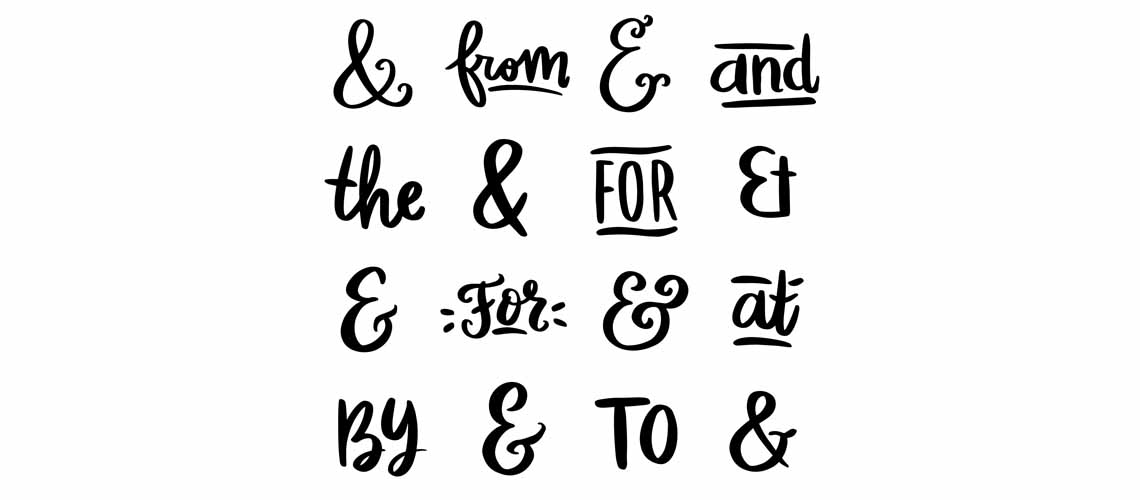
Language helps us share ideas, tell stories, and make sense of the world. Conjunctions are little words that join our ideas together. They are like glue for sentences!
Let’s learn what conjunctions are, the different kinds we use, and how they make our writing smoother and more fun.
What Is a Conjunction?
A conjunction is a word that joins other words, phrases, or sentences so they make sense together.
Examples:
- “I like apples and bananas.”
- “She was tired but she finished her homework.”
See how ‘and’ and ‘but’ connect ideas? That is what conjunctions do.
Types of Conjunctions
There are three main types of conjunctions:
- Coordinating Conjunctions
- Subordinating Conjunctions
- Correlative Conjunctions
1. Coordinating Conjunctions
They are accompanied with words or sentences that are equally significant.
The most frequent ones are the ones that can be easily recalled with the word FANBOYS: For, And, Nor, But, Or, Yet, So
Examples:
- “He wants to play or read.”
- “She studied hard, and she passed the exam.”
- “It rained, but they still went out.”
2. Subordinating Conjunctions
These connect a main idea with a smaller idea that depends on it.
They often show time, reason, contrast, or condition.
Some common ones are because, although, since, if, when, while, after, before, unless, though, as, until.
Examples:
- “We will start when she arrives.”
- “I stayed home because I was sick.”
- “Although it was raining, they played outside.”
3. Correlative Conjunctions
These come in pairs and work together to connect ideas.
Examples include either…or, neither…nor, both…and, not only…but also.
Examples:
- “She will either study or play.”
- “He is not only smart but also kind.”
- “They have both cats and dogs.”
Subordinating Conjunctions in Action
Subordinating conjunctions help explain why, when, or under what conditions something happens.
Examples:
- “We’ll eat after Mum comes.”
- “She left because she felt unwell.”
- “Do your homework before watching TV.”
More Examples of Conjunctions
- “I want tea and biscuits.” (and – coordinating)
- “She was tired, but she kept going.” (but – coordinating)
- “I will call you after I finish homework.” (after – subordinating)
- “You will pass if you study.” (if – subordinating)
- “They have both apples and bananas.” (both…and – correlative)
- “He is not only clever but also kind.” (not only…but also – correlative)
Tips for Learning Conjunctions
- Remember FANBOYS for coordinating conjunctions.
- Make a list of common subordinating ones like because, if, and when.
- Practice using pairs like either…or and both…and.
- Try joining short sentences together with conjunctions.
- When you read stories, look for conjunctions and underline them.
Conclusion
The small and powerless words known as conjunctions facilitate the flow of sentences and connect the ideas in a sentence. The three categories, or coordinating, subordinating, and correlative, are assigned their respective jobs. It will only take you some practice before you are making smoother, stronger and interesting sentences with the use of conjunctions.
Enjoyed learning with us?
Visit EuroSchool to explore more fun lessons and activities!