The education landscape in India is undergoing a significant transformation, and many parents are finding themselves asking the same question: what do the latest CBSE curriculum changes mean for my child?
With the introduction of the new CBSE curriculum for 2026-27, schools across the country are preparing for a learning approach that places greater emphasis on critical thinking, practical application, and future-ready skills. These updates are closely aligned with the National Education Policy (NEP) 2020 and the National Curriculum Framework (NCF), both of which aim to reshape how students learn, grow, and prepare for life beyond the classroom.
For parents, understanding these CBSE NEP 2020 changes is important because they represent much more than a syllabus update. They reflect a broader shift in how education is being viewed in India.
At EuroSchool CBSE school in Bannerghatta, we understand that educational reforms can bring both excitement and uncertainty. While every change raises questions, it also creates opportunities for students to develop skills that will serve them well in a rapidly evolving world.
Understanding the New CBSE Framework
The new CBSE framework is built around a simple but powerful idea: students should understand concepts, not just memorize them.
For decades, academic success was often measured by how much information a student could recall during examinations. While knowledge remains important, today’s world demands additional skills such as problem-solving, communication, collaboration, creativity, and adaptability.
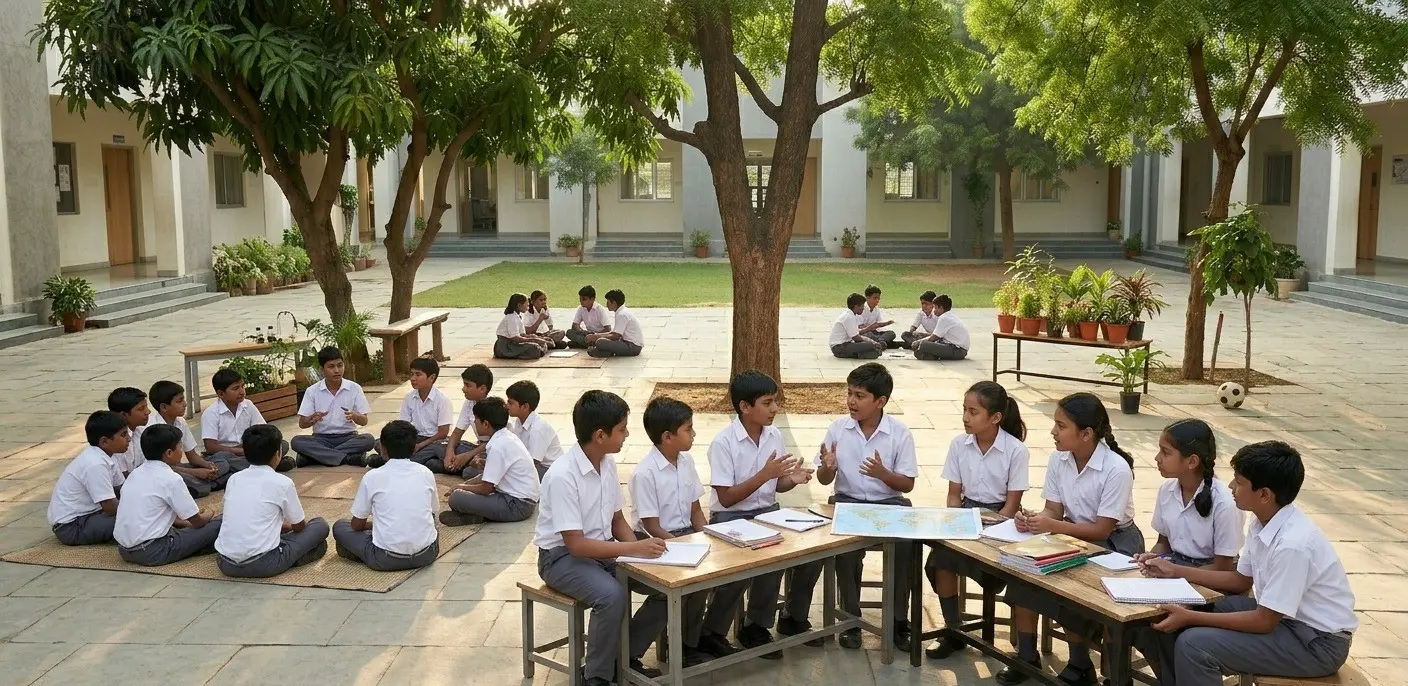
The CBSE curriculum now encourages learning experiences that go beyond textbook definitions and rote memorization. Students are expected to engage more actively with concepts, explore real-life applications, and develop a deeper understanding of subjects.
This approach aligns with a growing global recognition that future success depends not only on what students know but also on how effectively they can apply their knowledge.
Key CBSE NEP 2020 Changes Parents Should Know
1. Competency-Based Learning Takes Centre Stage
One of the most important CBSE NEP 2020 changes is the move towards competency-based education.
Instead of focusing solely on factual recall, students will increasingly be assessed on their ability to understand, analyze, and apply concepts in practical situations.
For example, rather than simply memorizing scientific theories, students may be asked to explain how those theories apply to everyday experiences. Similarly, mathematics assessments may focus more on problem-solving and logical reasoning than repetitive calculations.
This shift encourages students to become active learners who engage with ideas rather than simply preparing for examinations.
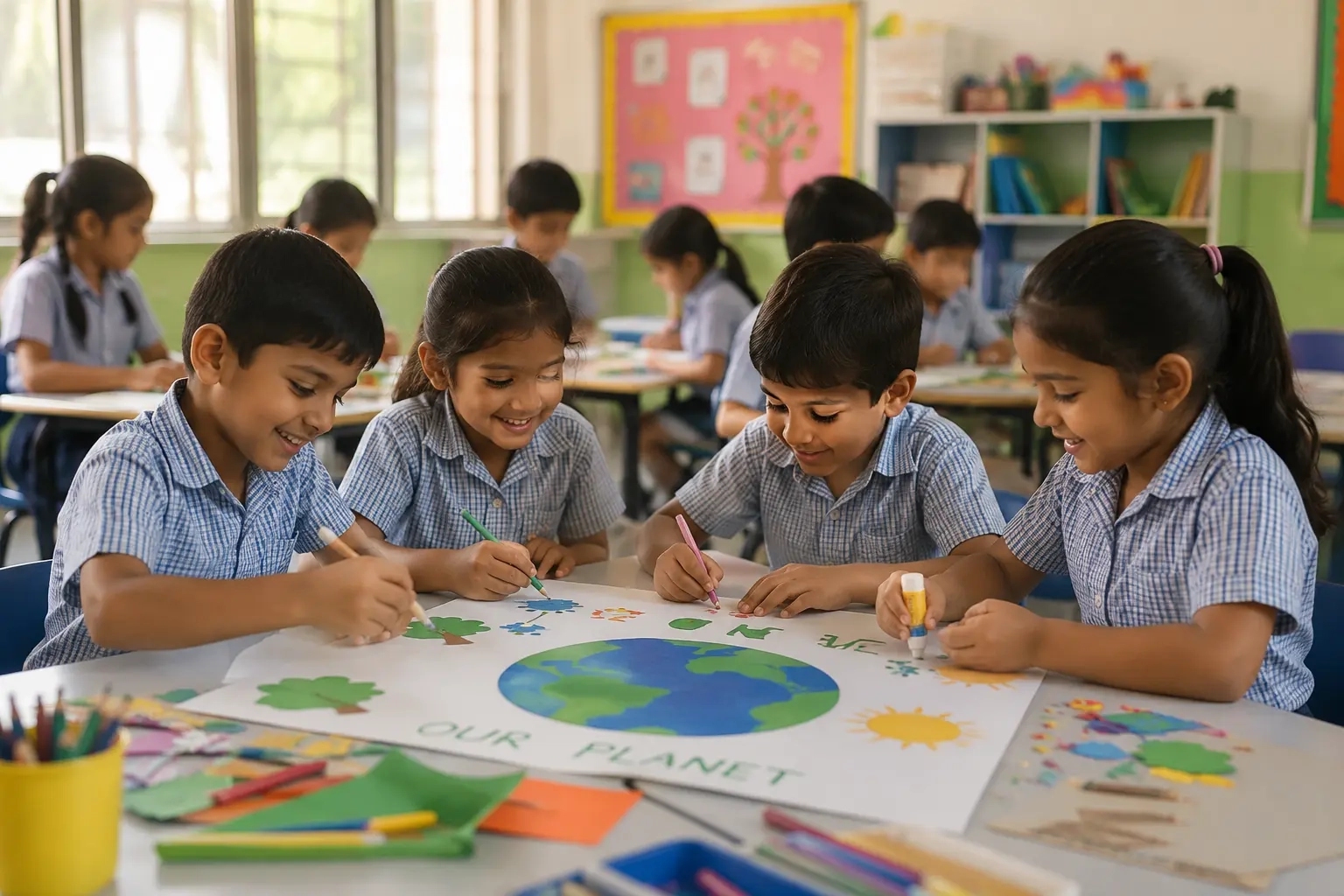
At EuroSchool, experiential learning has long been an important part of the classroom experience, helping students connect academic concepts to real-world situations in meaningful ways.
2. Greater Focus on Skills and Future Readiness
The new CBSE curriculum places a stronger emphasis on developing life skills alongside academic knowledge.
Students are increasingly encouraged to build skills such as:
- Critical thinking
- Communication
- Collaboration
- Creativity
- Leadership
- Decision-making
These competencies are becoming essential in higher education and professional environments alike.
As industries continue to evolve, employers are placing greater value on individuals who can adapt to change, think independently, and solve complex problems. The CBSE curriculum recognizes this reality and aims to equip students with these capabilities from an early stage.
3. Technology, AI, and Digital Literacy
Technology is no longer a separate subject. It has become an integral part of everyday life.
Recognizing this, the new CBSE framework introduces greater emphasis on digital literacy, computational thinking, and artificial intelligence.
The objective is not to turn every student into a software engineer. Instead, students are being encouraged to understand how technology works, how information is processed, and how digital tools can be used responsibly and effectively.
As technology continues to influence every industry, digital awareness is becoming a foundational skill for future success.
Schools that integrate technology thoughtfully into learning experiences can help students develop confidence in navigating an increasingly digital world.
4. Holistic Development Matters More Than Ever
One of the most encouraging aspects of the CBSE education reform in India is its focus on holistic development.
Academic excellence remains important, but equal importance is being given to emotional well-being, physical fitness, creative expression, and social development.
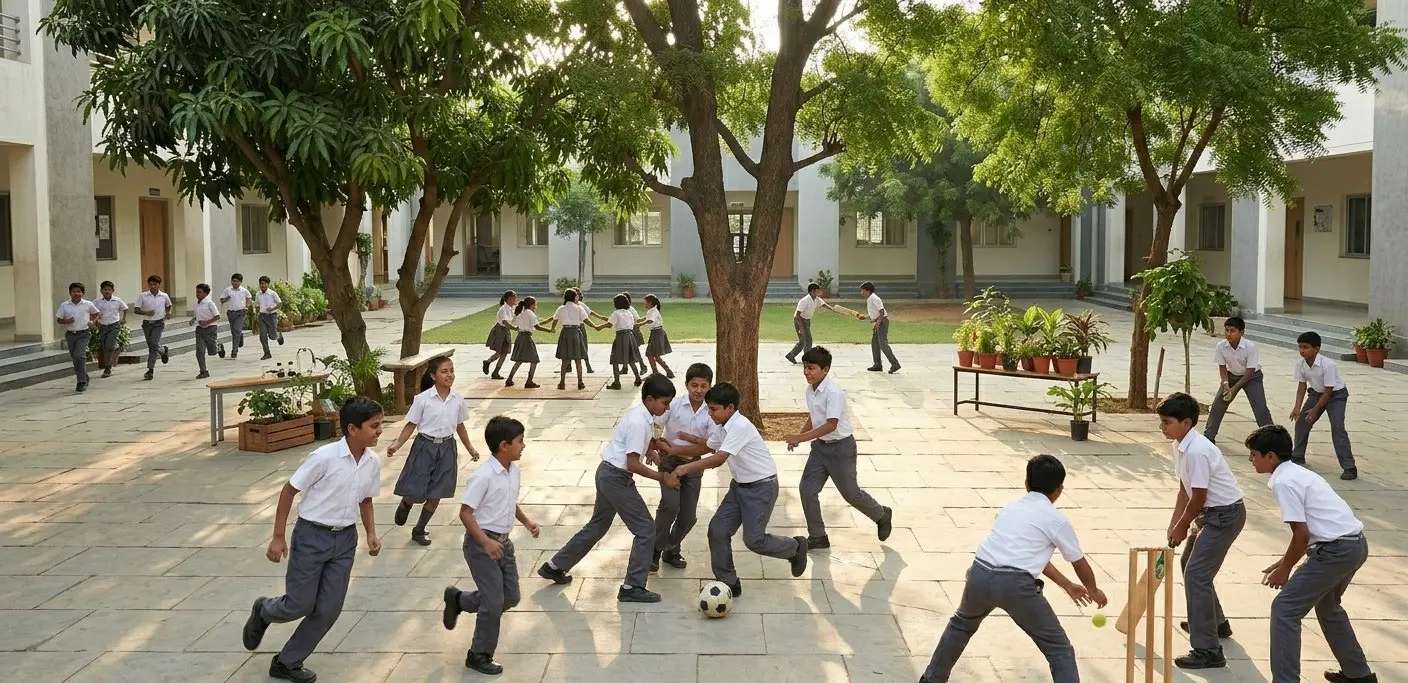
Activities such as sports, performing arts, visual arts, community engagement, and life skills are no longer viewed as optional additions. They are increasingly recognized as essential components of a well-rounded education.
At EuroSchool, this balanced approach to learning helps students discover their strengths, explore their interests, and develop confidence both inside and outside the classroom.
When students are encouraged to participate in diverse learning experiences, they often become more engaged, motivated, and resilient learners.
5. Assessment Patterns Are Evolving
For many parents, examinations remain one of the biggest concerns.
The good news is that the new CBSE curriculum is gradually moving towards more meaningful assessment methods.
Competency-based questions, case studies, application-oriented tasks, and analytical thinking exercises are becoming increasingly common. These formats encourage students to demonstrate understanding rather than simply recalling information.
The emphasis is shifting from:
“What did you memorize?”
to
“What do you understand and how can you apply it?”
This approach can help reduce excessive dependence on rote learning while encouraging deeper engagement with subjects.
What Does the CBSE Education Reform in India Mean for Students?
The CBSE education reform India is witnessing today is ultimately designed to prepare students for a future that is constantly changing.
Students entering the workforce in the coming decades will likely face careers that do not yet exist, technologies that are still being developed, and challenges that require innovative thinking.
As a result, education must evolve alongside these realities.
The new CBSE framework aims to nurture learners who are:
- Curious
- Adaptable
- Confident
- Independent thinkers
- Effective communicators
- Responsible digital citizens
Rather than focusing solely on examination performance, students are encouraged to develop skills that will remain relevant throughout their lives.
This broader definition of success can help children become more prepared for both academic and personal growth.
How Parents Can Support Their Children
Curriculum changes often create anxiety, especially when families are unsure what to expect.
However, parents do not need to become experts in educational policy to support their children effectively.
A few simple practices can make a significant difference:
Encourage Curiosity
Allow children to ask questions and explore topics that interest them.
Focus on Understanding
Prioritize conceptual understanding over memorization whenever possible.
Celebrate Effort and Progress
Recognize learning as a journey rather than focusing exclusively on marks.
Build Healthy Learning Habits
Consistent study routines, reading habits, and reflective thinking can support long-term success.
Maintain Open Communication
Regular conversations between parents, teachers, and students help create a supportive learning environment.
At EuroSchool, parent-school partnerships play an important role in ensuring that students receive consistent guidance and encouragement throughout their educational journey.
Looking Ahead: Preparing Students for the Future
While large-scale educational reforms can seem overwhelming initially, they often reflect the changing needs of society and the future workplace.
The new CBSE curriculum represents a positive step towards creating learning experiences that are more engaging, relevant, and future-focused.
Schools are increasingly being called upon to prepare students not only for examinations but also for life.
This means fostering creativity, resilience, empathy, leadership, collaboration, and adaptability alongside academic achievement.
Learning environments that encourage exploration, inquiry, and real-world application can help students navigate these changes with confidence.
Final Thoughts
The CBSE curriculum overhaul for 2026-27 marks an important milestone in India’s educational journey.
Driven by the CBSE NEP 2020 changes and the vision of the new CBSE framework, the focus is shifting towards meaningful learning, skill development, and future readiness.
While the transition may bring questions for parents and students alike, the broader goal remains clear: helping children become capable, confident, and adaptable learners.
As the CBSE education reform India continues to evolve, schools, parents, and educators have an opportunity to work together in creating enriching learning experiences that prepare students not just for exams, but for life.
At EuroSchool, we believe that education should empower every child to think critically, learn confidently, and embrace the opportunities of the future with curiosity and purpose.
Also Read:
CBSE Age Limit for LKG Admission