
Spring in India brings with it a sense of renewal, colour, and cultural vibrancy. Families in various states also observe the coming of the New Year by holding festivals such as Ugadi in Andhra Pradesh, Telangana and Karnataka and Gudi Padwa in Maharashtra. These Indian New Year classroom ideas offer a meaningful opportunity for schools to introduce students to cultural traditions while teaching life lessons about growth and gratitude.
When educators thoughtfully design festival activities for students, celebrations go beyond rituals and become experiences that shape values. Ugadi and Gudi Padwa symbolise fresh beginnings, optimism, and resilience, themes that resonate deeply within school communities.
Understanding the Spirit of the Festivals
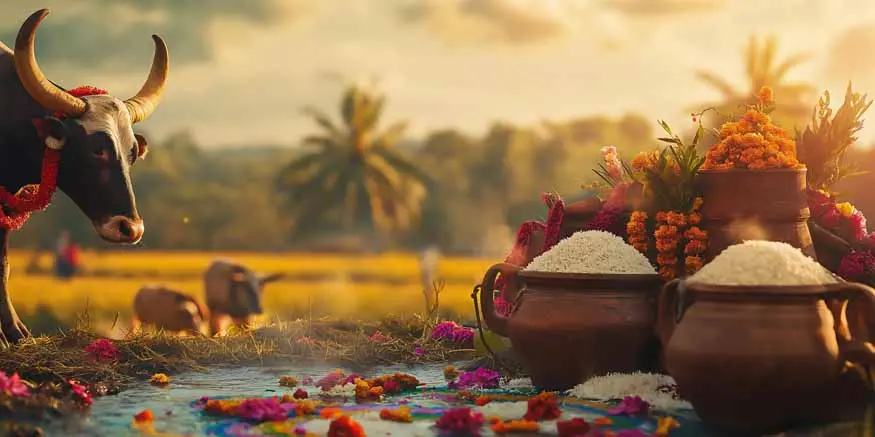
It is a good idea to familiarise students with the meaning of these festivals before organising Ugadi activities among the kids. Ugadi marks the beginning of the Chaitra month in the Hindu lunisolar calendar and symbolises the start of a new year and agricultural cycle. It is associated with renewal and spiritual reflection.
Gudi Padwa, celebrated in Maharashtra, also marks the New Year. The raising of the Gudi, a decorated flag with a bright cloth and an inverted metal pot, symbolises victory and prosperity. Both festivals celebrate hope, positivity, and gratitude for new opportunities. Students become more involved in activities and discussions when they are aware of the cultural context.
Ugadi Activities for Kids: Making Learning Experiential
- The Six Tastes of Life Activity: One of the most meaningful Ugadi activities for kids is exploring the concept of Ugadi Pachadi. The six flavours of this dish, traditionally, include sweet, bitter, sour, salty, spicy, and tangy; representing the various experiences of life. In the classroom, teachers can create a discussion circle where students reflect on what each taste symbolises. Indicatively, sweet moments might be seen as successes, and bitter moments might be seen as the difficulties that inspire lessons. Students will be able to make colourful charts describing these emotions and connect them to individual objectives in the new academic term.
- New Year Resolution Tree: Since Ugadi and Gudi Padwa mark new beginnings, schools can set up a “New Beginnings Tree” on a classroom board. Each student writes one positive habit they want to develop and attaches it as a leaf. This simple exercise promotes self-awareness and accountability while reinforcing the theme of renewal.
- Paper Gudi Craft Activity: For a creative Gudi Padwa school celebration, students can make miniature paper Gudis. Teachers can explain the symbolism of each element — the silk cloth representing prosperity and the inverted pot symbolising victory. This activity enhances fine motor skills while deepening cultural understanding.
- Rangoli Design Workshop: Rangoli designs are an integral part of both festivals. Organise a rangoli drawing competition using paper instead of colours to keep the activity classroom-friendly. Students can learn about geometric symmetry and patterns while celebrating tradition.
- Storytelling Sessions: Stories make festivals memorable for children. Narrating tales about Lord Brahma’s creation of the universe (associated with Ugadi) or the historical significance of the Gudi strengthens cultural literacy. Encourage students to retell the story in their own words or present short skits. This boosts confidence and comprehension skills.
Indian New Year Classroom Ideas That Promote Values
- Reflection Journals: Ask students to write about one lesson they learned in the past year and one goal for the year ahead. This reflective writing exercise aligns perfectly with the theme of new beginnings.
- Cultural Map Activity: Display a map of India and mark regions celebrating different New Year festivals: Ugadi, Gudi Padwa, Cheti Chand, Navreh, and others. This builds geographical awareness and appreciation for diversity.
- Gratitude Cards: Students can create thank-you notes for teachers, classmates, or school staff, reinforcing the value of gratitude that both festivals emphasise.
Encouraging Inclusivity in Celebrations
In diverse classrooms, not all students may celebrate these festivals at home. Schools can approach celebrations from a cultural and educational perspective rather than a religious one. Teachers can emphasise universal themes such as renewal, unity, respect, and hope. These themes help every student feel included and valued, regardless of their background.
By focusing on shared values, everyone can participate in the activities, making the celebrations a chance to learn from each other. When teachers highlight common values, such as starting fresh and embracing hope, it fosters a sense of empathy. Students will not only learn about the festivals but also about the importance of understanding different perspectives and cultures. This encourages mutual respect and strengthens the community within the classroom.
Linking Tradition with Modern Learning
Ugadi and Gudi Padwa also present interdisciplinary learning opportunities. Teachers can integrate:
- Science: Discuss seasonal changes and agricultural cycles.
- Mathematics: Explore calendar systems and lunar calculations.
- Art: Design rangoli patterns and festive crafts.
- Language: Learn New Year greetings in Telugu, Kannada, Marathi, and Hindi. Such cross-curricular approaches make the celebrations intellectually engaging while reinforcing important concepts.
Building Character Through Cultural Awareness
Celebrating Indian festivals in schools helps students connect with heritage while cultivating essential life skills. Ugadi and Gudi Padwa teach:
- The importance of resilience through life’s experiences.
- The value of gratitude and fresh starts.
- The strength found in unity despite differences.
- Respect for cultural diversity.
When children internalise these lessons, they carry them beyond the classroom.
How EuroSchool Brings Cultural Learning to Life
At EuroSchool, festivals are integrated into the learning experience rather than treated as standalone events. Through thoughtfully designed Ugadi celebration activities, creative workshops, and reflective discussions, students explore the deeper meanings of traditions. Students actively engage in learning by connecting the significance of the festivals to their personal lives. By combining storytelling, art, value education, and inclusive participation, EuroSchool ensures that every celebration becomes a lesson in empathy, responsibility, and cultural pride.
This is not only an effective way of enriching their world but also makes them welcome the beauty of diversity and togetherness in human experiences. Teaching new beginnings is not just about marking a date on the calendar; it is about inspiring students to embrace growth, positivity, and unity in every new chapter of their lives, fostering a sense of belonging and community within the school.