Eid al-Fitr is being celebrated across India with warmth, colour and a deep sense of joy. It signifies the conclusion of a month of fasting, prayer and reflections during Ramadan among Muslim families. For schools, it offers a valuable opportunity to help students understand what this festival truly represents beyond the sweets and celebrations. Most children associate Eid with new clothes, delicious food and the excitement of receiving Eidi from elders. Those are certainly cherished parts of the day. But Eid is not only about celebration. It carries the quiet satisfaction of completing something meaningful. It reflects discipline, compassion and gratitude. These are values that naturally fit into school life and personal development.
What Does Eid al-Fitr Mean?
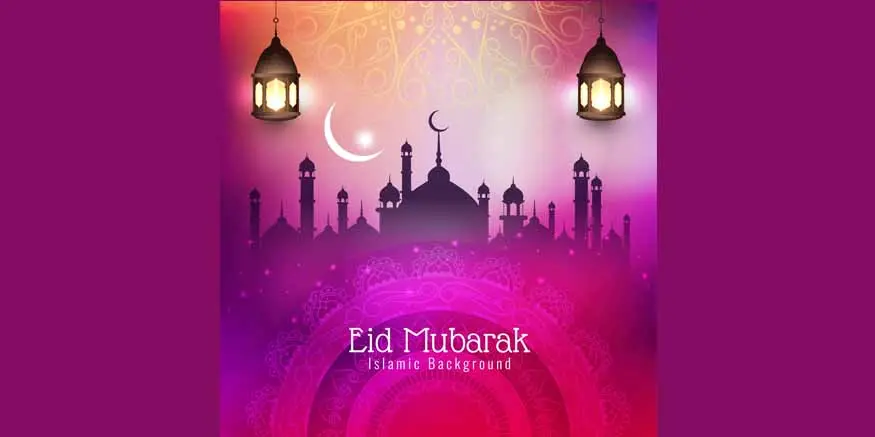
Eid al-Fitr translates to “Festival of Breaking the Fast.” It comes after Ramadan, when Muslims fast from dawn until sunset. In the same month, they lay emphasis on prayer, patience, charity and self-control. Eid marks the end of that spiritual journey. It is a day to be thankful to have the strength to fast, the lessons learned and the blessings in life. It has relief in it, and it has reflection. It is not just a celebration at the end of a month. It is a celebration that comes as a reward.
A key part of Eid is Zakat al-Fitr, a form of charity given before the Eid prayer. This means that families that might be financially struggling can participate in the celebrations too. It is a gentle reminder to all that happiness has to be shared.
How Eid Is Celebrated in India
The Eid mornings start early in India. Families wake up, get dressed in the traditional clothes or new ones and head towards mosques or Eidgahs to perform special prayers. The atmosphere is uplifting. People greet one another with “Eid Mubarak,” exchanging smiles and warm wishes. After prayers, homes come alive. Sweet food like seviyan or sheer khurma is cooked and distributed. Visitors come and go throughout the day. It is common for neighbours, including those from different faiths, to visit each other and exchange sweets.
In many cities, the streets feel different on Eid. Markets are bustling, bakeries are full of people and one can definitely feel the feeling of celebration. For children, one of the highlights is receiving Eidi. It may be a dollar in an envelope or a little present but it has emotional depth. It represents love and blessings of elders.
Helping Children Understand Eid
For students, understanding Eid means looking beyond the surface. It is easy to focus on the celebration. It is more meaningful to understand what comes before it. Ramadan requires patience and discipline. Even the children who fast only half a day feel a sense of achievement. When Eid comes, there is the pride of having tried.
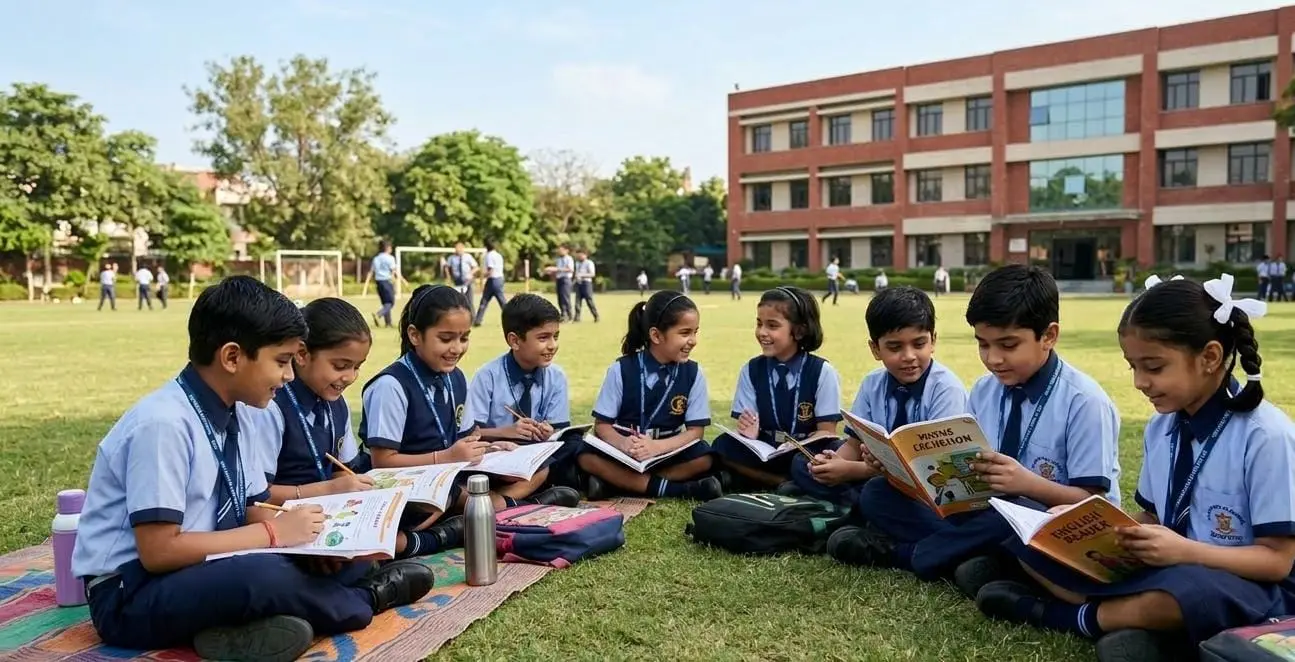
Teachers can explain Eid in simple terms. It is about being thankful. It is all about forgiveness and new beginnings. All children can identify with these ideas, irrespective of their background. Encouraging students to talk about how they celebrate at home can make the learning feel real rather than theoretical. The festival is brought to life when personal stories are told by children.
Bringing Eid Into the Classroom
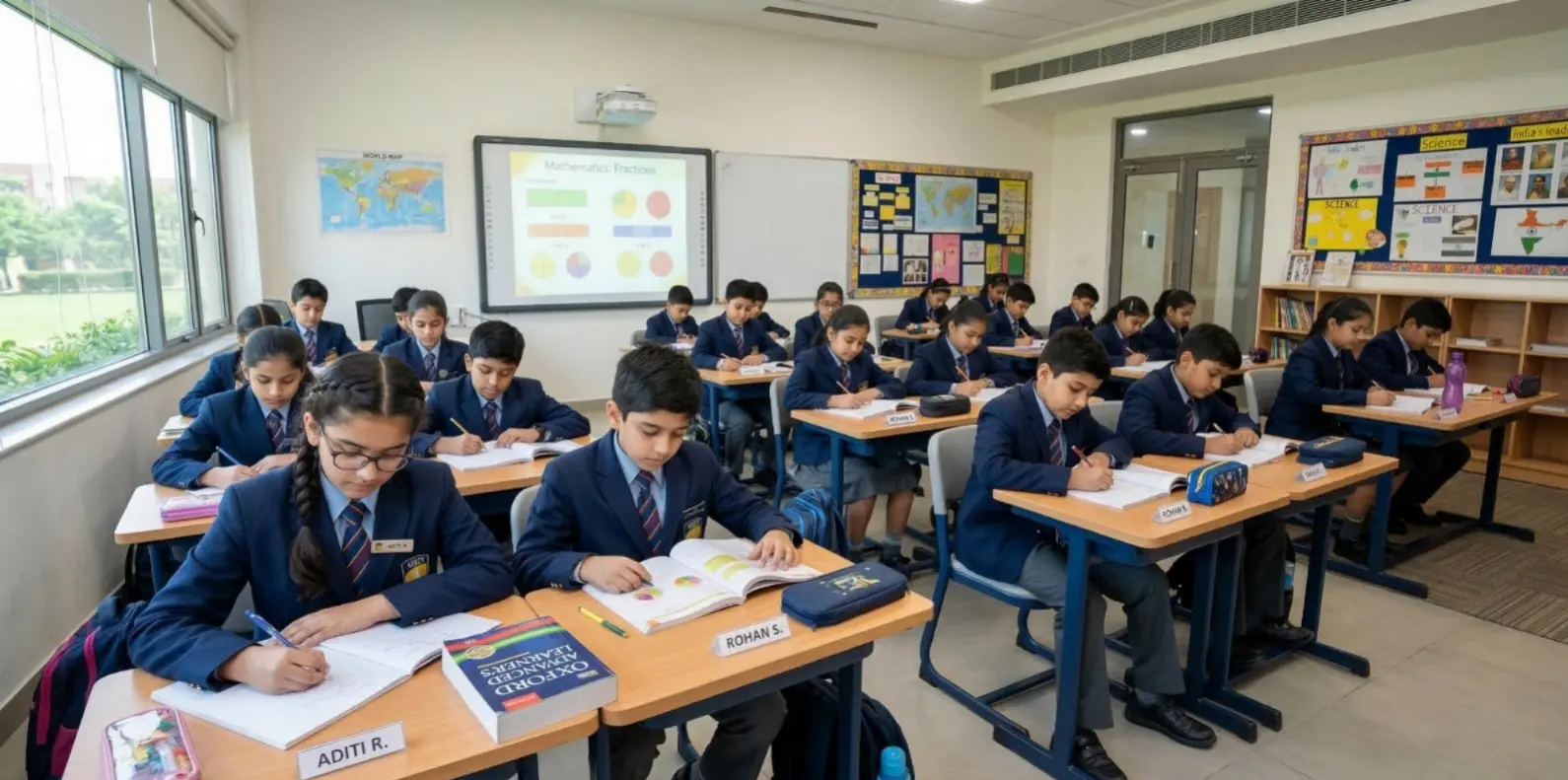
Acknowledging Eid in school does not require elaborate planning. A thoughtful mention during assembly or a short classroom conversation can make a difference. Teachers might invite students to describe what Eid morning feels like in their homes. Storytelling sessions about Ramadan and Eid can also create space for curiosity. Younger children often enjoy making Eid cards or drawing festive scenes.
These simple activities encourage engagement without making the celebration feel formal or forced. Such conversations build understanding. They also reduce the sense of “otherness” that can sometimes surround unfamiliar traditions.
Gratitude as a Shared Value
One of the strongest themes of Eid is gratitude. Even a glass of water at sunset has some meaning after a month of fasting. Such consciousness does not fade away on Eid day. This is an opportunity that schools can use to foster thinking. Students may write about something they are thankful about. It might be family support or friendships or learning opportunities. Such gratitude practices are not complicated and effective. They change their focus to appreciation instead of comparison. When children get to know how to identify everyday blessings, it influences their attitude.
Charity and Compassion
Charity sits at the heart of Eid. The practice of giving Zakat al-Fitr ensures no one feels excluded from the celebration. It strengthens the concept of happiness being increased when shared. Schools can extend this spirit by organising donation drives or encouraging acts of kindness within the classroom.
Even small gestures matter. When students participate in giving, they experience the value of compassion directly rather than hearing about it in theory. Peer relationships are also reinforced through acts of generosity. Children learn that supporting others creates a stronger community.
Festivals That Unite
In India, festivals often cross religious boundaries. People of various religions usually visit each other during Eid, exchanging greetings and sweets. These exchanges reflect mutual respect and cultural harmony. Discussing this in school helps students understand that diversity is not a barrier. It is a strength. Celebrations become moments of connection rather than separation. Eid reminds us that shared humanity matters more than difference.
How EuroSchool Encourages Cultural Awareness
At EuroSchool, cultural celebrations are part of a broader approach to holistic education. Festivals like Eid are not treated as calendar events alone. They are opportunities to explore values such as empathy, gratitude and social responsibility. Through open discussions, creative classroom activities and value-based learning, EuroSchool ensures that students understand why a festival is celebrated, not just how.
The focus remains on building respect and awareness in a diverse learning environment. When children learn about one another’s traditions with openness, they develop confidence in multicultural settings. They grow into individuals who are comfortable with difference and grounded in shared values. Eid al-Fitr is a celebration of completion, gratitude and togetherness. When schools take the time to explain its meaning thoughtfully, they do more than mark a festival. They nurture understanding. And that understanding stays with students long after the sweets are finished.