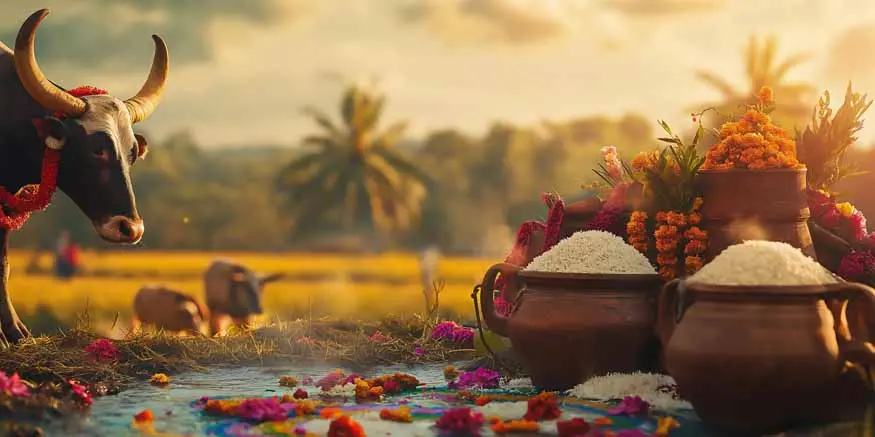
The cultural practices of India have a strong agricultural origin. The communities relied on the land long before the emergence of modern supply chains and supermarkets. To this day, harvest festivals in India are an expression of thanks to the abundance of nature and appreciation of the labour of farmers.
For young learners, understanding Indian harvest festivals for kids is not just about colourful celebrations. It is about learning gratitude, community bonding, and environmental awareness. It is learning to be thankful, bonding together and being environmentally aware. Other festivals such as Baisakhi in Punjab, Bohag Bihu in Assam, and Vishu in Kerala provide good lessons that can be incorporated into classroom experiences. Such feasts also expose children to the regional diversity of India and demonstrate the inter-relationship between culture, food and farming customs.
The students start to observe how seasons affect the everyday life of most communities through stories, music, and traditional practices. Learning about harvest festivals also helps students recognise the journey of food from farms to their plates. It encourages curiosity about agriculture, weather patterns, and the importance of caring for natural resources. When children understand these connections early, they are more likely to develop respect for farmers and appreciation for sustainable practices.
Why Harvest Festivals Matter
A harvest celebration is associated with the harvesting of crops after months of farming. Across cultures worldwide, harvest celebrations express thankfulness for food, prosperity, and collective effort.
In India where agriculture has modelled society over the centuries, harvest festivals were also a symbol of:
- Respect for nature
- Community celebration
- New beginnings
- Cultural pride
In urban areas, these festivals remind students of the origins of food and the labour that goes into food production. They also make the children consider the impact of climate, soil and season changes on farming. Students will understand how communities rely on nature and how cultures usually evolve out of ordinary lives by learning about these connections.
Baisakhi: Gratitude and Courage in Punjab
Celebrated on April 13 or 14, Baisakhi marks the harvest of rabi crops in Punjab. Fields of golden wheat indicate prosperity and payback to the hard work of farmers who have meticulously cultivated the fields over months.
Baisakhi Festival Significance
Baisakhi is a religious and an agricultural festival. For the Sikh community, it commemorates the formation of the Khalsa by Guru Gobind Singh Ji in 1699. This provides historical and spiritual significance to the celebration.
The festival represents:
- Gratitude for a successful harvest
- Community unity
- Courage and faith
- Celebration through music and dance
Traditional bhangra and giddha performances fill villages and towns with energy. Community fairs, festive gatherings, and visits to gurudwaras reinforce social bonding and shared joy.
Baisakhi School Celebration Ideas
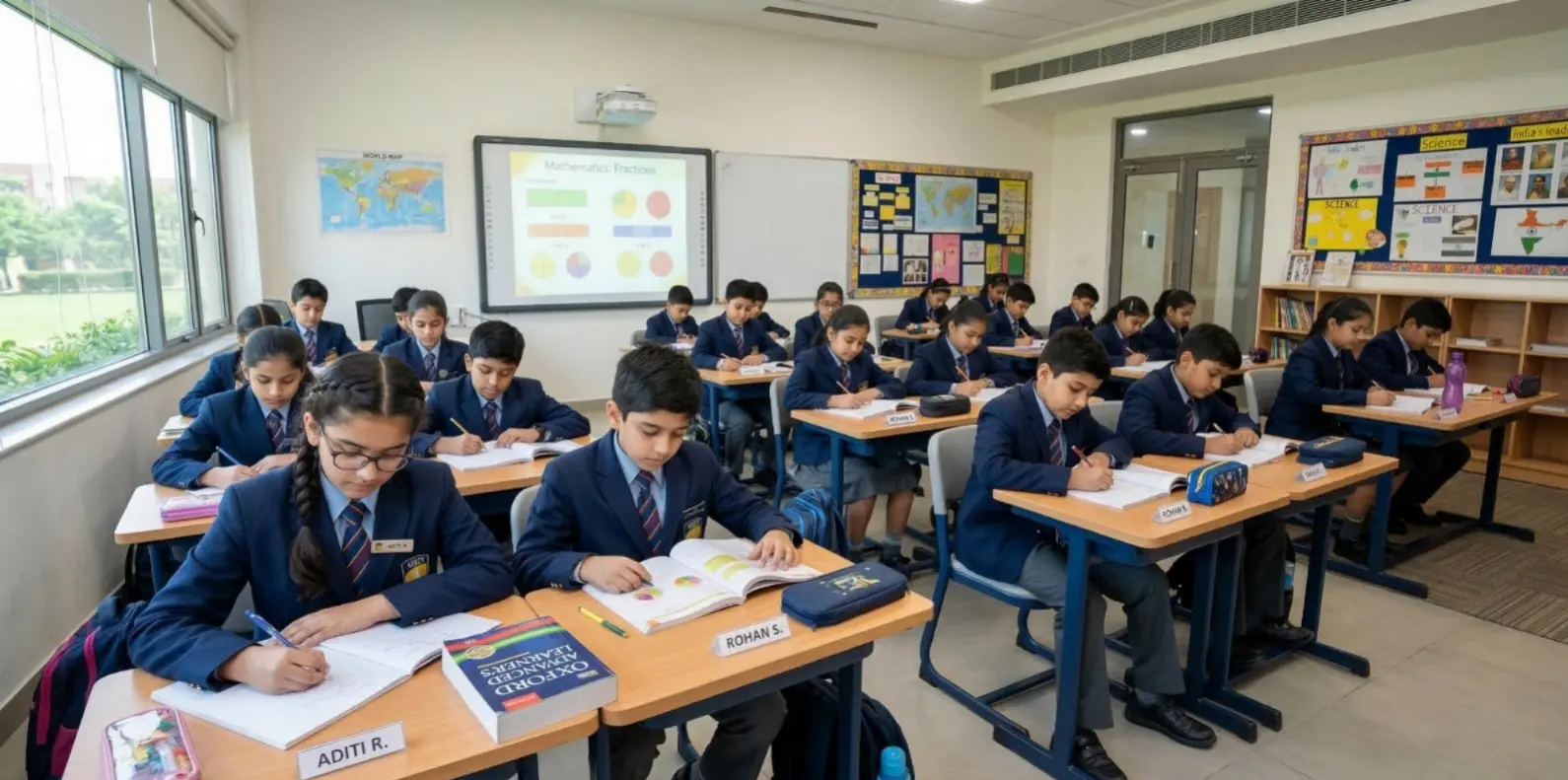
Schools can make Baisakhi meaningful through experiential learning.
Students can:
- Perform a simple bhangra routine during assembly
- Create posters explaining the Baisakhi festival significance
- Learn about wheat cultivation in science class
- Discuss the importance of farmers in India’s economy
These activities help children connect culture with real-world understanding.
Bohag Bihu: Assam’s Celebration of Youth and Renewal
In Assam, Bohag Bihu, also known as Rongali Bihu, marks the Assamese New Year and the beginning of the agricultural season.
Bihu Traditions Assam
Bohag Bihu is characterised by:
- Energetic Bihu dance performances
- Traditional music with dhol and pepa
- Exchange of sweets like pitha and laru
- Respectful greetings to elders
The festival celebrates youthfulness, joy, and hope for a prosperous year ahead. For students, learning about Bihu traditions in Assam broadens cultural awareness, especially about India’s Northeast, which often receives limited representation in textbooks.
Vishu: Welcoming Prosperity in Kerala
In Kerala, Vishu marks the Malayalam New Year and symbolises abundance and renewal.
Vishu Festival Significance
The Vishu Kani, a well-prepared array of rice, fruits, vegetables, coins, flowers and a mirror before a deity, is the main ritual of Vishu. First thing in the morning, families get up to watch this arrangement, as they believe that it brings out prosperity. Children often receive Vishu Kaineettam, a token of blessings from elders. Vishu teaches gratitude for abundance and optimism for the year ahead.
Common Lessons from Indian Harvest Festivals
Despite regional differences, these festivals share core themes:
- Gratitude: All harvest festivals express thankfulness for nature’s bounty. Teaching this lesson encourages students to appreciate everyday comforts.
- Community Bonding: Festivals bring families and communities together. Students learn that shared celebrations strengthen relationships.
- Respect for Farmers: Understanding the effort behind crop cultivation fosters respect for agricultural workers.
- New Beginnings: Many harvest festivals also mark the New Year in regional calendars, symbolising fresh starts and renewed goals.
Harvest Celebration in School: Creative Ideas
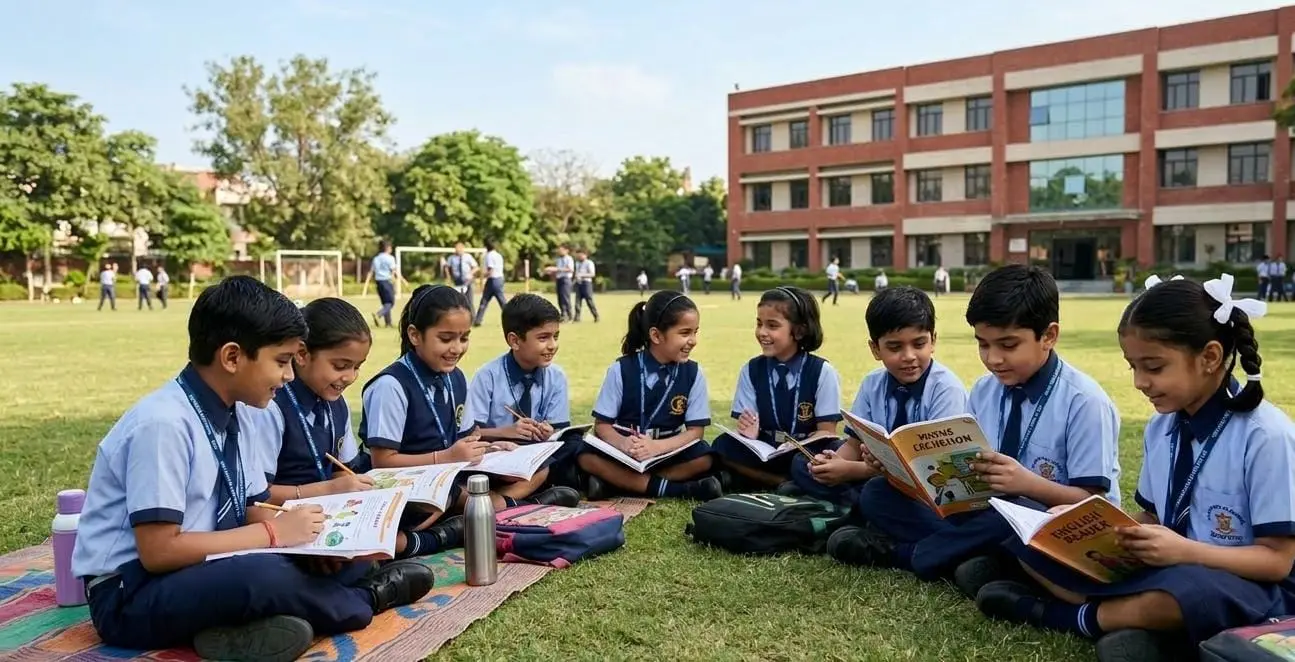
Schools can integrate harvest festivals into cross-curricular learning.
- Cultural Map Activity: Display a map of India and mark states celebrating Baisakhi, Bohag Bihu, and Vishu. This reinforces geographical knowledge.
- Gratitude Journals: Encourage students to write about things they are thankful for, linking it to the spirit of harvest festivals.
- Art & Craft: Students can design miniature Vishu Kani displays, create harvest-themed rangoli art, or draw scenes from Punjabi farms.
- Agricultural Awareness Sessions: Invite a local farmer or agricultural expert to speak about crop cycles and sustainability.
Such harvest celebrations in school activities ensure festivals are educational rather than purely ceremonial.
Building Cultural Literacy Through Festivals
In a multi-ethnic nation such as India, understanding of local festivals brings about unity. When children in Mumbai learn about Bohag Bihu, or students in Delhi explore Vishu traditions, they develop respect for India’s varied cultural landscape. Empathy is enhanced by cultural literacy. It helps students appreciate differences and celebrate common values.
The topic of environmental sustainability and the responsible use of resources can be also discussed during the harvest festivals. These are some of the most important issues for future generations.
How EuroSchool Celebrates Cultural Diversity
At EuroSchool, festivals are celebrated as part of holistic learning. Through interactive discussions, cultural performances, and creative classroom activities, students explore the deeper meanings behind traditions like Baisakhi, Bohag Bihu, and Vishu. Connecting celebration to gratitude, respect, and values of the community makes EuroSchool the place where students will become culturally conscious and socially responsible citizens. Because when children learn to honour harvest festivals thoughtfully, they cultivate appreciation not just for food, but for effort, diversity, and togetherness.