Childhood lisping is a speech disorder characterised by difficulties in a child’s communication skills and social interactions. While some degree of lisping is common during early speech development, persistent difficulties beyond a certain age may warrant intervention. In this blog, we are going to explore the signs and symptoms of childhood lisping, providing insight into the disorder’s complexities.
Childhood Lisping:
1. Definition and Background:
- Lisping Defined: Childhood lisping refers to a speech disorder where a child has difficulty accurately producing the “s” and “z” sounds, leading to substitutions or distortions.
- Normal Speech Development: Understanding the typical progression of speech development is crucial for distinguishing between normal variations and potential disorders.
2. Types of Lisping:
- Interdental Lisping: Involves pushing the tongue against the front teeth during the pronunciation of “s” and “z,” often resulting in a “th” sound.
- Lateral Lisping: Characterised by air escaping over the sides of the tongue, creating a wet or slushy sound during the production of “s” and “z.”
Also Read: Here are some ways you can improve your children’s speech at home
Signs and Symptoms of Childhood Lisping
1. Pronunciation Difficulties:
- Substitution of Sounds: Children with lisping may replace “s” and “z” sounds with alternative sounds, such as “th” or create slushy sounds.
- Inconsistent Pronunciation: Lisping may not be consistent, with the child pronouncing certain words correctly while struggling with others.
2. Age-Inappropriate Speech Patterns:
- Developmental Milestones: A child typically masters the correct pronunciation of “s” and “z” sounds by the age of 4 or 5. Persistent difficulties may indicate a developmental delay.
3. Avoidance of Certain Words:
- Limited Vocabulary: Children with lisping may actively avoid words containing challenging sounds, leading to a restricted vocabulary.
- Communication Hesitancy: Avoidance of specific words may contribute to hesitancy in communication.
4. Social and Emotional Impact:
- Social Interactions: Lisping can impact a child’s ability to engage in social interactions, potentially leading to isolation or social anxiety.
- Self-Esteem: Children with lisping may experience reduced self-esteem due to challenges in effective communication.
5. Difficulty with Reading and Spelling:
- Phonics Challenges: Lisping can affect a child’s ability to decode words and understand phonics, potentially influencing reading and spelling.
- Academic Impact: Difficulties in phonics can contribute to challenges in early literacy development.
6. Inconsistent Pronunciation:
- Variability in Sound Production: Lisping may be inconsistent, with the child pronouncing certain words correctly while struggling with others.
- Observation in Different Contexts: Variability may be observed in various communication contexts.
7. Tongue Posture:
- Interdental Lisping Posture: The tongue may protrude between the front teeth during the pronunciation of sounds, contributing to interdental lisping.
8. Delayed Speech Development:
- Speech Milestones: Lisping, especially when accompanied by other speech sound errors, may contribute to a delay in overall speech development.
- Comprehensive Assessment: Speech therapists assess both lisping and broader speech development.
9. Family History:
- Genetic Factors: A family history of speech and language disorders may increase the likelihood of childhood lisping.
- Consideration in Assessment: Family history is considered in the overall assessment of the child’s speech.
10. Speech Fatigue:
- Reluctance to Engage: Understanding lisping in children is essential, may experience speech fatigue, leading to reluctance to engage in extended conversations.
- Observation in Different Settings: Speech fatigue may be observed in settings requiring prolonged verbal communication.
Also Read: The Attachment Theory: How Childhood Affects Life
Speech Therapist For Lisping Treatment:
Here are some important key points about speech therapists for lisping treatment
1. Initial Assessment: Unlocking the Puzzle of Lisping:
- Speech Sound Analysis: SLPs analyze the child’s speech sound production, focusing on the accurate pronunciation of “s” and “z” sounds.
- Case History Review: Gathering information about the child’s developmental history, family background, and previous speech concerns.
2. Speech Sample Analysis:
- Conversational Speech therapist for lisping: SLPs analyze samples of the child’s conversational speech to assess the consistency of lisping across different contexts.
- Word-Level Analysis: Examining the child’s pronunciation of specific words containing the challenging sounds.
3. Auditory Discrimination Testing:
- Differentiation of Sounds: Assessing the child’s ability to differentiate between correct and incorrect productions of “s” and “z” sounds.
- Phonemic Awareness: Testing the child’s awareness of individual sounds in words.
4. Oral Mechanism Examination:
- Tongue Posture Assessment: Observing the child’s tongue posture during speech to identify physical aspects contributing to lisping.
- Lip and Jaw Mobility Assessment: Evaluating the mobility and coordination of the lips and jaw.
Also Read: 10 Common Childhood Illnesses
Tailoring Treatment for Lisping
1. Individualised Treatment of Childhood Lisping:
- Goal Setting: Collaborating with the child and their family to set specific, measurable, and achievable goals for Lisp problem
- Customized Approach: Recognizing the uniqueness of each child’s speech patterns, SLPs tailor interventions to address individual challenges and strengths.
2. Articulation Exercises:
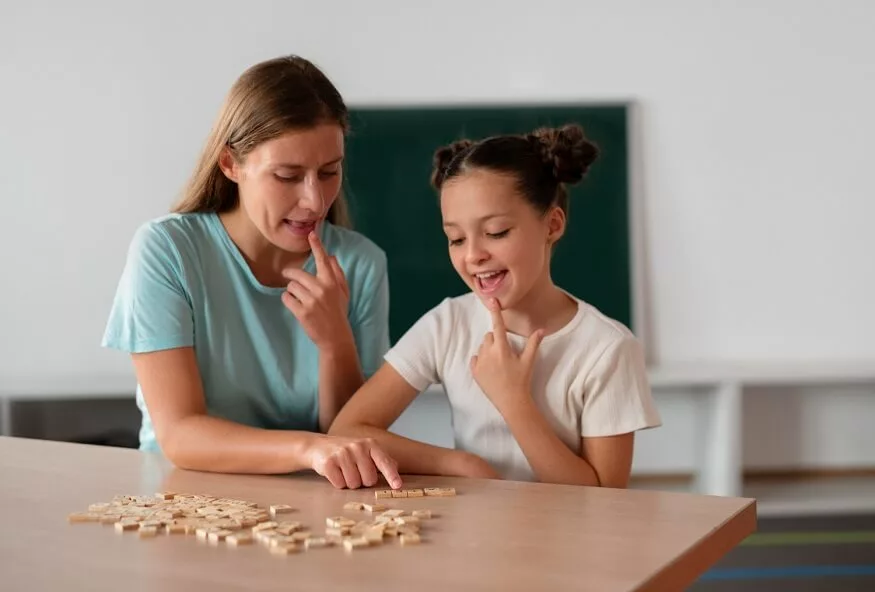
- Targeted Sound Practice: Designing exercises focusing on the correct tongue and lip movements for producing the “s” and “z” sounds.
- Drills and Repetition: Repetitive practice reinforces proper articulation, building muscle memory for accurate sound production.
3. Auditory Discrimination Training:
- Discrimination Activities: Engaging the child in activities that enhance their ability to distinguish between correct and incorrect sound productions.
- Feedback and Reinforcement: Providing constructive feedback and positive reinforcement during discrimination exercises.
4. Phonological Awareness Activities:
- Sound Awareness Games: Incorporating games and activities that enhance the child’s awareness of individual sounds, syllables, and words.
- Rhyming and Segmenting: Phonological awareness exercises contribute to a deeper understanding of sound structures in language.
5. Oral Motor Exercises:
- Tongue and Lip Exercises: Targeted exercises to strengthen and coordinate the muscles involved in sound production.
- Facial Massage Techniques: Gentle facial massages can relax facial muscles, contributing to improved articulation.
6. Word and Sentence-Level Practice of Speech therapist for lisping Treatment:
- Contextualized Practice: Applying correct sound production in words and sentences to ensure generalization to natural speech.
- Conversational Practice: Engaging the child in conversations with the SLP to integrate learned skills into everyday communication.
7. Technology Integration:
- Speech Therapy Apps: Incorporating technology-based tools to make therapy engaging and interactive.
- Virtual Platforms: Utilizing virtual platforms for remote therapy sessions, especially in cases where in-person sessions may not be feasible.
8. Parental Involvement:
- Home Practice Plans: Collaborating with parents to create structured home practice plans to reinforce therapy goals.
- Modeling Correct Pronunciation: Parents serve as models for clear and accurate sound production, supporting the child’s learning.
Also Read: Speech Disorders In Kids: Causes, Symptoms, And Treatment
Collaboration and Multidisciplinary Approach
1. Collaboration with Educational Professionals:
- School-Based Support: Collaborating with teachers to implement accommodations and modifications in the academic setting.
- IEP Planning: Participating in Individualized Education Program (IEP) planning to address speech-related goals.
2. Collaboration with Other Healthcare Professionals:
- Dental and Orthodontic Collaboration: Coordinating with dentists or orthodontists when lisping is related to dental issues.
- Medical Consultation: Seeking input from pediatricians or relevant medical specialists to address overall health implications.
3. Emotional and Psychological Support:
- Counseling Services: Offering counseling and emotional support to address any psychological impact of lisping on the child’s self-esteem.
- Building Resilience: Encouraging the development of resilience and a positive self-image despite speech challenges.
4. Educational Support:
- Classroom Strategies: Providing strategies to educators for creating a supportive classroom environment.
- Educational Accommodations: Implementing accommodations to facilitate effective communication and participation in academic activities.
Lisping and Child Development
1. Social Interaction and Peer Relationships:
- Social Communication Skills: Targeting pragmatic communication skills to enhance the child’s ability to navigate social interactions.
- Peer Education: Facilitating age-appropriate discussions in the classroom to promote understanding and acceptance among peers.
2. Language Development:
- Vocabulary Enhancement: Incorporating language-focused activities to support vocabulary development and sentence structure.
- Narrative Skills: Strengthening the child’s ability to express themselves coherently in narratives and storytelling.
3. Impact on Literacy:
- Reading and Spelling Support: Addressing challenges with reading and spelling through targeted interventions.
- Phonics Integration: Integrating phonics exercises to improve overall phonemic awareness and decoding skills.
At Euroschool, we empower children to achieve clear and confident communication. By fostering resilience, promoting self-advocacy, and embracing emerging trends, speech therapists pave the way for children with lisping to overcome challenges and thrive in their communication journey.