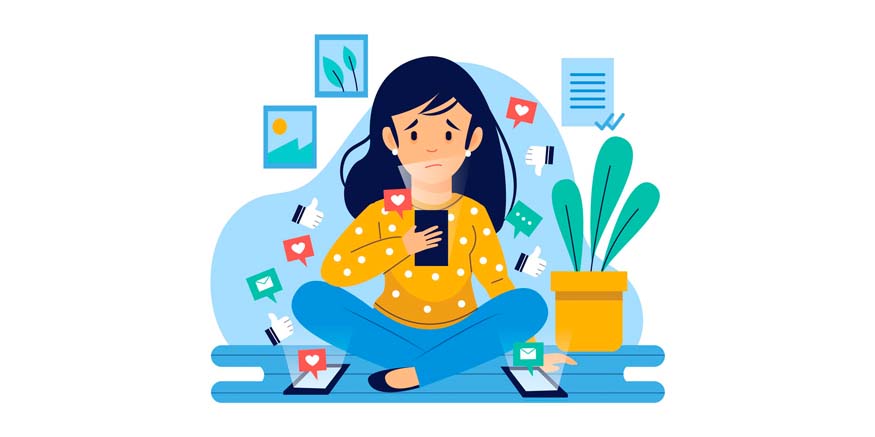
With AI and uninterrupted digital access today, teenagers are growing up surrounded by screens, hashtags, reels, and endless notifications. Social media is no longer just a platform for fun; it has become a powerful space that shapes identities, friendships, learning styles, and even mental health. While the social media effect on students has sparked debates globally, it’s important for parents, teachers, and students themselves to understand its positive and negative effects.
So, what are the effects of social media on today’s teens? Let’s explore how this digital landscape influences their lives, both in empowering and challenging ways.
The Growing Influence of Social Media on Teenagers
Social media has moved beyond chatting with friends—it has become a hub for learning, networking, entertainment, and personal expression. Platforms like Instagram, Snapchat, YouTube, and TikTok are now central to how teens:
- Communicate with peers
- Explore trends and hobbies
- Stay updated on news and global events
- Express creativity through videos, memes, and blogs
- Build communities around shared interests
This influence is powerful because teens spend an average of 3–5 hours daily on these platforms. But influence can go both ways—bringing in good effects of social media on students as well as challenges.
Positive Effects of Social Media on Students
Contrary to the belief that social media is only a distraction, there are several good effects of social media on students when used responsibly:
1. Educational Growth
Many students follow educational pages, YouTube tutorials, and online courses. Social media makes learning interactive and accessible.
2. Enhanced Communication Skills
Teens connect with peers across the globe, learning to express themselves, understand diverse cultures, and develop digital communication skills.
3. Boosts Creativity
Platforms encourage self-expression through photography, writing, art, and video creation. Teens explore hobbies that often turn into career passions.
4. Awareness and Social Responsibility
Campaigns on climate change, equality, and health trends create socially responsible and aware young citizens.
5. Emotional Support Networks
Online communities provide spaces where students can share experiences, find encouragement, and know they’re not alone.
Negative Effects of Social Media on Students
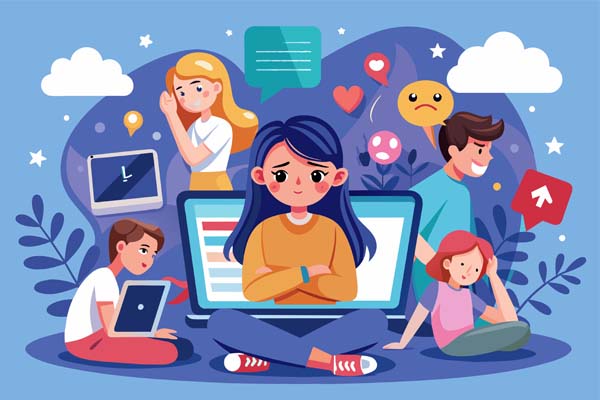
At the same time, excessive or unregulated use comes with risks. Let’s look at the negative effects of social media that parents and teachers need to be mindful of:
1. Addiction and Screen Dependency
Teens may prioritise likes and followers over real-life connections, leading to reduced focus on studies and physical activity.
2. Mental Health Concerns
Constant comparison with curated online lives can lead to anxiety, depression, or low self-esteem.
3. Cyberbullying
One of the most alarming social media effects is cyberbullying, where students may face online harassment or trolling.
4. Privacy and Safety Issues
Oversharing personal details can expose teens to online threats and misuse of information.
5. Reduced Academic Performance
Excessive scrolling and late-night screen time often impact concentration, sleep, and grades.
Balancing the Positive and Negative Effects of Social Media
The reality is that social media is neither entirely harmful nor purely beneficial—it’s about balance. Parents and schools can help teens harness its benefits while minimising its drawbacks. Here’s how:
- Set screen-time limits without making it feel like a punishment.
- Encourage purposeful use —like following educational or skill-based accounts.
- Foster offline hobbies such as sports, reading, or volunteering.
- Open communication—discuss online experiences and encourage teens to share if they face cyberbullying or stress.
- Model healthy usage—teens often copy their parents’ digital behaviour.
Step-by-Step Guide for Teens to Use Social Media Responsibly
- Pause Before Posting – Ask: is this safe and respectful?
- Curate Your Feed – Follow accounts that inspire positivity and learning.
- Limit Comparisons – Remember that online lives are highlights, not reality.
- Prioritize Real-Life Connections – Spend quality time with family and friends offline.
- Seek Help When Needed – Reach out to teachers, parents, or counsellors if social media feels overwhelming.
Frequently Asked Questions (FAQs)
Q1. What are the effects of social media on teenagers?
Social media influences communication, creativity, learning, and awareness, but it also brings risks like addiction, anxiety, and cyberbullying.
Q2. Can social media have good effects on students?
Yes, when used wisely, social media improves creativity, enhances communication, and provides access to learning resources.
Q3. How do I reduce the negative effects of social media on my child?
Encourage screen-time balance, guide them towards educational use, and maintain open conversations about their online world.
Q4. Does social media affect academic performance?
Excessive, unregulated use can reduce focus, disrupt sleep, and affect grades. Balanced use, however, can complement learning.
Q5. Should schools address social media effects in classrooms?
Absolutely. Schools can play a vital role by integrating digital literacy and responsible online behaviour into their curriculum.
Final Thoughts: Striking the Right Balance
The debate isn’t about whether social media is good or bad—it’s about how it’s used. For today’s teens, social media is part of life, not just an extra activity. As parents and educators, guiding them to use it as a tool for growth rather than a source of stress is the real challenge.
With the right balance, the positive and negative effects of social media can be managed effectively, helping teens thrive both online and offline.
Why EuroSchool is the Perfect Partner in This Journey
At EuroSchool, we believe in preparing students not only for academic success but also for real-world challenges like digital citizenship. Our approach includes:
- Digital Literacy Programs to help students use technology responsibly
- Counselling and Mentorship for managing online pressures
- Holistic Learning Environment balancing academics, extracurriculars, and digital exposure.
- Focus on Emotional Intelligence so children learn to thrive in both real and virtual worlds
https://www.euroschoolindia.com/why-euroschool/digital-learning/ digital exposure
EuroSchool empowers students to be confident, responsible, and future-ready. With expert guidance and modern learning methods, your child’s growth—online and offline—is in safe hands.
Take the first step towards balanced growth with EuroSchool today!