Students have many things to do every day. They attend school, complete homework, study for tests, and take part in other activities. Sometimes, it can be difficult to find time for everything.
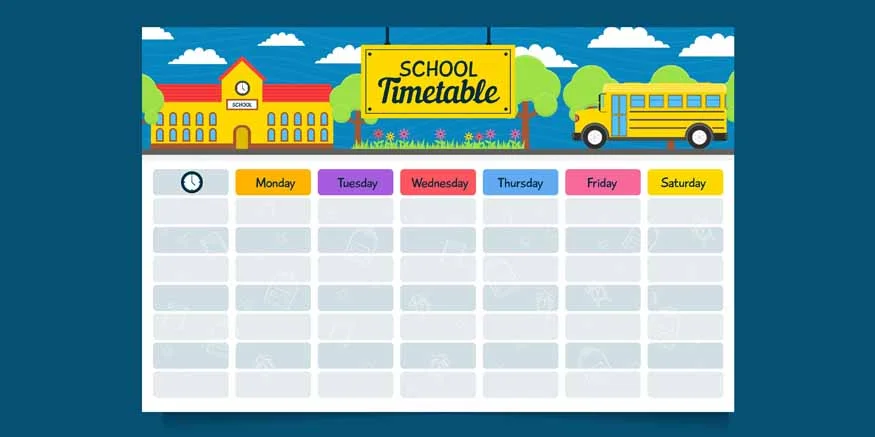
A study time table can help children plan their day. It tells them what to study and when to study it. It also helps them make time for play, hobbies, and rest.
In this blog, let us understand why a study time table is important and how students can make one.
Also Read:
Study Timetable for Class 10 Students
What Is a Study Time Table?
A study time table is a plan that shows when a student will study each subject.
For example, a student may spend 30 minutes on Maths, take a short break, and then study Science.
A good timetable includes time for homework, revision, breaks, and play. It should fit into the child’s daily routine.
Why Is a Study Time Table Important?
A study time table helps students plan their time and build good study habits. Here are some of its benefits.
- Helps Students Plan Their Day
A timetable helps children decide what to study and when to do it.
For example, they can set aside time for Maths homework and English reading instead of trying to finish everything at once.
- Makes Exam Preparation Easier
Studying a little every day helps children revise their lessons regularly. They do not have to study everything just before an exam.
This can help them feel more prepared and less worried about tests.
- Builds Good Habits
Following a timetable helps children get into the habit of studying at a regular time.
Over time, they may learn to complete their work without needing constant reminders.
- Makes Time for Play and Hobbies
Children need time to play, read, enjoy hobbies, and spend time with family.
A good timetable helps them balance study time with these activities.
How to Make a Study Time Table for Students
Making a study timetable is easy. Here are some simple steps to follow.
- Plan Your Daily Routine
First, write down your child’s daily activities, such as school, travel, meals, homework, and playtime.
Then, find a suitable time for studying.
- List All the Subjects
Make a list of the subjects your child needs to study.
Give more time to subjects they find difficult. Also, set aside time to revise subjects they already know well.
- Set Small Goals
Decide what your child needs to finish during each study session.
For example, instead of writing ‘Study Maths’, write ‘Solve five Maths problems’.
Small goals make it easier for children to know what they need to do.
- Take Short Breaks
Children may find it difficult to study for a long time without a break.
Plan short breaks between study sessions. They can use this time to stretch, drink water, or relax before starting again.
- Make Time for Revision
Revision means going over lessons that children have already learnt.
Set aside some time each day to read old notes, practise questions, or go over topics taught in class. This helps children remember what they have learnt.
Sample Daily Study Time Table for Students
Here is an example of a simple after-school timetable. You can change the timings to suit your child’s routine.
4:00 pm – 4:30 pm: Have a snack and rest
4:30 pm – 5:00 pm: Complete Maths homework
5:00 pm – 5:15 pm: Take a break
5:15 pm – 5:45 pm: Revise Science
5:45 pm – 6:30 pm: Play outdoors or enjoy a hobby
6:30 pm – 7:00 pm: Read English or finish other homework
7:00 pm onwards: Have dinner, spend time with family, and prepare for the next school day
This is only an example. Every child has a different routine, so make a timetable that works for your child.
Tips to Help Students Follow Their Timetable
Making a timetable is easy, but following it every day can take practice. Here are some tips to help.
Keep it where your child can see it: Place the timetable near their study table.
Choose a quiet place: A comfortable study space can help children focus better.
Keep distractions away: Switch off the television and put away phones during study time.
Do not plan too much: Leave enough time for meals, play, and rest.
Make changes when needed: If a task takes longer than expected, adjust the timetable.
Check it every week: See what is working and change anything that is difficult to follow.
Parents can help by encouraging children and giving them time to learn at their own pace. Avoid putting too much pressure on them to follow the timetable perfectly.
How EuroSchool Helps Children Build Good Study Habits
Good study habits help children manage their schoolwork and become more responsible for their learning.
At EuroSchool, classroom activities, discussions, and teacher guidance give children opportunities to understand lessons, ask questions, and practise what they learn.
With support from teachers and parents, children can learn to plan their work, manage their time, and become more confident learners.
Conclusion
A study time table helps children plan their day, finish their homework, and revise their lessons. It also helps them make time for play and rest.
Remember, children do not need to study for long hours every day. They need a simple plan they can follow regularly.
Start with small goals, include breaks, and change the timetable when needed. With time and practice, children can develop better study habits and feel more confident about learning.