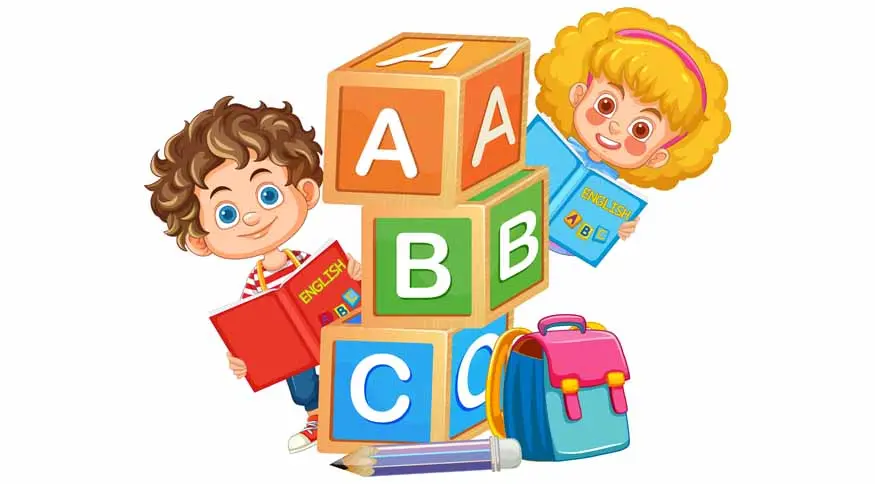
Learning to read is one of the most exciting milestones in a child’s early years, and CVC words form the very first stepping stone on that journey. For children in preschool, kindergarten, and Grade 1, CVC words act as the bridge between recognising individual letter sounds and reading complete words with confidence. Parents and teachers across India are increasingly focusing on phonics-based learning, and CVC words sit right at the heart of this approach.
This guide offers a complete CVC words list for kids, along with easy-to-use teaching strategies, classroom-friendly activities, and simple tips for home practice.
What Are CVC Words?
CVC stands for Consonant-Vowel-Consonant. These are three-letter words that follow a simple pattern where a short vowel sound is placed between two consonants. Examples include cat, dog, sun, and hat.
CVC words are usually the first set of words children learn to decode because they follow predictable phonics rules. Each letter represents a single sound, making them easy to blend and read aloud. For a four or five-year-old, successfully reading a CVC word is often the first real “I can read” moment.
Why CVC Words Matter in Early Reading
CVC words are more than just simple three-letter words. They play a key role in building the foundation of literacy.
- They teach children how to blend sounds together.
- They introduce short vowel sounds clearly and consistently.
- They help children understand that words are made up of individual phonemes.
- They build reading fluency and decoding confidence.
- They prepare children for more complex word patterns like CCVC, CVCC, and sight words.
Most CBSE-aligned early learning programmes and NEP 2020-informed curriculums emphasise phonics and foundational literacy, making CVC practice essential in the early years.
CVC Words List for Kids by Short Vowel Sound
The easiest way to teach CVC words is to group them by the short vowel sound in the middle. This helps children focus on one vowel sound at a time before moving on to the next.
CVC Words with Short ‘a’
bat, cat, hat, mat, rat, sat, fat, pat, bag, tag, rag, wag, cap, map, nap, tap, can, fan, man, pan, ran, tan, van, bad, dad, had, mad, sad, jam, ham, dam, lap, gap
CVC Words with Short ‘e’
bed, fed, led, red, wed, beg, leg, peg, hen, pen, ten, den, men, get, jet, let, met, net, pet, set, vet, wet, bet, web, yes, egg, elf
CVC Words with Short ‘i’
big, dig, fig, jig, pig, wig, bin, fin, pin, tin, win, din, kid, lid, did, rib, bib, fib, hit, sit, pit, bit, fit, kit, lit, mix, six, fix, hip, lip, tip, rip, zip
CVC Words with Short ‘o’
box, fox, ox, cot, dot, got, hot, lot, not, pot, rot, bog, dog, fog, hog, jog, log, bob, cob, job, mob, rob, sob, mop, hop, top, cop, pop, god, nod, pod, rod
CVC Words with Short ‘u’
bun, fun, run, sun, gun, nun, bug, dug, hug, jug, mug, pug, rug, tug, cub, rub, tub, sub, cup, pup, but, cut, gut, hut, nut, jut, mud, bud, cub, bus, fuss
This gives children more than 150 CVC words grouped by vowel, ideal for daily reading practice.
Easy Teaching Sequence for CVC Words
A structured sequence makes CVC learning much smoother. A simple progression that works well at home and in classrooms is:
- Begin with short ‘a’ words.
- Move to short ‘i’ words once ‘a’ is confident.
- Introduce short ‘o’ words next.
- Follow with short ‘u’ words.
- End with short ‘e’ words, which children often find the trickiest.
Focusing on one vowel sound at a time prevents confusion and builds mastery before moving ahead.
Fun CVC Word Activities for Kids
Practice does not need to feel like study. The following activities help children learn CVC words while having fun.
1. CVC Word Slider
Create a paper slider with two consonants on the sides and a strip of vowels pulled through the middle. Children slide the strip to form new words like cat, cot, cut.
2. Picture and Word Matching
Print pictures of CVC objects and matching word cards. Children place the correct word under each picture.
3. Sound Hopscotch
Write CVC words on floor tiles or chalk squares. Children hop from square to square, reading each word aloud.
4. Missing Letter Game
Write CVC words with one letter missing, such as c_t or b_g. Children guess the missing letter.
5. Roll and Read
Use a dice with CVC words on each face. Children roll and read whichever word lands on top.
6. CVC Word Treasure Hunt
Hide word cards around the room. Each time a child finds one, they read it aloud to “unlock” the next clue.
These activities work well both at home and in early years classrooms.
Tips for Parents Teaching CVC Words at Home
Parents play a huge role in reinforcing classroom learning. A few simple tips can make home practice enjoyable and effective.
- Keep sessions short. Ten to fifteen minutes a day is more effective than long study sessions.
- Use real objects whenever possible. Show a cup when teaching the word cup.
- Encourage sounding out rather than guessing.
- Celebrate small wins to build confidence.
- Read simple phonics storybooks together.
- Make it a game rather than a task.
Consistency matters more than speed. Children absorb phonics naturally when practice is regular and positive.
Common Mistakes to Avoid
When teaching CVC words, a few mistakes can slow down progress. Being aware of them helps parents and teachers guide children better.
- Teaching too many vowels at once.
- Rushing to sight words before CVC mastery.
- Using uppercase letters instead of lowercase, which are used more frequently in reading.
- Correcting children harshly when they make mistakes.
- Skipping blending practice.
A patient, step-by-step approach builds stronger readers in the long run.
Moving Beyond CVC Words
Once children are confident with CVC words, the next natural step is to move on to slightly more complex patterns. These include:
- CCVC words like stop, flag, and plum.
- CVCC words like jump, lamp, and milk.
- Digraphs like sh, ch, th, and ck.
- Simple sight words like the, and, is, and was.
- Short phonics-based sentences and early readers.
Progressing gradually ensures that each new skill builds on a strong foundation.
Final Thoughts
CVC words are the first step toward independent reading, and they open up a world of possibilities for young learners. With a well-structured word list, playful activities, and consistent practice, children quickly gain the confidence to read simple words on their own. Whether at school or at home, focusing on CVC words in the early years helps build lifelong reading habits.
For parents looking for a supportive early learning environment that blends structured phonics with joyful classroom experiences, choosing a school that prioritises foundational literacy makes a lasting difference. At EuroSchool, early learners are introduced to phonics and CVC words through a carefully designed curriculum that combines play-based learning, interactive classroom activities, and strong teacher support. This approach helps children build confidence in reading from the very first year, setting them up for success in every stage of their learning journey.