Teaching the alphabet to kids at home is one of the most rewarding milestones in early learning. Whether your child is a toddler just beginning to babble or a preschooler getting ready for school, the right approach can make letter learning enjoyable and stress-free. The key is to keep things playful, consistent, and tailored to your child’s pace.
Here is a practical guide to help you get started.
When Should You Start Teaching the Alphabet?
Most children begin showing interest in letters between the ages of 2 and 4. However, there is no fixed rule. Some toddlers recognise letters on cereal boxes and signboards early on, while others take a bit longer to develop that curiosity.
A good starting point is to watch for these signs of readiness. Your child enjoys being read to. They point at letters or symbols and ask what they are. They try to scribble or imitate writing. They can focus on a simple activity for a few minutes at a time.
If your child shows even one or two of these signs, it is a great time to introduce the alphabet in a low-pressure way.
Start With the Alphabet Song
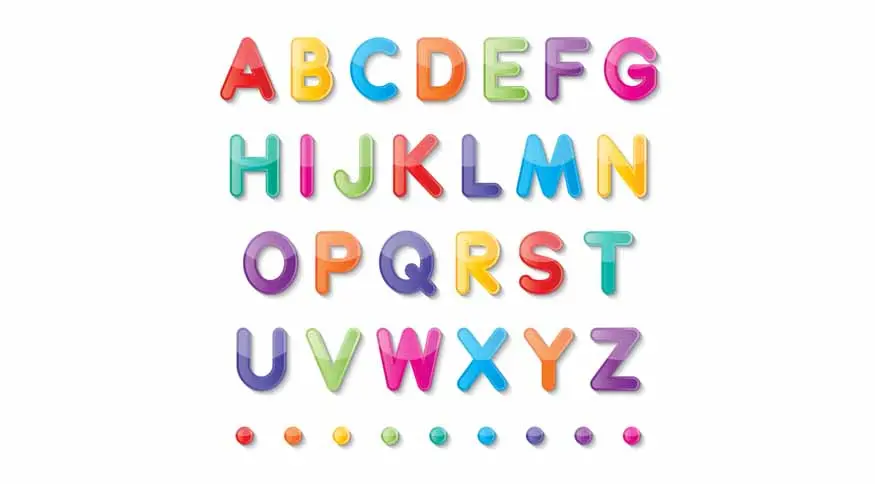
The classic ABC song remains one of the best tools for familiarising kids with the sequence of letters. Singing it daily helps children memorise letter names even before they can identify individual letters visually. Pair the song with a colourful alphabet chart on the wall so your child can follow along and start connecting sounds with shapes.
Introduce One Letter at a Time
Resist the urge to teach all 26 letters at once. Focus on one letter per week, or even longer if needed. Start with letters that are meaningful to your child, such as the first letter of their name or the names of family members. This personal connection makes the learning feel relevant and exciting.
For each letter, cover these basics: how the letter looks (uppercase and lowercase), what sound it makes, and a few words that start with that letter. For example, if you are teaching the letter B, show them the letter, say the /b/ sound, and talk about words like ball, banana, and book.
Use Multisensory Activities
Kids learn best when multiple senses are engaged. Here are some hands-on activities that make alphabet learning stick.
Tracing with fingers: Write a large letter on paper and have your child trace over it with their finger. You can also let them trace letters in sand, salt, or shaving cream spread on a tray.
Play dough letters: Roll out play dough and shape it into letters. This builds fine motor skills alongside letter recognition.
Letter hunt: Hide letter flashcards around the room and ask your child to find a specific letter. This turns learning into an adventure.
Painting and colouring: Print large outlines of letters and let your child paint or colour them. Use different materials like crayons, watercolours, or even dot markers for variety.
Building letters: Use sticks, blocks, pipe cleaners, or pasta to build letter shapes. This tactile approach helps children understand how letters are formed.
Read Aloud Every Day
Reading aloud is one of the most powerful habits you can build. It naturally exposes children to letters, words, and the sounds of language. Choose picture books with large, bold text and point to letters as you read. Alphabet-themed books are especially helpful during this stage.
Some great picks include “Chicka Chicka Boom Boom” by Bill Martin Jr., “Dr. Seuss’s ABC,” and “Eating the Alphabet” by Lois Ehlert. As you read, pause and ask your child to spot familiar letters on the page.
Leverage Technology Wisely
Educational apps and videos can be useful supplements, but they should not replace hands-on interaction. Look for apps that focus on letter recognition and phonics, and limit screen time to short, focused sessions. Channels and apps that combine animation with letter sounds tend to hold children’s attention well.
Always sit with your child during screen-based learning so you can reinforce what they see and hear.
Make It Part of Daily Life
Learning does not have to be confined to a study session. Point out letters everywhere you go. Read road signs, food labels, shop names, and book titles together. Ask your child to spot specific letters during car rides or grocery trips.
You can also label common objects around the house. Stick a card that says “DOOR” on the door, “CHAIR” on a chair, and so on. Over time, children start associating printed words with real objects, which builds both letter recognition and early reading skills.
Teach Letter Sounds Alongside Letter Names
Knowing that a letter is called “B” is important, but understanding that it makes the /b/ sound is what actually leads to reading. As you introduce each letter, always pair the name with the sound. Use phrases like, “This is the letter B. It says /b/, like in ball.”
Phonics-based learning lays the foundation for decoding words later. Many educators recommend teaching lowercase letters and their sounds early, since lowercase letters appear far more frequently in books and printed text.
Be Patient and Celebrate Progress
Every child learns at their own pace. Some may pick up letters quickly while others need more repetition. Avoid comparing your child with peers or siblings. Instead, celebrate small wins. If your child recognises a new letter at the supermarket or writes the first letter of their name, acknowledge it with enthusiasm.
Positive reinforcement goes a long way. A simple “Great job spotting that letter!” is more effective than any reward chart.
Create a Letter-of-the-Week Routine
A structured routine helps children anticipate and look forward to learning. Designate a “letter of the week” and build activities around it. On Monday, introduce the letter with a song or story. On Tuesday, do a craft project using that letter. On Wednesday, go on a letter hunt. On Thursday, practise writing it. On Friday, review with a fun game.
This kind of gentle repetition reinforces learning without making it feel repetitive or forced.
Tips for Parents
Keep sessions short. Ten to fifteen minutes is plenty for young learners. Always end on a positive note, even if the session did not go as planned. Use praise and encouragement generously. Follow your child’s lead. If they are interested in a particular letter or activity, go deeper into that instead of sticking rigidly to a plan. Mix up activities regularly to keep things fresh and engaging.
Final Thoughts
Teaching alphabets at home does not require expensive materials or a teaching degree. All it takes is a little creativity, patience, and consistency. By weaving letter learning into everyday moments and keeping things fun, you are giving your child a strong foundation for reading and writing that will serve them for years to come.
Start small, stay playful, and enjoy the journey of watching your child discover the magic of letters.
Also Read:
Age Criteria for CBSE School Admission 2026-27