Rhyming words are one of the most delightful parts of early childhood learning. From nursery rhymes and lullabies to simple picture books, children are surrounded by rhymes long before they begin formal reading. For preschool, kindergarten, and Grade 1 learners, rhyming words play a powerful role in building phonemic awareness, vocabulary, and listening skills. Parents and teachers across India use rhymes every day to make learning fun, musical, and memorable.
This guide offers a complete rhyming words list for kids, along with easy teaching ideas, engaging activities, and practical tips for home practice.
What Are Rhyming Words?
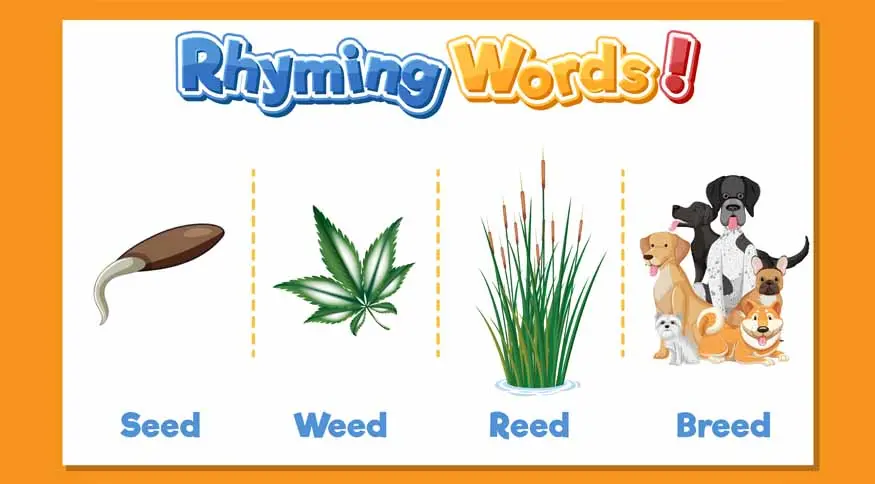
Rhyming words are words that end with the same or very similar sounds. For example, cat and hat rhyme because they both end with the ‘at’ sound. Similarly, star and car rhyme because they share the ‘ar’ sound.
Rhyming does not depend on spelling. Words can look different but still rhyme if they sound alike. For instance, blue and shoe rhyme even though their endings are spelled differently. This is an important concept for children to grasp as they grow as readers.
Why Rhyming Words Matter in Early Learning
Rhyming is much more than a fun language game. It supports several key areas of early development.
- It builds phonemic awareness, which is the ability to hear and play with sounds in words.
- It improves listening skills and attention.
- It strengthens memory, since rhymes are easier to recall.
- It expands vocabulary in a natural way.
- It prepares children for reading and spelling patterns.
- It boosts speech clarity and pronunciation.
Most CBSE early years programmes and NEP 2020-aligned foundational literacy frameworks include rhyming activities as a core part of language development in the preschool and primary years.
Rhyming Words List for Kids by Word Family
The easiest way to teach rhyming words is through word families. A word family is a group of words that share the same ending sound. Grouping rhymes this way helps children notice patterns and predict new words.
Rhyming Words with ‘at’
cat, bat, hat, mat, rat, sat, fat, pat, chat, flat, that
Rhyming Words with ‘an’
can, fan, man, pan, ran, tan, van, plan, than, began
Rhyming Words with ‘ap’
cap, map, nap, tap, lap, gap, clap, snap, trap, wrap
Rhyming Words with ‘ag’
bag, tag, rag, wag, flag, drag, brag, snag
Rhyming Words with ‘en’
hen, pen, ten, den, men, then, when
Rhyming Words with ‘et’
bet, get, jet, let, met, net, pet, set, vet, wet
Rhyming Words with ‘ed’
bed, fed, led, red, wed, shed, sled
Rhyming Words with ‘ig’
big, dig, fig, jig, pig, wig, twig
Rhyming Words with ‘in’
bin, fin, pin, tin, win, chin, grin, skin, spin, thin
Rhyming Words with ‘it’
bit, fit, hit, kit, lit, pit, sit, knit, slit, spit
Rhyming Words with ‘ip’
dip, hip, lip, rip, sip, tip, zip, chip, grip, ship, trip
Rhyming Words with ‘og’
bog, dog, fog, hog, jog, log, frog, clog
Rhyming Words with ‘op’
cop, hop, mop, pop, top, chop, drop, shop, stop
Rhyming Words with ‘ot’
cot, dot, got, hot, lot, not, pot, rot, shot, spot
Rhyming Words with ‘un’
bun, fun, run, sun, gun, nun, spun, stun
Rhyming Words with ‘ug’
bug, dug, hug, jug, mug, pug, rug, tug, plug, snug
Rhyming Words with ‘ut’
but, cut, gut, hut, nut, shut
Rhyming Words with ‘ake’
bake, cake, lake, make, rake, take, wake, snake, brake, shake
Rhyming Words with ‘ide’
hide, ride, side, tide, wide, bride, slide, pride
Rhyming Words with ‘ight’
light, night, right, sight, tight, bright, fight, might, fright
Rhyming Words with ‘ing’
king, ring, sing, wing, bring, sting, swing, thing
Rhyming Words with ‘ack’
back, pack, rack, sack, tack, black, crack, snack, track, stack
Rhyming Words with ‘ell’
bell, fell, sell, tell, well, yell, shell, smell, spell
Rhyming Words with ‘ock’
clock, lock, rock, sock, block, flock, shock, stock
Rhyming Words with ‘ay’
day, hay, may, pay, ray, say, way, play, stay, today
This gives children more than 200 rhyming words grouped by word family, perfect for daily practice.
Easy Teaching Sequence for Rhyming Words
A step-by-step approach makes rhyming easier to grasp. The following sequence works well in classrooms and at home.
- Start by listening to rhymes in nursery songs and simple poems.
- Introduce one word family at a time, such as the ‘at’ family.
- Say two words aloud and ask the child if they rhyme.
- Move on to generating rhymes with prompts like “What rhymes with cat?”
- Gradually introduce longer word families like ‘ake’, ‘ight’, and ‘ing’.
- Once children are confident, combine rhyming practice with writing and reading short sentences.
This gentle progression builds strong listening and decoding skills.
Fun Rhyming Word Activities for Kids
Children learn rhymes best through play and repetition. Here are some enjoyable activities that can be used at home and in early years classrooms.
1. Rhyme Basket
Place small objects or picture cards in a basket. Children pick one item and find another object whose name rhymes with it.
2. Clap the Rhyme
Read out pairs of words. Children clap if the words rhyme and stay silent if they do not.
3. Rhyming Memory Game
Create pairs of rhyming picture cards. Children turn them over two at a time to find matching rhyming pairs.
4. Rhyme Train
Start with one word and ask the child to add a rhyming word, then another, building a long chain.
5. Silly Rhyme Stories
Make up short, silly stories using rhyming words. For example, “A frog on a log ran into the fog.”
6. Sing-Along Rhymes
Sing familiar nursery rhymes together and pause before the rhyming word, letting the child complete it.
7. Rhyme Hunt
Pick a word of the day. Throughout the day, ask the child to spot or think of as many rhymes as possible.
These activities turn rhyming into a joyful daily habit.
Tips for Parents Teaching Rhyming Words at Home
Parents can easily reinforce rhyming at home with a few simple practices.
- Read rhyming storybooks aloud every day.
- Recite nursery rhymes during routines like bath time, meal time, or bedtime.
- Emphasise the rhyming sound while reading by stretching it slightly.
- Encourage silly, made-up rhymes, even if the words are nonsense.
- Play rhyming games during car rides or walks.
- Celebrate every attempt, even when the rhyme is not perfect.
Consistency and playfulness matter more than correctness in the early stages.
Common Mistakes to Avoid
A few small missteps can slow down rhyming progress. Being aware of them helps keep learning smooth.
- Focusing only on spelling instead of sound.
- Introducing too many word families at once.
- Correcting children harshly when they miss a rhyme.
- Skipping listening activities and jumping straight to writing.
- Limiting rhymes to classroom time rather than weaving them into daily life.
A patient, sound-first approach produces the best results.
Moving Beyond Rhyming Words
Once children are confident with rhyming, they are ready for slightly more advanced language skills. The next natural steps include:
- Alliteration, where words start with the same sound, such as silly snakes slide.
- Syllable clapping to break words into smaller sound units.
- Onset and rime awareness, which splits a word into its starting sound and ending chunk.
- Early phonics blending with CVC words.
- Simple poetry writing using familiar word families.
Each of these builds directly on the listening and sound skills developed through rhyming.
Final Thoughts
Rhyming words are a joyful and powerful part of early learning. They help children tune their ears to the sounds of language, build vocabulary, and develop the listening skills that support reading and writing for years to come. With a strong list of rhyming words, playful daily activities, and plenty of encouragement, children grow into confident speakers and eager readers.
For parents looking for a supportive early learning environment that blends playful language activities with structured foundational literacy, choosing a school that values every stage of a child’s reading journey makes a lasting difference. At EuroSchool, young learners explore rhymes, phonics, and storytelling through interactive classrooms, experienced teachers, and a curriculum designed to make early language learning both meaningful and fun. This strong start helps children develop a genuine love for reading that stays with them throughout their academic journey.
Also Read:
How to Teach the Alphabet to Kids at Home