Learning the names of flowers is one of the most enjoyable ways for children to build their English vocabulary. Flowers are everywhere, from gardens and parks to festivals and daily prayers. When kids learn to identify and name different flowers, they sharpen their observation skills, connect with nature, and expand their word bank.
This guide covers a wide range of flower names in English, grouped by category, to make learning simple and engaging for young minds.
Why Should Kids Learn Flower Names?
Understanding flower names helps children in several meaningful ways. It strengthens their vocabulary and pronunciation, builds awareness of the natural world around them, and gives them confidence in identifying plants in everyday life. Flowers also appear frequently in stories, poems, and school lessons, so familiarity with their names supports reading comprehension and creative expression.
For younger children, naming flowers can be a first step toward understanding broader concepts like seasons, colours, and ecosystems.
Common Flower Names in English
These are the flowers that children are most likely to see in gardens, homes, and neighbourhood parks across India.
Rose – One of the most well-known flowers in the world, roses come in red, white, pink, yellow, and many other colours. The red rose is a symbol of love, while the white rose represents peace.
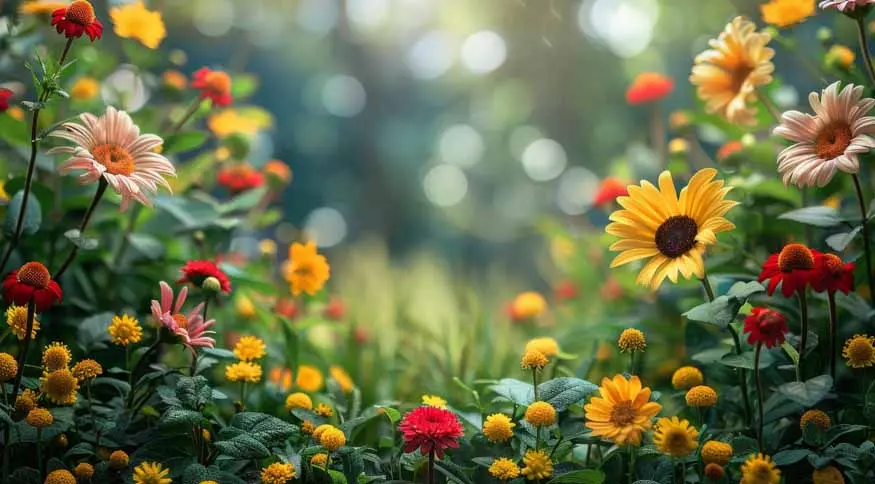
Sunflower – Named for its habit of turning toward the sun, this large yellow flower has a dark centre filled with seeds. Sunflower seeds are edible and nutritious.
Marigold – Bright orange and yellow marigold flowers are commonly used in Indian festivals, garlands, and religious ceremonies. They bloom abundantly during the monsoon season.
Lotus – The national flower of India, the lotus grows in ponds and lakes. It blooms in white and pink shades and holds deep cultural and spiritual significance.
Jasmine – Known as “mogra” in Hindi, jasmine produces small white flowers with a sweet, strong fragrance. It is widely used in garlands and hair decorations.
Hibiscus – A large, trumpet-shaped flower that appears in red, pink, orange, and yellow. Hibiscus flowers are often offered during worship and are also used to make herbal tea.
Lily – Lilies have long petals and come in white, yellow, pink, and orange. The white lily is associated with purity and grace.
Tulip – Recognised by their cup-shaped petals, tulips grow in a stunning range of colours. Originally from Central Asia, they are especially popular in the Kashmir Valley.
Daisy – A simple, cheerful flower with white petals and a yellow centre. Daisies are among the first flowers young children learn to draw and name.
Chrysanthemum – Often called “mums,” these flowers have layered petals and come in yellow, white, red, and purple. They bloom during autumn.
Seasonal Flower Names for Kids
Different flowers bloom in different seasons. Learning this connection helps children understand seasonal changes.
Flowers That Bloom in Summer
Sunflower, Bougainvillea, Plumeria (Frangipani), Zinnia, and Cosmos are popular summer-blooming flowers. These flowers thrive in warm weather and add vibrant colour to gardens during the hottest months.
Flowers That Bloom in Winter
Dahlia, Petunia, Pansy, Calendula, and Sweet Pea are winter favourites. These flowers prefer cooler temperatures and are commonly spotted in Indian gardens between November and February.
Flowers That Bloom in Monsoon
Marigold, Tuberose (Rajnigandha), Crossandra, and Rain Lily are associated with the rainy season. They love moisture and bloom beautifully when the monsoon arrives.
Exotic and Beautiful Flower Names
These flowers are less common in everyday gardens but are fascinating to learn about.
Orchid – An elegant flower found in tropical forests, orchids come in thousands of varieties and unusual shapes. They are considered one of the most diverse plant families on Earth.
Lavender – Known for its calming purple blooms and soothing scent, lavender is widely used in perfumes, soaps, and essential oils.
Cherry Blossom – Soft pink flowers that bloom on cherry trees, most famously in Japan. In Shillong and the Himalayas, cherry blossoms attract visitors every spring.
Daffodil – A bright yellow spring flower with a trumpet-shaped centre. Daffodils are one of the first flowers to bloom at the end of winter.
Iris – Named after the Greek goddess of the rainbow, irises appear in purple, blue, yellow, and white shades.
Magnolia – Large, fragrant white or pink flowers that grow on trees. Magnolias are among the oldest flowering plants in the world.
Bluebell – Delicate blue flowers that grow in clusters close to the ground. They often carpet forest floors in spring.
Poppy – A vibrant red flower with soft, paper-thin petals. Poppies are often seen as a symbol of remembrance.
Flower Names and Their Colours
Associating flowers with their colours makes it easier for kids to remember them.
Red flowers – Rose, Hibiscus, Poppy, Carnation, and Anthurium.
Yellow flowers – Sunflower, Marigold, Daffodil, Buttercup, and Dandelion.
White flowers – Jasmine, Lily, Daisy, Tuberose, and Magnolia.
Pink flowers – Lotus, Cherry Blossom, Peony, Azalea, and Bougainvillea.
Purple flowers – Lavender, Iris, Violet, Bluebell, and Morning Glory.
Orange flowers – Marigold, Crossandra, Bird of Paradise, and Lantana.
Fun Facts About Flowers for Kids
Sharing fun facts makes flower learning more memorable for children.
The world’s largest flower is the Rafflesia, which can grow up to one metre wide and is found in Southeast Asian rainforests. The smallest flowering plant is Wolffia, commonly called watermeal, which is barely visible to the naked eye.
Sunflowers can grow as tall as three metres. Vanilla, the flavouring used in ice cream and cakes, comes from the pod of an orchid plant. Saffron, one of the most expensive spices in the world, is harvested from the Crocus flower.
Some flowers bloom only at night. The Night-Blooming Jasmine (Parijat) is a well-known example in India. The Corpse Flower (Amorphophallus titanum) is famous for its terrible smell, which resembles rotting flesh, and it blooms only once every several years.
Activities to Help Kids Learn Flower Names
Parents and teachers can turn flower learning into a hands-on experience. Nature walks through gardens or parks where children identify and name the flowers they see are a great start. Drawing and colouring flower illustrations while labelling their names in English reinforces both vocabulary and fine motor skills.
Creating a scrapbook with pressed flowers or printed pictures, along with written names, makes for a lasting reference. Flashcard games where one side shows the flower picture and the other shows its name are effective for younger learners. Planting seeds at home and watching them grow into named flowers connects vocabulary to real-world experience.
How to Teach Flower Names to Young Learners
Start with the five to ten most familiar flowers that children already see around them, such as rose, sunflower, marigold, lotus, and jasmine. Use real flowers, photographs, or videos rather than relying only on text. Encourage children to describe what they see using colours, shapes, and sizes before introducing the name.
Build associations by connecting flower names to festivals (marigold and Dussehra), food (saffron from crocus, vanilla from orchid), or places (tulip and Kashmir, cherry blossom and Japan). Revisit flower names regularly through casual conversations during walks, meals, or bedtime stories.
Conclusion
Flowers are a beautiful and accessible gateway to language learning for children. From the familiar rose and marigold to the exotic orchid and cherry blossom, every flower name a child learns adds colour to their vocabulary. Encourage your child to observe, ask questions, and explore the world of flowers around them. The knowledge they build today will stay with them for years to come.
Also Read